What Your Cat Is Really Trying to Tell You (Even When They're Grumpy)
Have you ever reached out to pet your cat only to get a sudden swipe or a grumpy hiss? It feels personal, but your kitty isn't just being a jerk...

Oliver Chen
Cat Rescue Advocate
What Your Cat Is Really Trying to Tell You (Even When They're Grumpy)
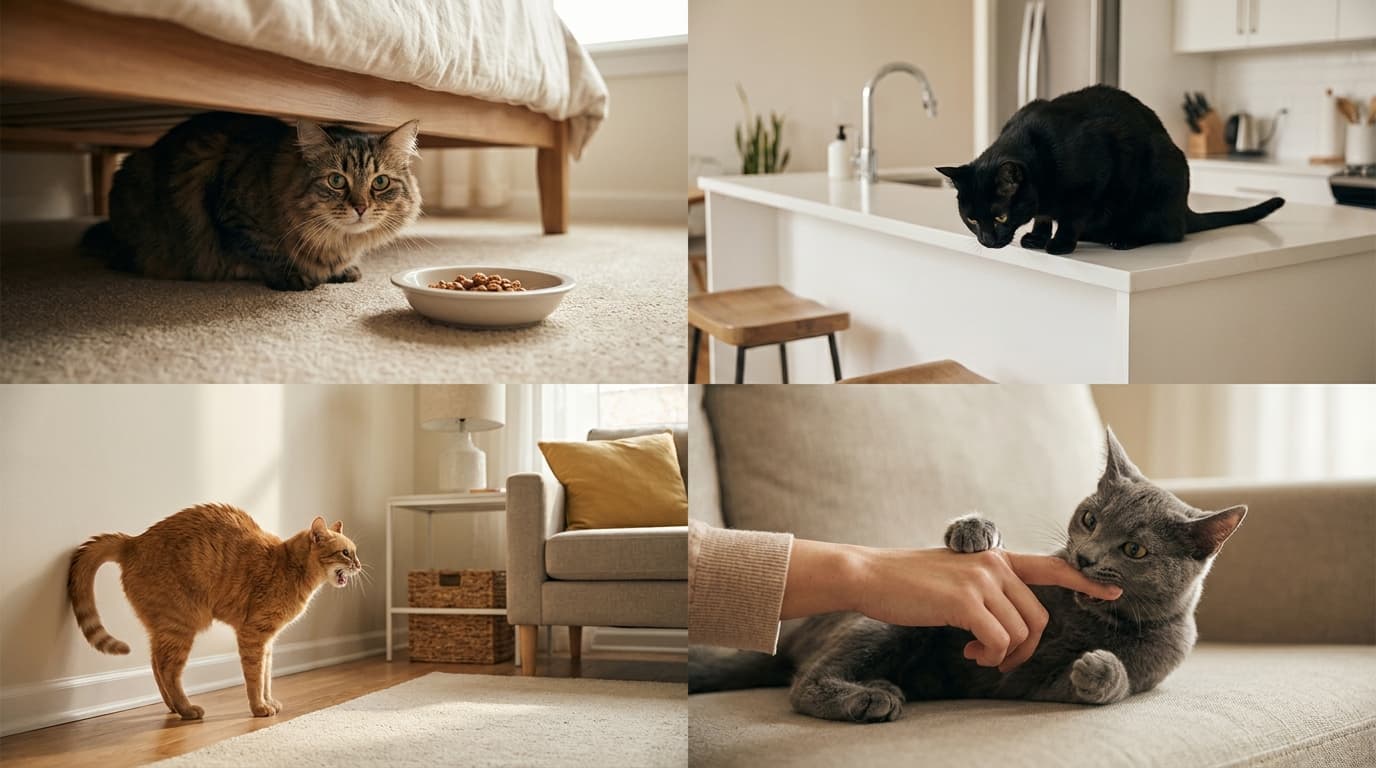
Have you ever reached out to pet your cat only to get a sudden swipe or a grumpy hiss? It feels personal, but your kitty isn't just being a jerk for no reason. Most of the time, they are trying to tell you something important in their own unique way.
Understanding feline behavior and communication is the best way to build a better bond with your pet. From recognizing feline separation anxiety in indoor cats to managing feline redirected aggression, there is usually a clear logic behind even the most confusing actions. We also look at the science behind cat chattering at birds and why it happens.
This guide covers everything you need to know about interpreting cat tail positions and training methods for cats with tortitude. You will learn how to spot stress triggers early and why cats do what they do. By the time you finish reading, you will be well on your way to becoming a true cat whisperer.
The Truth About Feline Separation Anxiety
Have you ever noticed your cat acting a bit strange as soon as you pick up your car keys? We usually think of cats as independent loners who enjoy their peace and quiet, but many indoor cats actually deal with something called Separation-Related Problems, or SRP. This is more than just a kitty missing their owner. It is a set of physical and behavioral reactions that happen when they are separated from the people they are bonded to. A scientific study from 2020 found that these issues are much more common than we used to think, especially for cats that stay inside all day.
When a cat is stressed about you leaving, they might start pacing or crying at the door. In some cases, this anxiety can lead to redirected aggression. This happens when a cat gets worked up by something they can not reach, like a bird outside the window or a stray cat in the yard, and then takes that frustration out on a housemate. It is like a snowball effect where the initial stress turns into a bigger conflict. If this happens, do not let them work it out on their own. That usually makes things worse and can lead to real injuries. Instead, give them space to calm down separately.
One way to help is by setting up a dedicated safe space. This should be a spot where your cat feels totally secure, maybe with a high shelf or a soft bed that smells like you. This lowers their baseline stress and gives them a place to retreat when the world feels a bit too big. If they have a spot they love, they might feel less vulnerable when the house gets quiet. Think of it as a home base where they can reset their emotions without feeling threatened.
But how do you know if your cat is actually anxious or just bored? It is a common question for many owners. A bored cat usually looks for trouble because they have too much energy. They might knock a glass off the table just to see it fall or shred a roll of toilet paper. An anxious cat is different. They tend to be more reactive and might shadow you constantly as you prepare to leave. They are not looking for a game. They are looking for reassurance and comfort because their routine is about to change.
The best fix for both boredom and anxiety is a solid routine. Cats find comfort in knowing exactly when they will eat and when they will play. You can also use enrichment tools like puzzle feeders or climbing trees to keep their minds busy while you are away. Giving them a job to do, like hunting for treats hidden in a toy, can shift their focus from your absence to something fun. It is all about making their environment interesting enough that being alone does not feel so scary for them.
Key insights:
- Redirected aggression can create a snowball effect where one external trigger leads to long-term fighting between pets.
- Allowing cats to work out their aggression on their own is harmful and usually leads to more injuries or fear.
- Indoor cats often get frustrated by things they see through windows, which can trigger attacks on innocent housemates.
- A predictable daily routine is one of the most effective ways to calm a nervous cat and reduce separation stress.
Is It Boredom or Anxiety?
Is your cat actually bored, or are they feeling anxious? It is often hard to tell the difference. Boredom usually leads to a cat knocking things off shelves for attention. Anxiety is more intense. It often shows up as separation-related problems, which are specific behavioral and physical reactions that happen when you are away. A study from 2020 even used scientific surveys to show how common these struggles are for indoor pets.
Sometimes the grumpiness is just redirected frustration. Imagine your cat sees a bird through the window. They chatter and get excited but cannot reach the prey. This can lead to redirected aggression minutes or even hours after the event. Because they are hyper-stimulated, they might snap at a fellow cat or even you. It is a common reason for sudden household tension. Never let them just work it out, as that usually makes the hostility worse.
You can calm a nervous kitty by sticking to a strict routine. Predictability makes them feel safe. Also, try using practical enrichment like puzzle feeders to channel that energy into something positive. If a conflict does happen and results in a bite, see a doctor right away because those infections are serious. Understanding these triggers helps you stop the snowball effect before your peaceful home turns into a battle zone.
Key insights:
- Redirected aggression can stay with a cat for hours after the initial trigger.
- Letting cats fight it out is dangerous and usually causes long-term social damage.
- Predictable daily routines are one of the most effective ways to lower feline stress.
Why Good Cats Snap: The Logic of Redirected Aggression
Have you ever been petting your cat when they suddenly hiss or swat at you for no reason? It feels personal, but it almost never is. This is often redirected aggression, a confusing behavior where a cat gets worked up by one thing but takes it out on whatever or whoever is closest. Think of it as a feline version of having a bad day at work and then snapping at your partner over a dirty dish.
This creates what experts call a snowball effect. An outside trigger, like a stray cat in the yard, gets your cat’s heart racing. Since they cannot reach the intruder, that pent-up energy has to go somewhere. Often, it lands on a housemate who just happened to walk by at the wrong time. This is how a perfectly fine relationship between two cats can turn into a long-term feud in seconds. The initial trigger might be gone, but the hostility remains.
The interesting part is that cats do not just get over it immediately. Research shows that redirected aggression can happen minutes or even hours after the thing that actually upset them is gone. They experience a physiological hangover where their adrenaline stays high. During this window, even a slight movement or a familiar scent can trigger another outburst. It is not that your cat is being mean; their body is literally telling them they are still in danger.
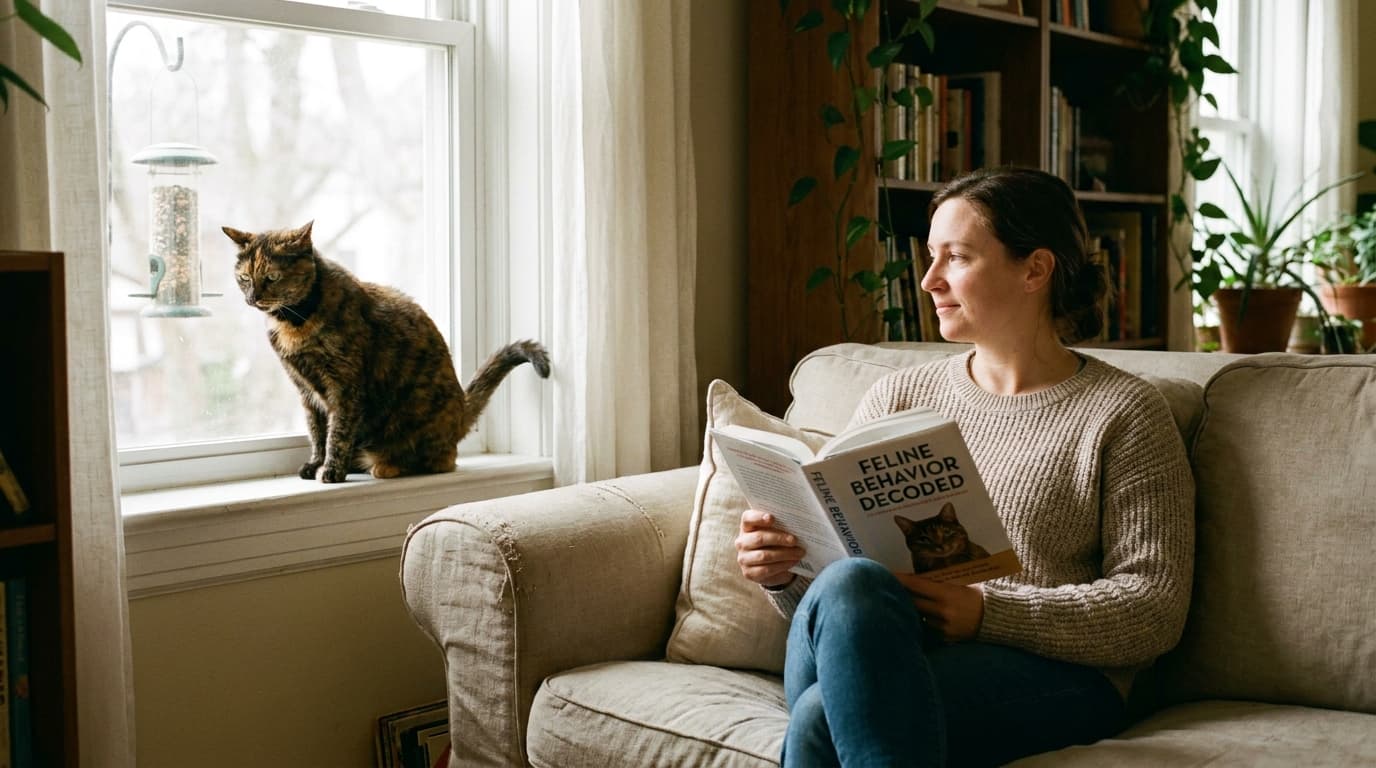
Most of this frustration starts at the window. When an indoor cat sees a bird or a squirrel through the glass, they get hyper-stimulated. They might chatter their teeth or twitch their tails, but because the glass is in the way, they cannot complete the hunt. This internal frustration is a massive trigger for redirected attacks. If this happens often, you might need to block their view of the lower half of the window using frosted film. Also, if a frustrated cat ever bites you, do not just wash it and move on. Cat bites are serious medical emergencies because of the high risk of infection, so see a doctor right away.
You might hear people say cats just need to work it out and settle their differences. That is a myth that usually makes things much worse. Forcing cats to stay in the same room when one is terrified leads to long-term trauma and can even cause a cat to stop using the litter box. Cats do not have a social structure that requires fighting it out to find peace. In fact, forced interaction usually leads to one cat continuously terrorizing the other.
The right way to handle a feline feud is immediate separation. Give them their own spaces with food, water, and a litter box. Once they are both completely calm, which might take a full day or more, you can start a slow reintroduction process. Think of it as a first date between old friends. Pushing them to interact too soon only resets the clock on their anger and keeps everyone on edge.
Key insights:
- Redirected aggression can occur hours after the initial trigger has disappeared.
- Visual barriers like window film can prevent the frustration caused by unreachable prey.
- Cat bites require immediate medical attention due to high infection risks.
- Forcing cats to 'work it out' often leads to permanent behavioral issues and fear.
The Window Trigger: When Birds Become a Problem
Ever wonder why your cat chatters at birds through the glass? It looks cute, but there is a lot of internal tension happening behind those chirps. When an indoor cat spots a bird or a squirrel they cannot reach, it creates a build-up of intense frustration. This is a common trigger for redirected aggression. Because they cannot get to the prey outside, they might turn around and lash out at the nearest person or pet instead.
This reaction is not just a quick snap that disappears. Research shows that redirected aggression can last for minutes or even hours after the bird flies away. It creates a snowball effect where one bad moment leads to long-term tension in your home. If your cat attacks a housemate because they were riled up by a bird, those two cats might start seeing each other as enemies. Letting them work it out on their own usually makes things worse and leads to more fighting.
If things get heated, do not try to get in the middle with your bare hands. Cat bites are medically serious and need a doctor's visit because of the high risk of infection. Instead, try blocking the trigger. Frosted window film is a great way to keep your view while stopping your cat from seeing things that upset them. You can also move perches away from the glass. This simple change can stop the frustration before it starts and keep your home peaceful.
Key insights:
- Redirected aggression can linger for hours after the initial trigger is gone.
- Blocking the lower half of windows with film helps reduce visual frustration.
- Never let cats work out aggression on their own as it often leads to long-term hostility.
Why 'Working It Out' Never Works
You have likely heard the old advice that cats just need to fight it out to settle their differences. It sounds like a hands-off way to let nature take its course, but in the feline world, this is a recipe for disaster. Unlike some social animals that resolve hierarchy through a quick spat, cats do not usually fix conflicts through physical combat. Instead, forcing them to stay in the same space while they are upset often turns a minor disagreement into a long-term cycle of terror. This changes everything for their relationship.
The reality is that many feline feuds start with something called redirected aggression. Imagine your cat sees a squirrel or a stray cat through the window. They get hyper-stimulated but cannot reach the intruder, so they turn that frustration toward the nearest housemate. This can happen minutes or even hours after the initial trigger. If you let them fight, the victim cat becomes a permanent symbol of fear. This creates a snowball effect where the initial outside trigger leads to continuous hostility. What started as a bird sighting turns into a house where one cat lives in constant fear of the other.
So, how do you actually de-escalate a feline feud? The first step is immediate physical separation. Do not wait for them to finish the fight. Get them into different rooms so their adrenaline can finally drop. Since cat bites are medically serious and carry a high risk of infection, keeping everyone safe is the priority. Once they are calm, you will need to start a slow reintroduction process under supervised conditions. It is also a good idea to call the vet, as sudden aggression is often a sign of hidden pain. Taking a break is not giving up; it is the only way to actually save their friendship.
Key insights:
- Redirected aggression can be triggered by seeing birds or intruders through a window.
- Forcing cats to interact during a conflict usually leads to physical injuries or litter box issues.
- Effective de-escalation requires immediate separation followed by a slow, supervised reintroduction.
The Science of the 'Ack-Ack-Ack': Why Cats Chatter at Birds
Ever watched your cat stare out the window, jaw quivering, making that weird clicking sound? It sounds like a tiny, broken telegraph. Most of us call it chattering or the 'ack-ack-ack.' While it looks adorable, it is actually a complex cocktail of hunting instinct and deep-seated frustration. Think of it as your cat revving their engine while the parking brake is firmly pulled. They see the prey, their brain tells them to strike, but the window glass says no.
Scientists have long debated what is really happening during these vocalizations. Some believe cats are mimicking the 'kill bite' used to snap a bird's neck, while others see it as pure adrenaline. But here is where it gets tricky for indoor pets. This behavior often happens when a cat is hyper-stimulated by a threat or prey they simply cannot reach. It is not just playing pretend; it can lead to redirected aggression. If your cat gets too worked up by that robin on the lawn, they might turn around and lash out at the nearest thing, which could be your other cat or even your ankles.
How can you tell if your cat is just having a bit of fun or if they are crossing into a danger zone? Watch the tail and the ears. A curious chatterer usually has a twitchy but not lashing tail. However, if you notice their fur standing up or if they seem agitated long after the bird flies away, they might be experiencing a snowball effect of stress. Redirected aggression can occur minutes or even hours after the initial trigger. If they do pick a fight with a housemate, do not let them work it out. That usually leads to more hostility and physical injury. Instead, use a slow reintroduction process once everyone has calmed down.
The reality is that these strange little noises are a window into your cat's mental state. While chattering is a natural response to seeing birds or squirrels, it is important to make sure it does not turn into long-term frustration. If your cat seems constantly stressed by the outside world, you might need to limit their window time or provide more indoor play to burn off that energy. Keeping an eye on these quirks helps you catch behavioral issues before they become serious medical problems, like infected bites or broken bonds between pets.
Key insights:
- Chattering is often a mix of predatory excitement and the frustration of being physically blocked from prey.
- Redirected aggression can cause a cat to attack a housemate or owner because they cannot reach the bird outside.
- Allowing cats to 'fight it out' after a window-triggered incident is harmful and usually escalates the conflict.
- Sudden aggressive shifts should be checked by a vet, as cats often associate physical pain with nearby individuals.
Living With 'Tortitude': Training Your Spicy Friend
Ever wonder if your tortoiseshell cat’s sass is written in her DNA or if she’s just having a day? Tortitude is a badge of honor for many owners, but the line between a big personality and genuine spicy behavior can be thin. While some swear these cats are just built differently, much of that feistiness comes down to how they process the world around them. Understanding why your cat acts out is the first step in turning that friction into a better bond. It is not about changing who they are, but learning to speak their language so you both stay happy.
Sometimes what we call an attitude problem is actually redirected aggression. Think about the science behind cat chattering at birds through the window. That tail starts twitching, and suddenly, if you pet them, they might swat. This happens because they are hyper-stimulated by a prey they cannot reach. Research shows this frustration can linger for minutes or even hours, creating a snowball effect where a cat stays agitated long after the bird is gone. It is not that they are mean; they are just biologically stuck in fight mode. If they cannot get to the bird, they might take that energy out on a housemate or even your hand.
Respecting boundaries is huge when living with a spicy friend. If you try to force a cuddle when they are overstimulated, you are asking for trouble. Instead of letting them work it out or pushing through the grumpiness, give them space. Acknowledge their signals - like that specific tail flick or skin ripple - before things escalate. Building a bond with a tortie is not about dominance. It is about being a partner they can trust not to stress them out further. When they know you respect their no, they will be much more likely to give you a yes later on.
Training an independent cat might seem like a tall order, but it is actually a great way to channel all that spicy energy. Clicker training is a game-changer here. It turns don't do that into a fun game of do this for a treat. Keep sessions short, maybe just two or three minutes, to match their focus. Use high-value rewards like tiny bits of plain chicken or their favorite lickable treat to keep them engaged. These training methods for cats with tortitude help them feel in control, which is exactly what an independent cat wants.
The most important part of training is interpreting cat tail positions and movements to know when to stop. Cats with big attitudes usually have a very clear I am done signal. It might be a subtle ear twitch, a sudden stop in purring, or a sharp thumping of the tail. If you see these, end the session immediately on a high note. By listening to them, you show that you respect their autonomy. This builds a foundation of mutual respect that makes even the grumpiest cat feel more secure and less likely to lash out.
Key insights:
- Redirected aggression can last for hours after the initial trigger, so give your cat plenty of time to cool down alone.
- Positive reinforcement works better than discipline because it builds trust rather than fear.
- Short, high-reward training sessions prevent frustration and keep independent cats interested.
- Learning to read subtle body language like skin ripples can stop a scratch before it happens.
Training Tips for Independent Cats
Have you ever noticed your cat getting a bit spicy after watching a bird through the window? This is often redirected aggression. Frustration from prey they cannot reach turns into a swipe at your ankles or another pet. Instead of letting them stew, use clicker training to channel that energy. It gives their brain a job to do and turns a stressful moment into a game. Think of it as a mental reset button for a cat with a big personality.
When you start training, keep the sessions very short. Five minutes of high-value rewards is much better than a long session that leads to boredom. Since cat bites are medically serious and require a doctor visit, learning to read their body language is vital. If you see the tail start to lash or the ears shift back, that is your signal to stop. Respecting that boundary prevents a simple training session from turning into a long-term conflict.
The real goal here is building a bond while managing their frustration. If your cat seems suddenly grumpy, a vet visit is smart to rule out any underlying pain. For the daily sass, consistent and positive sessions help them feel more secure. You are teaching them that interacting with you is rewarding, which helps lower the risk of stress-related behaviors like separation anxiety over time.
Key insights:
- Short sessions with high-value treats prevent training from becoming a source of stress.
- Redirected aggression is a common cause of sudden grumpy behavior after a cat sees birds or intruders.
- Always respect the 'I'm done' signal to avoid accidental bites and maintain trust.
Tail Talk: A Quick Cheat Sheet for Owners
Have you ever noticed your cat tail doing a slow rhythmic dance while they stare out the window? It looks peaceful but that tail is actually a mood barometer. A high-held tail with a little curl at the top is basically a feline thumbs up. It means they are feeling confident and social. But if that tail starts lashing low and fast you should probably take a step back. That swish is a clear warning that your cat is getting hyper-stimulated or even angry.
Things get even more intense when the bottle brush appears. If your cat tail suddenly puffs up to twice its size they are not just trying to look fancy. They are terrified or feeling deeply threatened. This often happens during redirected aggression. Imagine your cat sees a stray cat or a squirrel through the glass. They get worked up but cannot reach the intruder so they might turn that frustration on you or another pet. Research shows this can happen minutes or even hours after the initial trigger. This creates a snowball effect where one bad moment leads to long-term hostility between housemates.
What does this mean for you? First never try to let your cats work it out when their tails are puffed and they are growling. Doing that usually makes things worse and can lead to serious injuries. Cat bites are no joke and require a doctor visit right away because of the high infection risk. If you see the tail lashing or the fur standing up the best move is to separate your pets immediately. Give them time to cool down in different rooms before trying a slow supervised reintroduction. Understanding these silent signals helps you stop a blow-up before it even starts.
Key insights:
- A puffed-up bottle brush tail is a sign of extreme fear or redirected frustration from an unreachable trigger like a bird outside.
- Redirected aggression can last for hours after the cat is first agitated so do not assume they are calm just because the trigger is gone.
- Never let cats fight it out because it damages their long-term bond and increases the risk of serious medical infections from bites.
Frequently Asked Questions
Conclusion
Understanding your cat is not about reading their mind, but about learning their cues. When you connect the dots between that weird chattering at the window and a sudden swipe at a housemate, you see it is not about being mean. It is just about frustration. From spotting signs of separation anxiety to respecting the spicy boundaries of a cat with tortitude, everything comes back to the same thing: your cat is trying to talk to you.
Your next move is simple. Start watching those tail positions and listening to the subtle shifts in their vocalizations. If a behavior changes overnight, a quick vet visit is always the smartest first step to rule out any hidden pain. It is about building a routine that makes them feel safe even when you are not around.
The bottom line is that a grumpy cat is usually just a cat that feels unheard. Once you start speaking their language, life at home gets a lot quieter and much more cuddly. After all, a happy cat is a cat that finally feels understood by their favorite human.
Send it to someone who should read it next.
About the author

Oliver Chen
Cat Rescue Advocate
Founder of a no-kill rescue shelter and passionate advocate for feline welfare and responsible cat adoption.
View all articles