Why Does My Cat Do That? 5 Weird Behaviors Finally Explained
Your cat isn't just being random when they act strange. They're following survival instincts and unique sensory cues. From why cats paw at water bowls before drinking to why they...

PurrScript Editorial Team
Editorial Team
Why Does My Cat Do That? 5 Weird Behaviors Finally Explained
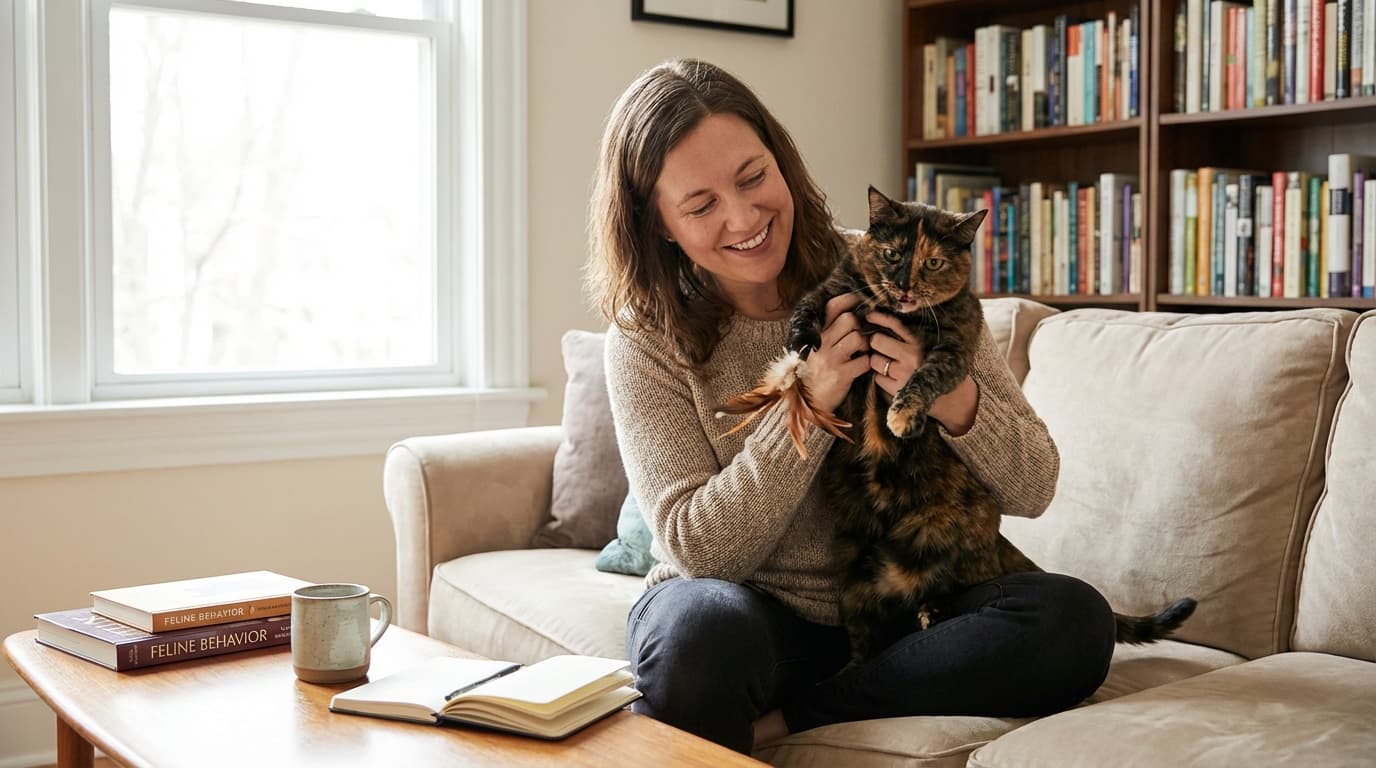
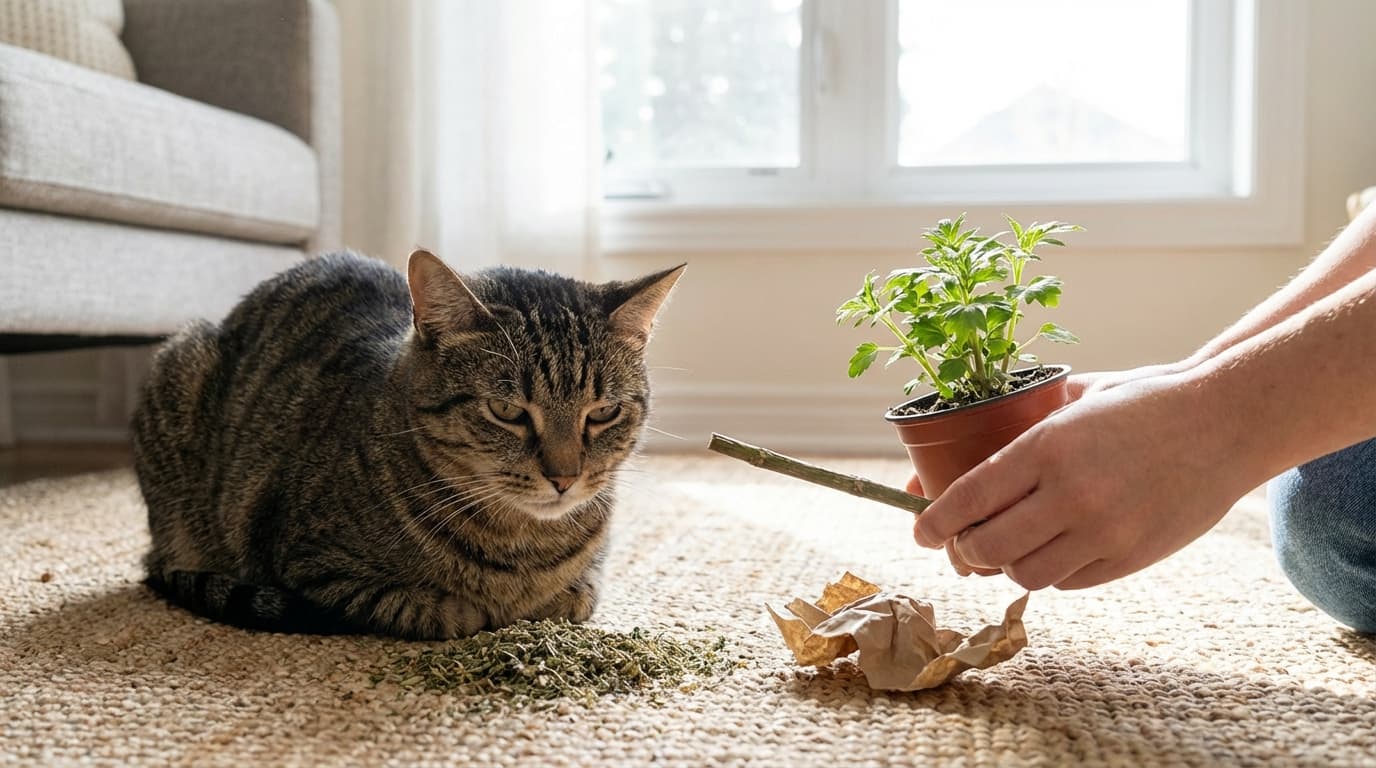
Your cat isn't just being random when they act strange. They're following survival instincts and unique sensory cues. From why cats paw at water bowls before drinking to why they sleep on your chest, these behaviors are clever ways they navigate their world.
Understanding these quirks helps you bond with your pet and spot health issues like stress early. It's about seeing the world through their eyes to keep them happy and healthy.
You'll learn the logic behind five common feline habits and when it's time to call a professional for help.
The Real Reason Your Cat Paws at the Water Bowl
Cats have amazing night vision, but they are surprisingly bad at seeing things directly under their noses. Because still water in a clear bowl is hard to spot, your cat might splash the surface just to see the ripples. It's a clever way to check the water level so they don't accidentally dunk their entire face or snort water up their nose.
Think about your cat crouching by their bowl, looking slightly baffled by the invisible surface. They might tap the water a few times, watch the light dance on the waves, and then finally take a drink. It's not just a mess-making hobby; it's their way of making sure the water is actually there and fresh enough to drink.
Sometimes the problem is more about physical comfort than vision. If a bowl is too narrow, your cat's sensitive whiskers constantly brush against the sides, which can be genuinely painful. This is called whisker fatigue, and it often explains why a cat would rather scoop water onto the floor and lick it off their paw than put their head inside the bowl.
Key insights:
- Switch to a wide, shallow bowl to give whiskers plenty of room to move.
- Try a cat water fountain to provide the moving water they instinctively crave.
- Use a service like Connect with a Vet for a free live chat if you're worried about your cat's hydration.
- Look for wide ceramic or stainless steel dishes to keep the water cool and accessible.
Is it 'Whisker Fatigue'?
Whisker fatigue happens when a cat's sensitive whiskers constantly brush against the sides of a narrow bowl. This overstimulation can actually be painful because those hairs are packed with nerves and sensors. It explains why a cat might seem hungry but refuses to eat unless the food is on the floor.
Imagine you set down a fresh bowl of water and your cat just stares at it. Instead of drinking, they dip a paw in and flick water onto the floor to lick it up. It looks like a messy game, but they are likely just trying to avoid the discomfort of their whiskers hitting the rim.
If you are worried about your cat's stress or eating habits, you can also get quick advice from experts. Many owners use free live chats with licensed veterinary teams to rule out other health issues like anxiety or dental pain.
Key insights:
- Switch to wide and shallow bowls to give whiskers plenty of room.
- Try using a flat plate for meals if your cat keeps pulling food out of their dish.
- Watch for changes in how they drink to see if the new bowl helps.
- Call a 24/7 expert help line if you need immediate guidance on strange behaviors.
Why Does My Cat Sleep on My Chest Every Night?
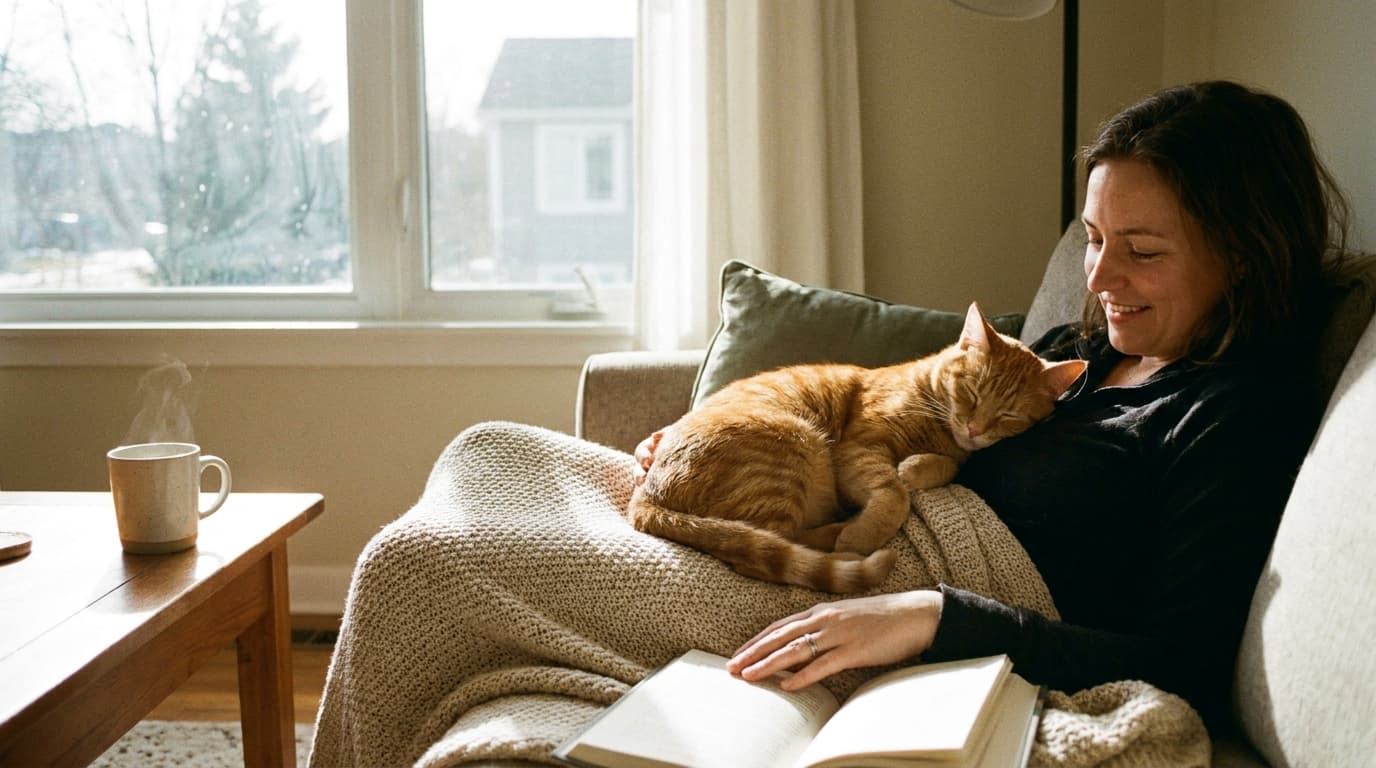
Your cat sleeps on your chest because it is essentially the best real estate in the house. It is not just about being close to you; it is about the heat. Your core is the warmest part of your body, and since cats have a higher natural body temperature than humans, they are always on the hunt for a cozy heat source. For them, your chest is a premium heated lounge chair that also happens to love them back.
Beyond the warmth, the rhythmic sound of your heartbeat and the steady rise and fall of your breath are incredibly soothing. This mimics the feeling of being a tiny kitten snuggled up with their mother and littermates. To your cat, you are not just a person. You are a giant, breathing security blanket that keeps the world away while they are in their most vulnerable state. They are simply enjoying a deep sleep while feeling totally protected.
Imagine you are finally settling into bed after a long day, and just as you start to drift off, your cat hops up and parks right on your ribcage. For a first-time owner, this can feel a bit overwhelming or even heavy. But for the cat, they have just found the safest spot in the room. They are not trying to be annoying, but they are looking for that specific heartbeat rhythm. If the weight is a bit much for you, you can try placing a plush blanket or a heated cat bed right next to your pillow to provide a similar warmth profile without the direct pressure on your chest.
If you ever feel like this behavior is coming from a place of stress rather than just love, there are ways to check. You can look into specific health segments like Anxiety and Calming Care to see if your cat needs a little extra support. Sometimes, what looks like a simple snuggle can be a sign they are looking for extra reassurance or struggling with their environment.
Key insights:
- Try providing a heated cat bed nearby to offer a similar warmth profile if the chest-sleeping becomes uncomfortable.
- Look for Anxiety and Calming Care products if your cat shows other signs of stress like overgrooming their belly.
- Use the Connect with a Vet service for a free live chat with licensed veterinary teams if behaviors change suddenly.
- Call the expert assistance line at 1-800-672-4399 if you have questions about strange behaviors at any hour.
- Check out specialized medications or calming supplements if your vet recommends them for high-stress situations.
Chattering at Birds: Frustration or Hunting Instinct?
Ever wonder why your cat starts making those weird clicking or chirping sounds when they spot a bird outside? It is not just them trying to talk back. This behavior is actually a deep-seated hunting instinct called chattering. It is an involuntary physical response where their jaw mimics the kill bite used in the wild to quickly dispatch prey.
Think of it as a mix of a hunting rehearsal and a way to vent some serious frustration. Cats are wired to chase, and when a window blocks that path, that predatory energy has to go somewhere. It vibrates right out of their mouth in that iconic rhythmic sound. It is a sign your cat is highly stimulated and fully engaged with their environment, even if they are stuck on the sofa.
Imagine your cat, Luna, perched on the back of the chair, staring intently at a fat robin hopping across the lawn. Her body is low, her tail is twitching like a windshield wiper, and suddenly her jaw starts vibrating with a distinct clicking sound. She is so focused she does not even hear you call her name. In her mind, she is already out there on the grass, but the reality of the living room window is keeping her grounded and a bit annoyed.
Because this behavior stems from a desire to hunt, it can sometimes leave your cat feeling a bit wound up. If they spend all morning chattering at birds they can't catch, they might end up with a lot of leftover adrenaline that needs a healthy outlet.
Key insights:
- Grab a wand toy immediately after a chattering session to let them finish the hunt on a toy they can actually catch.
- Look into calming solutions or anxiety care products if the window watching leads to redirected aggression toward your other pets.
- Reach out to a licensed vet team via a live chat service if the chattering seems accompanied by signs of mouth pain or unusual drooling.
- Rotate the toys you use for play to keep their predatory drive satisfied and prevent boredom-related stress.
- Provide vertical space like a cat tree near the window so they feel like they have the high ground during their visual hunt.
When Overgrooming the Belly Becomes a Cry for Help
If your cat is licking their belly until the fur is gone, they aren't just being extra clean. This behavior usually means they are dealing with physical pain or high levels of stress. It is often a reaction to things like urinary tract infections or itchy skin allergies that make them feel miserable and desperate for relief.
Imagine coming home to find your usually happy cat hiding under the bed, spending hours obsessively licking their underside. Their skin looks red and irritated, and the soft fur that used to be there is completely gone. This isn't just a quirky habit; it's a clear signal that something is wrong and they need your help to fix it.
Managing this kind of stress has become much easier with modern pet care options. You can find everything from pheromone diffusers that plug into the wall to flavored medications that taste like a treat. These tools help take the edge off when your cat feels overwhelmed by big changes like moving to a new house or the arrival of a new pet.
If you are worried, you can use a service like Connect with a Vet to chat for free with a licensed veterinary team. They can help you decide if the behavior is a medical emergency or something that can be managed with calming products. You can also call a 24/7 expert assistance line at 1-800-672-4399 for immediate advice from someone who understands feline behavior.
Key insights:
- Consult a vet through services like Connect with a Vet to rule out medical issues like infections or allergies.
- Check for Anxiety and Calming categories when shopping for supplies to find the right fit for your pet's specific needs.
- Try pheromone diffusers or flavored compounded medications to help your cat handle big transitions without stress.
- Look for signs of redness or hair loss on the belly and act quickly before the skin becomes infected.
Managing Stress with Specialized Care
Modern pet care makes it easy to handle feline anxiety without the stress of a traditional vet visit. If your cat is acting out because of a move or a new house guest, you can find targeted solutions in specific health categories like Anxiety & Calming Care. These options range from pheromone diffusers that mimic a mother cat's scent to flavored compounded medications designed specifically for picky eaters.
Imagine you just moved into a new apartment and your cat is suddenly overgrooming their belly or hiding under the bed for hours. Instead of panicking, you can use a Connect with a Vet service to chat with a licensed professional right from your phone. They can help you decide if your cat needs a temporary calming supplement or a flavored treat to help them settle into their new home.
It is also helpful to know that expert help is available around the clock. Whether you are dealing with a midnight health scare or just need advice on the best dewormer, having a direct line to pros makes a huge difference in how you manage your pet's well-being.
Key insights:
- Look for the Anxiety & Calming category when shopping for behavioral supplies.
- Try a free live chat with a veterinary team to get quick answers about strange behaviors.
- Call 1-800-672-4399 for expert assistance at any hour of the day.
- Ask about flavored compounded medications if your cat is difficult to pill.
- Check for specialized pharmacy services for flea, tick, and parasiticides.
The Truth About Cats Knocking Things Off Tables
Cats knock things off tables because of a mix of instinct and intelligence. Part of it is their predatory drive where they nudge an object to see if it is alive or if it will scurry away like prey. But more often than not, it is just a clever trick to get your attention because they know a crashing glass gets a much faster reaction than a quiet meow.
If your cat seems extra restless or destructive, it might be a sign of boredom or stress. Modern pet care platforms now categorize these issues under Anxiety and Calming Care because a bored cat is usually a mischievous cat. If the behavior becomes a constant problem, you can even use services like Connect with a Vet to chat with professionals about whether your cat needs more mental stimulation or specialized help.
Imagine you are finally sitting down to relax and scrolling through your phone after a long day. Your cat hops onto the side table, locks eyes with you, and slowly - almost painfully slowly - starts pawing your favorite coaster toward the edge. They are not being mean or clumsy. They just noticed that you have not looked at them in ten minutes and they know exactly which button to push to make you jump up and engage with them.
Key insights:
- Ignore the behavior when it happens so they do not learn that crashing equals attention.
- Reward your cat with praise or treats when they are playing with their own toys instead of your stuff.
- Schedule a high-energy play session right before you know you will be busy or distracted.
- Keep fragile items in closed cabinets or use museum wax to secure loose objects on shelves.
- Reach out to an expert via a 24/7 help line if you think the behavior is caused by deep-seated anxiety.
Summary: Listening to Your Cat's Silent Language
Most of your cat's odd habits are just natural instincts playing out in your living room. While chattering at birds or pawing at water might seem strange, it is usually just their inner hunter showing through. But here is the thing: if those quirks suddenly change or your cat stops eating, it is time to pay closer attention.
Imagine you have a cat who usually loves sleeping on your chest but suddenly starts overgrooming their belly until it is bald. Instead of panicking or waiting days for a physical appointment, you can use a service like Chewy’s Connect with a Vet for a free live chat. It helps you figure out if it is just stress or something that needs a prescription right away.
Keeping a close eye on your cat's unique personality is the best way to catch health issues before they get serious. Whether it is a quick call for peace of mind or a specialized calming product, there are plenty of ways to support your pet's well-being today.
Key insights:
- Call a dedicated help line like 1-800-672-4399 for quick expert advice when you are worried.
- Watch for sudden shifts in grooming or eating habits that break your cat's normal routine.
- Use telehealth chats to get immediate validation before heading to an emergency clinic.
- Check for specialized health categories like Anxiety & Calming Care if your cat seems extra stressed.
Frequently Asked Questions
It is usually just a burst of pent-up energy. Since cats are naturally more active at dawn and dusk, they often have all this extra fuel to burn right when you are trying to wind down. It is their way of staying sharp and getting some much-needed exercise after a long day of napping.
But here is the thing: sometimes these wild runs can be a sign of boredom or even stress. If you notice your cat doing other odd things like overgrooming their belly or pawing at their water bowl, it might be worth looking into some calming solutions. You can actually chat for free with a licensed vet team through services like Connect with a Vet to see if it is just a case of the midnight crazies or something that needs a bit more attention.
Yes, it is completely normal and actually a bit of a compliment. In the wild, cats bring prey back to their family to teach them how to eat or to make sure everyone stays fed. Since your cat likely sees you as part of their inner circle, they are just looking out for you by sharing their latest catch.
It is one of those strange behaviors that really shows the bond you have. If you ever feel confused by your cat's quirks, you can always call a dedicated help line like the one Chewy offers at 1-800-672-4399. They have experts available 24/7 to help you figure out what your cat is trying to tell you with these little presents.
It usually comes down to the volume and the body language. When cats are just playing, they tend to be pretty quiet, even if they're tumbling around like tiny wrestlers. You'll see their ears pointing forward and their claws stayed mostly tucked in during those playful 'bunny kicks.'
But if you hear real growling, hissing, or see ears flattened back against the head, things have probably crossed the line into aggression. If you're ever unsure or things seem to be escalating, you can actually use services like Connect with a Vet to chat with a professional for free. It's a great way to get a quick gut check on whether your cat is just being feisty or if there's a deeper behavioral issue to look into.
This is one of those sweet habits that sticks around from when they were kittens. When they're nursing, they knead to help the milk flow, so as adults, they do it when they feel completely safe, cozy, and loved. It's basically a giant compliment to you and your choice in blankets.
Sometimes cats also do this to scent-mark their favorite spots since they have scent glands in their paws. If your cat seems to be kneading a lot while looking a bit stressed, it might be worth checking out some calming care options, but usually, it just means they're in a very happy head space.
Cats actually have a bit of trouble seeing things that are right under their noses, especially still water. By pawing at the surface, they create ripples that help them figure out exactly where the water starts so they don't get a wet nose by surprise.
It's also an old survival instinct. In the wild, moving water is usually cleaner than still water, so they might be trying to 'wake up' the water. If it bothers you, a pet fountain that keeps water moving can often stop the splashing.
Your cat is looking for two things: warmth and security. Your chest is like a heated pillow that also happens to have a rhythmic heartbeat, which is incredibly soothing for them. It's a sign that they trust you enough to let their guard down while they sleep.
While it's a huge sign of affection, it's also about territory. By sleeping on you, they're claiming you as their person. If the weight makes it hard to breathe, try placing a heated pet bed near your feet to give them a cozy alternative.
That weird chirping or chattering noise is a mix of pure excitement and a little bit of frustration. They see something they want to hunt, but the window is getting in the way. Some experts think they're actually mimicking the 'kill bite' they would use in the wild.
It's a totally normal instinctual response. If your cat gets really worked up, you might want to distract them with a wand toy to give them a way to release all that pent-up hunting energy.
When a cat licks their belly until the fur gets thin, it's often a sign of stress or 'psychogenic alopecia.' Just like some people bite their nails when they're nervous, cats use grooming as a way to soothe themselves. It can also be caused by skin allergies or even urinary tract issues.
Since this can be tied to health or anxiety, it's a good idea to look into specialized care categories like Urinary Tract & Kidneys or Anxiety & Calming Care. You might even want to call a 24/7 help line like the one Chewy offers at 1-800-672-4399 to see if you should head to the vet.
Most of the time, they do it because they've learned it's the fastest way to get your attention. They're also naturally curious and use their sensitive paw pads to test objects. They want to see if that pen or glass moves, rolls, or makes a fun noise when it hits the floor.
To keep your breakables safe, try to give them more interactive toys that satisfy that 'pouncing' urge. If they're doing it because they're bored, even a few extra minutes of play each day can make a big difference.
Conclusion
At the end of the day, your cat isn't just trying to be a little weirdo on purpose. Most of these strange habits, from checking the water level with a paw to using your chest as a personal mattress, come down to basic survival. When you start seeing cat behavior as a set of instincts instead of just random mischief, it changes how you bond with them. You realize they aren't just knocking things off the table to annoy you. They are actually just testing the world around them.
If you want to make life even better for your furry roommate, try making a few small changes based on what you've learned. A water fountain might stop the splashing, and a wand toy can help burn off that bird-watching energy. Just keep a close eye on any big shifts, especially things like overgrooming, which often mean it is time to check in with a vet for some expert advice.
Most of the time, these quirks are just part of the package when you live with a feline. Embrace the weirdness and enjoy the unique way your cat says they feel safe and at home with you. After all, a happy cat is usually a slightly strange one.
Send it to someone who should read it next.

PurrScript Editorial Team
Editorial Team
PurrScript's in-house editorial team. We research, write, and review every guide using established veterinary and behavioral resources, and update articles as best practices evolve.
View all articles