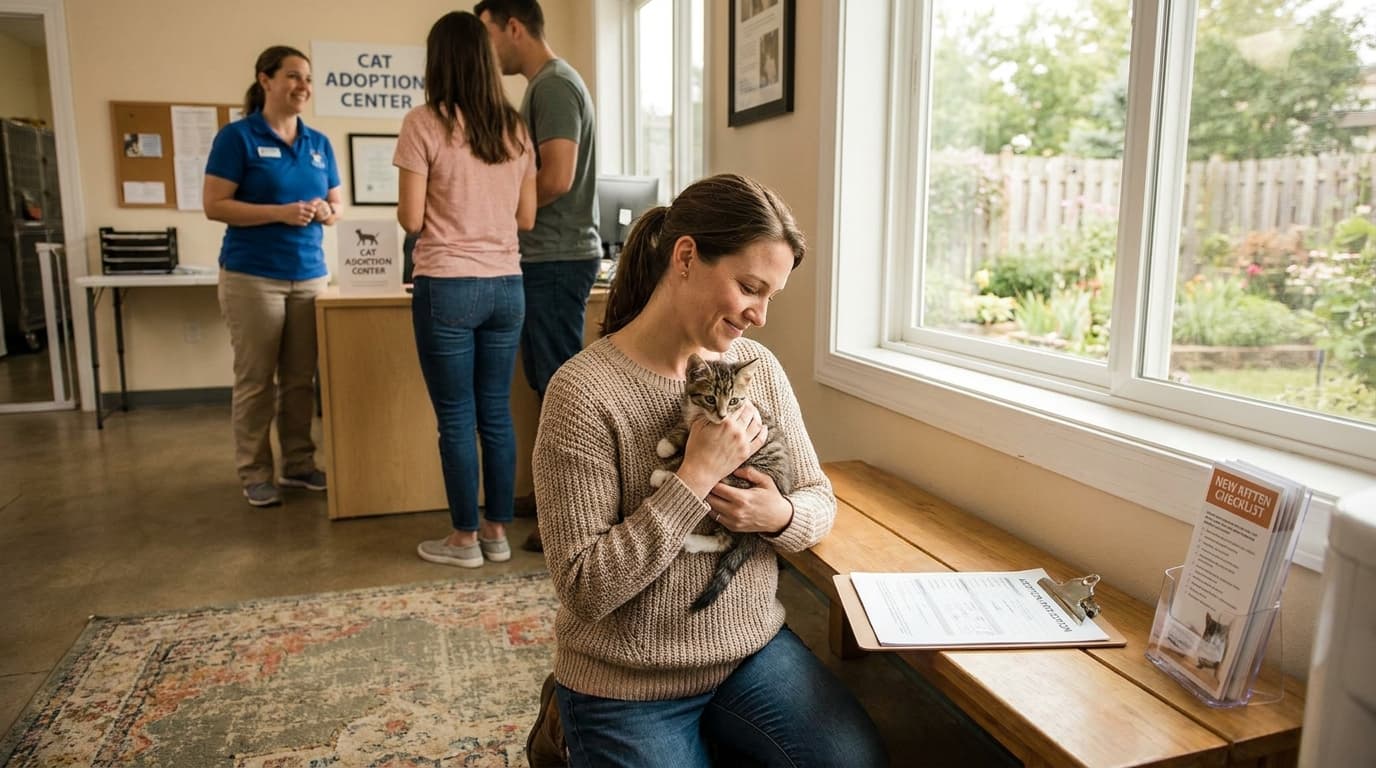
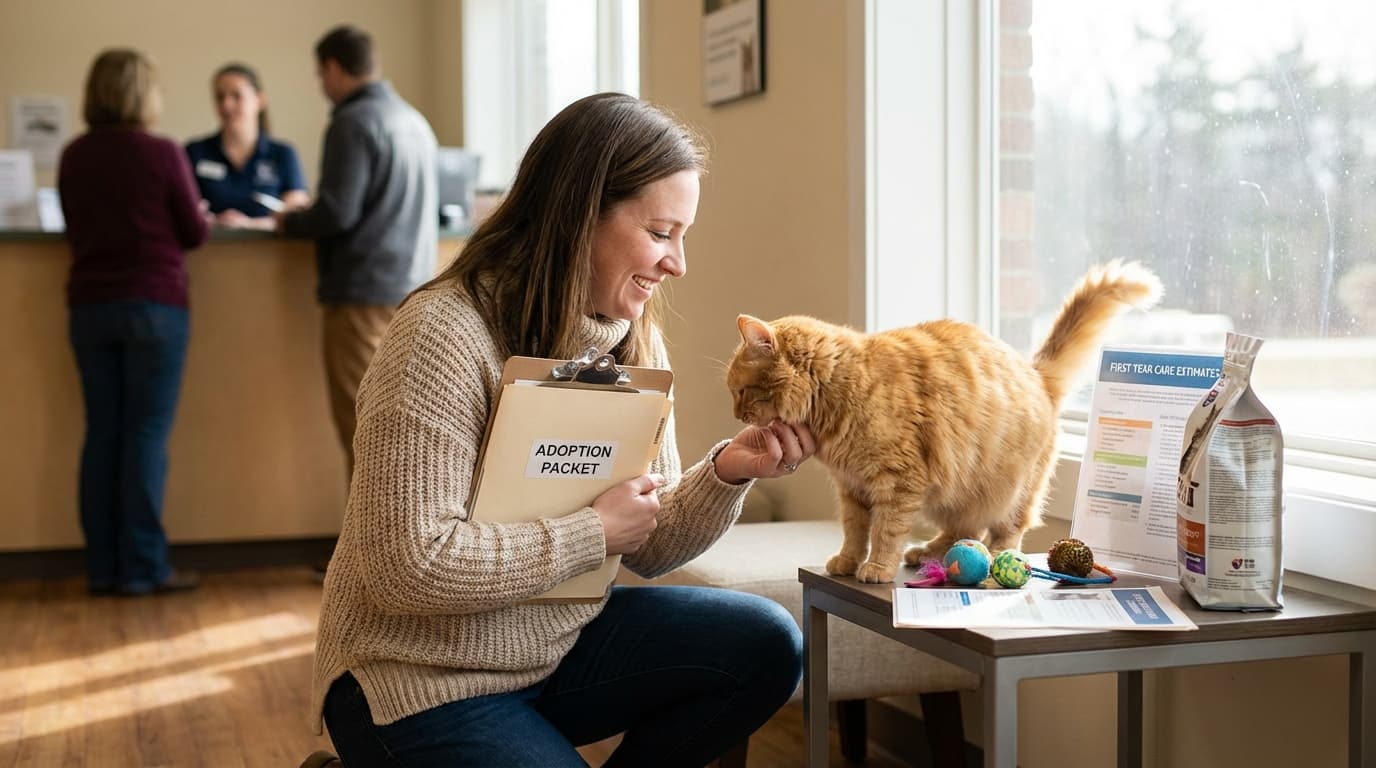
Why Fostering a Cat Is the Best Trial Run You'll Ever Take
Did you know that adopting a kitten is a potential 18-year commitment? That's a long time to promise your heart and your couch to a tiny fluffball without knowing if...

PurrScript Editorial Team
Editorial Team
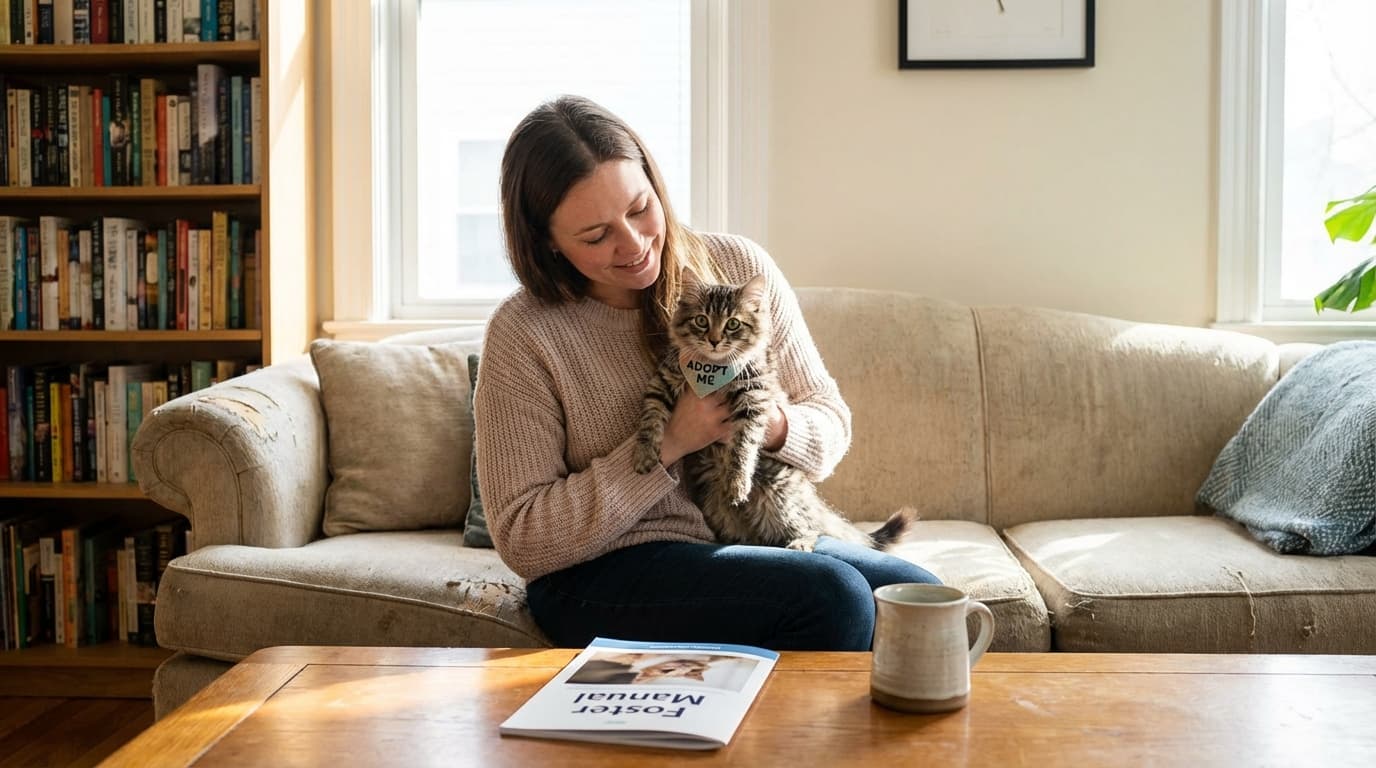
Why Fostering a Cat Is the Best Trial Run You'll Ever Take
Did you know that adopting a kitten is a potential 18-year commitment? That's a long time to promise your heart and your couch to a tiny fluffball without knowing if you're actually ready for the full-time pet life. If you've been thinking about a new companion but feel nervous about the long haul, learning how to foster a cat is the perfect way to test the waters while saving a life during the busy kitten season.
You get all the benefits of fostering before adoption, like seeing a cat's real personality outside of a cage, without the immediate pressure of a permanent choice. Whether you're interested in fostering kittens for beginners or exploring foster-to-adopt programs, it's a total win for both you and the rescue. It's the best way to develop your cat muscles before making a lifetime promise.
This guide covers everything from basic rescue cat foster requirements to the truth behind the foster failure meaning. You'll find out how to set up your home, handle medical needs, and decide if your temporary guest should become a forever family member.
The 'Kitten Season' Crisis: Why Shelters Need Your Spare Room Right Now
Imagine walking into a shelter during 'kitten season.' It sounds adorable, but for staff, it is a genuine emergency. Every spring and summer, shelters get flooded with tiny litters and desperate calls. One volunteer recalled a plea to 'please take momma and kittens, else they get put to sleep.' That is the heavy reality of overcrowding. When you open your spare room, you are not just pet-sitting. You are standing between a cat and euthanasia.
The good news? You do not need to be a cat expert to make a huge difference. While some rescues need specialized care - like a 60-day isolation period for feline leukemia or help recovering from an injury - most just need a safe space and a full bowl. Shelters like the South Suburban Humane Society even offer training to get you started. Think of it as a low-pressure trial run. You get to enjoy a pet without the immediate 14-to-18-year commitment that comes with permanent adoption.
There is also the famous 'foster fail' to consider. This happens when a temporary caregiver decides to keep their cat permanently. Even though the name sounds like a mistake, shelter staff often hope for it because it guarantees a loving home. Whether you keep them or simply provide a bridge to their next family, fostering kittens for beginners is the most direct way to save lives during the summer surge.
Key insights:
- Fostering provides a life-saving bridge for cats in overcrowded shelters during the spring and summer surges.
- You can test your compatibility with a cat without the nearly two-decade commitment of adoption.
- A 'foster fail' is actually a win for the shelter because it results in a permanent, loving home.
Fostering vs. Adopting: Testing the Waters Before the 18-Year Leap
Have you ever looked at a tiny kitten and realized that little ball of fluff is a potential 18 year commitment? That is a huge leap to take if you have never owned a pet or if your life is currently in flux. Adopting is a permanent promise, but fostering is more like a short term window into what your life could look like with a feline roommate. It is a great lifestyle compromise if you rent your home or travel often. You get to provide a safe space for a cat without worrying about where you will be in the year 2040.
This trial run is especially helpful during kitten season when shelters are overflowing and need urgent help to save lives. You might even run into the foster fail phenomenon. This is just a funny way of saying a foster parent decided to keep their cat forever. While the name sounds negative, it is actually a win for everyone. One shelter volunteer even told a new foster parent they hoped for a foster fail because it meant the cat found its perfect home right away.
There are also practical benefits to fostering before you officially adopt. You get to see a cat's true personality once they are away from the stress of a shelter cage. A cat that seems shy in a rescue might become a total lap cat in your living room. Also, fostering helps you save money on those initial medical costs since the rescue usually covers them. It gives you a chance to build your cat muscles and learn the daily rhythm of pet care before you sign the final papers.
Think of it as a way to see if your current lifestyle actually fits a cat. Some cats come from tough spots, like hoarding situations or injuries, and they need a patient human to help them heal. You might learn how to manage special needs, like a cat that needs isolation for 60 days to clear a health check. Whether you end up adopting your foster or helping them find another home, you are gaining deep insight into what it takes to be a great pet parent.
Key insights:
- Fostering provides a low pressure way to test if your home and schedule are truly ready for a pet.
- Temporary care saves lives by freeing up space in shelters during busy seasons.
- You get to learn about cat health and behavior with the financial and emotional support of a rescue group.
The Benefits of Fostering Before You Officially Adopt
Think of fostering as a low-stakes test drive for a high-stakes heart decision. Adopting a cat is a potential 18-year commitment, which is a big promise to make after just one visit to a shelter. Fostering lets you develop your 'cat muscles' - the daily rhythm of scooping litter and decoding meows - before making it official. It also lets you see a cat's true personality. Shelters are incredibly stressful environments that often hide a cat's real spark. In your living room, that 'scared' stray might actually turn out to be a world-class snuggler once they feel safe.
There is a practical side to this arrangement, too. Most rescues cover initial medical costs, which helps your budget while you learn the ropes of pet care. This support is a literal life-saver during 'kitten season' when shelters are packed and need urgent foster homes to prevent euthanasia. You might even experience a 'foster fail,' which happens when you decide to keep your guest forever. One volunteer even told a new foster parent, 'I hope he's a foster fail!' because a permanent home is the best outcome for everyone. It is the perfect way to help a cat recover while figuring out if a long-term roommate fits your lifestyle.
Key insights:
- Fostering provides a lifestyle compromise for people who love animals but cannot commit to two decades of ownership due to travel or renting.
- The 'foster fail' is a badge of honor in the rescue world, ensuring a cat never has to return to a cage.
- Taking in a foster cat during the summer 'kitten season' surge directly saves lives by freeing up space in overcrowded municipal shelters.
Getting Started: How to Foster a Cat Without the Stress
Think of fostering as the perfect middle ground for people who love animals but aren't quite ready for a twenty year commitment. It is a way to help a cat in need while seeing how a pet actually fits into your daily life. To get started, you just need to find a rescue that aligns with your home environment. You will likely go through an application and a quick home check. It sounds official, but they just want to make sure your space is safe. Some groups, like the South Suburban Humane Society, even have a training process to make sure you are comfortable before you take a cat home. This is great because it removes the guesswork and helps you focus on the animal.
Here is a secret: you do not need a massive house to be a foster hero. A spare bedroom or even a clean bathroom is often all a cat needs to feel secure during those first few days. What matters more than square footage is your schedule. You will need to be around for feedings, playtime, and the occasional vet visit. While the shelter usually provides the food and medical care, you provide the environment. Sometimes that means following specific rules, like keeping a cat isolated for sixty days if they test positive for feline leukemia. It is all about giving them the best chance to get healthy and find a family.
If you choose to foster kittens, get ready for a lot of energy and a bit of a mess. During kitten season, shelters are often overwhelmed and need foster homes immediately to save lives. Your job is to manage the zoomies and make sure your home is kitten proofed. But the real work is socialization. By playing with shy kittens, you help them become confident enough to get adopted. You might even experience a foster fail, which is just a fancy way of saying you decided to keep the cat forever. It is the only kind of failing that gets you a celebration and a new best friend.
Fostering is really a lifestyle compromise. It lets you scratch the itch of having a pet without the long term stress of moves or travel. For the cats, it is even more important. Many of them come from tough situations like hoarding or injuries, and a quiet home is where they truly heal. Whether you are helping a senior cat recover or raising a litter of fluffballs, you are giving them a second chance they would not get in a crowded shelter. It is a small investment of time that makes a massive difference for an animal waiting for their forever home.
Key insights:
- Fostering acts as a lifestyle trial for pet lovers who cannot commit to the 14 to 18 year lifespan of a cat.
- Shelters often provide most supplies and medical care, meaning the foster parent primarily provides space and time.
- A foster fail occurs when a caregiver decides to permanently adopt their foster cat, which shelters view as a success.
- Kitten season creates an urgent demand for fosters to prevent overcrowding and save lives in high intake shelters.
Basic Rescue Cat Foster Requirements
You don't need a mansion or a dedicated cat wing to save a life. Most rescue cat foster requirements are actually quite modest. If you have a spare bathroom or a small guest room that can be closed off, you’re already halfway there. This small space is perfect for helping a cat decompress after leaving a stressful shelter environment. Think of it as a low-pressure home base where they can finally relax.
Time is the other big factor. You’ll need to be around for regular feedings, playtime, and the occasional vet visit. Shelters often hit a breaking point during kitten season, so being reliable is key when those urgent calls for help come in. Some organizations, like the South Suburban Humane Society, require a quick training process before you get started. It’s the perfect way to test the waters before committing to the 14-18 years that come with permanent adoption.
Most shelters provide the basics like food and medical care, so you mainly provide the space and the affection. Along the way, you might even experience a foster fail. This just means you fell in love and decided to adopt the cat yourself. Whether you keep them or help them find a new family, you are providing the critical bridge they need to survive and thrive.
Key insights:
- Fostering is a great lifestyle compromise for pet lovers who can't commit to 15 years due to travel or renting.
- A small safe room is often better for a rescue cat's mental health than a large, open house.
- Shelter staff often view a foster fail as a massive success because it guarantees a permanent home.
Fostering Kittens for Beginners: A Survival Guide
Imagine a box of fuzzy chaos arriving at your door just as "kitten season" hits. Shelters overflow in the spring and summer, making foster homes a literal life-saver for litters that might otherwise face euthanasia. While adopting a cat is a 14-18 year commitment, fostering is a short-term whirlwind. You get the purrs and the play without the decades of responsibility. It is the perfect way to test the waters if you are not sure you are ready for a permanent pet.
Raising a litter means managing "the zoomies" and realizing your home needs serious kitten-proofing. You will find them in your shoes, behind the couch, and scaling your curtains. It is messy but rewarding, especially when you are socializing shy kittens. Turning a scared stray into a confident lap cat is the key to getting them adopted. Even if they have medical needs like FeLV - which requires isolation and a 60-day retest - you are the bridge to their recovery.
Sometimes, you might "foster fail." This is just a fancy way of saying you fell in love and kept the cat permanently. Shelters love this because it means one less animal looking for a home. Whether they stay or go, you have provided a safe space for rehabilitation for cats coming from tough situations like hoarding or neglect. It is a beautiful mess that changes their life - and probably yours, too.
Key insights:
- Fostering provides a vital service during kitten season surges to prevent shelter overcrowding.
- The process helps rehabilitate cats from difficult backgrounds like hoarding or street injuries.
- A 'foster fail' is a positive outcome where a temporary home becomes a permanent one.
The Not-So-Cuddly Side: Dealing with Medical and Behavioral Needs
Fostering isn't always about playful kittens and lap naps. Sometimes, you're the bridge between a traumatic past and a hopeful future. Whether a cat is coming from a hoarding situation or recovering from street injuries, their first few days in your home might be spent hiding under a dresser or hiss-crying at shadows. It takes a specific kind of heart to look at a 'tripod' cat - one who might have lost a limb to an accident or abuse - and see the resilient spirit underneath. The work is real, but the payoff is huge.
There’s a unique magic in watching a shy, terrified cat finally decide that you’re safe. Patience is easily the most important tool in your foster kit. You aren't just providing food; you’re teaching a living creature that the world isn't out to get them. When that former street cat finally purrs or that tripod starts jumping onto the couch with confidence, you realize you didn't just save a life - you helped rebuild one from the ground up. It's about those small, quiet wins that happen at 3:00 AM when a cat finally feels brave enough to explore.
Then there are the medical hurdles that feel like a waiting game, especially when dealing with Feline Leukemia (FeLV). If a foster cat tests positive, it isn't an immediate tragedy, but it does change your daily routine. A positive test usually triggers a 60-day isolation and retest protocol. This period is vital because some cats can actually clear the virus, and you want to be certain of their status before they find a permanent home. It's a test of your nerves as much as their health.
Managing these special needs might seem daunting, but it's often simpler than it sounds. Keeping an FeLV-positive cat separate from your own pets protects everyone while you wait for that second test. Think of it as a mandatory staycation for the cat. While the isolation requires some extra logistics, providing that stable environment during a stressful time is exactly why foster homes are so critical. You're giving them the time they need to get healthy without the constant noise and stress of a crowded shelter.
Key insights:
- Patience is the foundation of rehabilitation for cats from hoarding or abusive backgrounds.
- A 'tripod' cat's recovery offers one of the most visible and rewarding examples of feline resilience.
- The 60-day FeLV isolation protocol is a standard safety measure to confirm a cat's long-term health status.
- Special needs fostering is less about medical expertise and more about providing a consistent, low-stress environment.
Understanding the Feline Leukemia (FeLV) Waiting Game
Finding out your foster cat tested positive for Feline Leukemia (FeLV) feels like a punch to the gut. But here is the thing: a positive test isn't always the final word. It often starts what rescuers call the waiting game. Because FeLV is complex, some cats actually clear the infection on their own. This is why the standard protocol requires a 60-day isolation period followed by a retest. It is a bit of a nail-biter, but it is a vital step to see if the virus is permanent or just passing through.
Managing a cat in quarantine sounds scary, but you just need a spare room away from other pets. During these two months, you provide a safe harbor for a cat that might otherwise be overlooked due to their medical status. If the retest is negative, they are clear for adoption. If it stays positive, you already know how to care for them. Many fosters find this bond so deep they choose to keep the cat, turning a medical hurdle into a happy foster fail.
Key insights:
- A positive FeLV test in a shelter environment requires a 60-day isolation and a follow-up test to confirm the cat's long-term status.
- Isolation protocols are often manageable with a single spare room, allowing the cat to recover safely without risking other pets.
- Fostering a special needs cat often leads to a foster fail, where the temporary caregiver decides to become the permanent owner.
The 'Foster Fail' and Why Everyone Is Rooting for You to Fail
You have probably heard the term foster fail and thought it sounded like a bad thing. In most parts of life, failing is not the goal. But in the world of animal rescue? It is the one time everyone is actually cheering for you to mess up the plan. A foster fail happens when that temporary guest makes themselves so at home that you simply cannot imagine saying goodbye. Instead of finding them a new family, you decide to become the family yourself.
Why do shelter staff and volunteers get so excited when you fail? It is simple. They know the cat has already found a safe, loving environment where they fit in perfectly. One shelter volunteer even told a new foster parent, 'I know this might not be the right thing to say, but I hope he is a foster fail!' It guarantees a happy ending and takes the pressure off the rescue group. Plus, most foster-to-adopt programs give you first dibs on your guest. If you realize mid-foster that you have met your soulmate, you usually have the right to adopt them before anyone else even gets a look.
Of course, making it official is a big step. Adopting a kitten is a 14 to 18-year commitment to their health and happiness. While fostering lets you test the waters without that long-term pressure, the bond that forms during those first few weeks is often hard to ignore. Whether you are helping a cat recover from a tough street life or just giving a kitten a place to crash during the busy summer season, you are the one who sees their personality bloom. If that bond turns into a permanent stay, do not feel guilty. You did not fail the mission. You simply finished it early by giving a cat their forever home.
Key insights:
- A foster fail is a success story where a temporary caregiver becomes the permanent owner.
- Foster parents typically get priority if they decide they want to keep their foster cat.
- Shelter staff value foster fails because they provide immediate, proven stability for the animal.
Saying Goodbye: The Bittersweet Part of the Mission
Let's be real: the day your foster cat heads to their forever home is going to sting. You have spent weeks healing their scratches or helping them gain weight after coming from a tough situation, and now they are walking out the door. It feels like a breakup, but it is actually the biggest win in rescue. That sting is just proof that you did your job well.
To get through it, you need to remember that goodbye is the goal. Every time a cat leaves your spare room for a permanent home, you create space for the next one in need. During the peak of kitten season, shelters are often overflowing and facing the hard reality of euthanasia. By saying goodbye to one cat, you are literally giving another one a chance to live.
Sometimes, the bond is just too strong to break. This is what people call a foster fail, which happens when you decide to keep the cat yourself. While a fifteen year commitment is a big deal, shelter volunteers often joke that they hope you fail because it means a guaranteed happy ending. But if you can let go, you become a bridge to safety for dozens of animals over time. Think of it as a revolving door of love that never has to stop.
Key insights:
- Saying goodbye allows you to save more lives during high-pressure times like kitten season.
- A foster fail is not really a failure but a permanent commitment to a new family member.
- The goal of fostering is to be a bridge, not the final destination.
Frequently Asked Questions
A foster fail happens when you take in a cat to look after them temporarily but end up falling in love and adopting them permanently. Even though it has the word fail in it, it is actually a huge win for everyone involved. You have provided a safe spot for a cat and realized they belong with you for good.
Shelter staff usually love when this happens because it means one less animal looking for a home and one more successful match. While the goal of fostering is to help cats move on to other families, keeping one yourself is just a different way of reaching a happy ending. One shelter volunteer even told a new foster parent that they hoped the cat would be a foster fail because it means the cat found its perfect spot right away.
In most cases, you will not have to pay for medical care. Most rescue groups and shelters cover the costs for vet visits, shots, and any special treatments the cat needs while they are in your care. They know you are already giving your time and space, so they handle the financial side of health.
It is still smart to ask your specific rescue about their policy before you start. Some might ask you to use their approved vets or follow certain steps for emergencies. Also, keep in mind that things like feline leukemia tests or special surgeries for injured cats are usually managed entirely by the organization budget, not yours.
The length of a stay really depends on what the cat needs. Some placements are quite short, lasting only a couple of weeks during the busy kitten season when shelters are overcrowded and need immediate help. Other times, you might have a foster guest for a few months if they are recovering from a surgery or waiting for specific medical clearances.
Here is the thing: you are essentially a bridge to their forever home. While adopting a cat is a 14 to 18 year commitment, fostering allows you to help in much smaller windows of time. If you have a move or a trip coming up, you can usually let the shelter know so they can match you with a cat that needs a shorter stay.
You definitely can, and many experienced fosters do! Having other pets can actually be a plus because it helps the foster cat learn how to socialize in a normal house. However, you will usually need to keep them in a separate room at first to make sure everyone stays safe and healthy.
Most shelters have specific rules for this, like a 60 day isolation period for cats that need medical retesting. It is all about the slow intro. Once you get the all clear from the vet, your own pets can often help a shy foster cat come out of their shell and feel more at home.
It sounds like a negative term, but a foster fail is actually a cause for celebration. It just means a foster parent fell so much in love with their temporary guest that they decided to adopt the cat permanently. You failed at being a temporary home because you became a forever home.
Rescue groups often joke about this because it ensures the cat has a stable and loving environment. It is a very common way for people to test the waters of cat ownership and find a perfect match they might have otherwise missed.
Every group has its own rules, but most start with an application and a bit of training. For example, groups like the South Suburban Humane Society require you to go through a training process before you are added to their official list. They want to make sure you feel confident handling everything from basic care to more complex needs.
You do not need to be a medical expert, but you should be prepared for some variety. Some cats might just need a quiet place to eat and sleep, while others might be recovering from injuries. The main requirement is just having a safe space and the time to give a cat some much needed attention.
Kitten season is a time during the spring and summer when shelters are flooded with new arrivals. It can get so crowded that shelters run out of space, which is why foster homes are so vital. By taking a cat or a litter of kittens into your home, you are literally saving lives by freeing up a spot at the shelter for another animal in need.
Sometimes shelters get urgent calls to take in a mother cat and her kittens to prevent them from being put to sleep. When you step up to foster, you become part of an emergency response team that keeps these families safe until the kittens are old enough to be adopted.
Conclusion
So, what is the big takeaway? Fostering is more than just a trial run. It is a literal bridge to safety for cats who need it most. By opening your door during the busy kitten season, you get to test the waters of pet ownership without the immediate pressure of a two-decade commitment. You learn the quirks of different personalities and figure out if your lifestyle actually has room for a permanent feline friend.
Even if you face a few messy zoomies or a shy cat who takes time to warm up, the reward of seeing them thrive is worth the effort. Your next move is simple: learn how to foster a cat by checking your local rescue cat foster requirements and seeing if you have a spare room to offer. You do not need to be a professional trainer to make a massive difference.
Whether you end up with a foster fail you love forever or say a bittersweet goodbye to a cat headed for their new home, you have saved a life. Sometimes the best way to find your perfect match is simply to start by saying welcome home for a little while.
Send it to someone who should read it next.

PurrScript Editorial Team
Editorial Team
PurrScript's in-house editorial team. We research, write, and review every guide using established veterinary and behavioral resources, and update articles as best practices evolve.
View all articles