Why Two Kittens Are Actually Easier Than One (And Better for Your Sanity)
You might think bringing home one tiny ball of fur is enough of a handful, but what if I told you that getting two is actually the secret to keeping...

PurrScript Editorial Team
Editorial Team
Why Two Kittens Are Actually Easier Than One (And Better for Your Sanity)
You might think bringing home one tiny ball of fur is enough of a handful, but what if I told you that getting two is actually the secret to keeping your sanity? It sounds like twice the trouble, but most experts agree that a single kitten is really only half a kitten. When you are considering adopting sibling kittens, you are doing more than just doubling the cute factor in your living room.
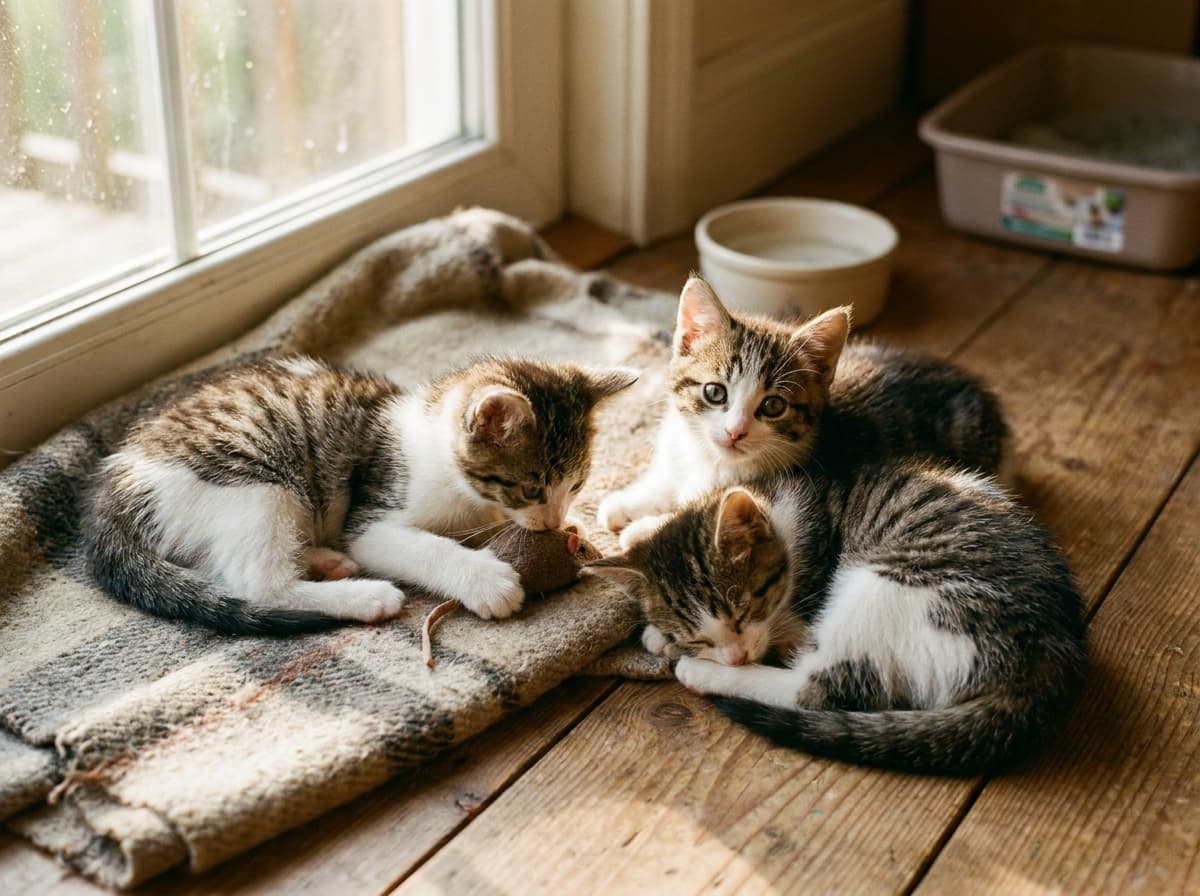
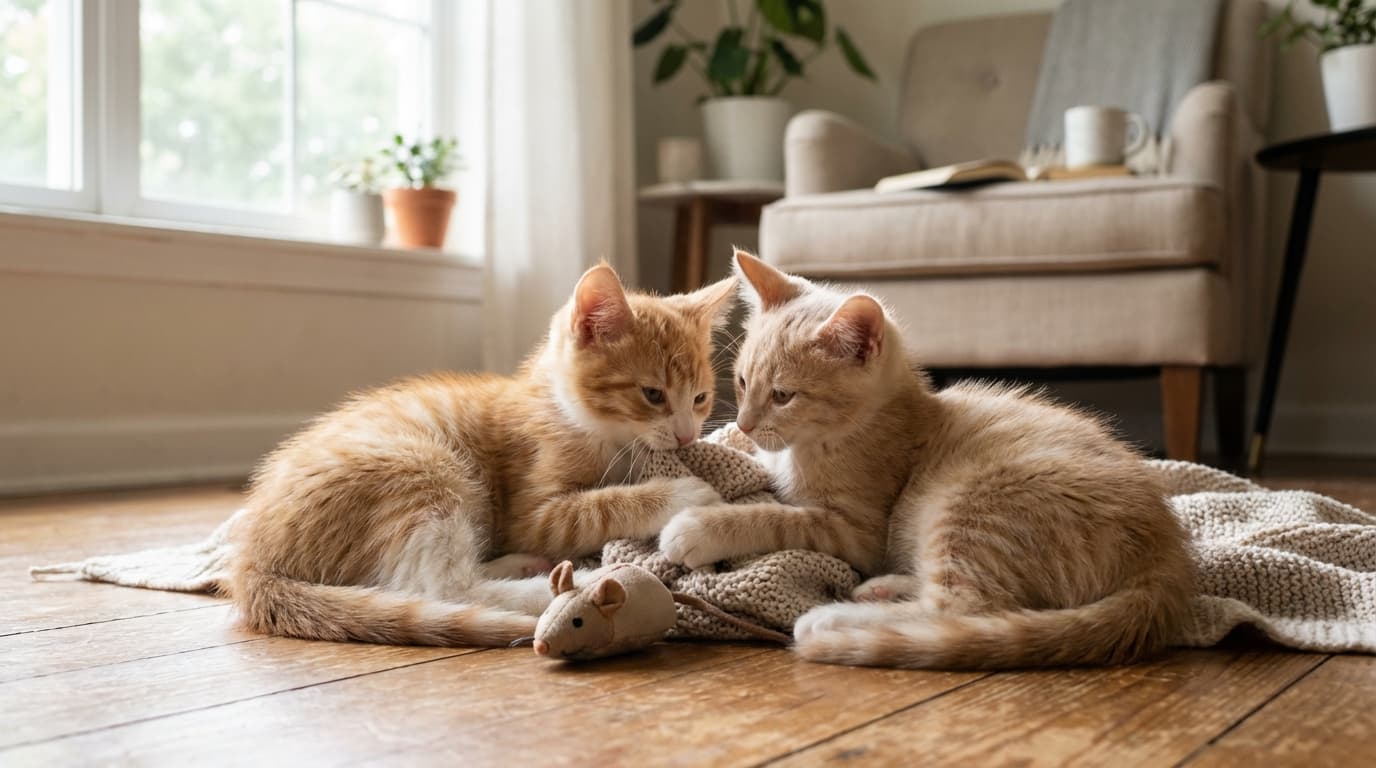
Having a pair means they have a constant playmate to burn off that endless energy. This is a huge part of kitten social development because they teach each other boundaries through wrestling and grooming. Without a friend, that energy often turns into shredded curtains or pounce attacks on your ankles while you try to sleep. A second kitten provides the stimulation that humans simply cannot match.
We are going to look at the real benefits of two kittens and share some multi-kitten household tips to make the transition easy. From preventing littermate syndrome in cats to keeping a resident older cat happy, you will see why two really is better than one. Let's jump into why your home and your peace of mind will thank you for choosing a pair.
The Secret to a Happy (and Intact) Home: Why Two Kittens Beat One
You might think starting with one kitten is the easy way to ease into pet ownership. It sounds logical, but here is the surprise: one kitten is actually much more work than two. Hannah Shaw, known as the Kitten Lady, says that one kitten is really only half a kitten. They lack the social feedback they need to grow up happy. Without a buddy, that tiny ball of fur looks to you for every second of stimulation. This often leads to shredded curtains or chewed power cords born from pure boredom.
When you bring home a pair, they handle the heavy lifting of learning for each other. They figure out how to use the litter box and groom just by watching their partner. Since they have a constant playmate, they are less likely to treat your ankles like prey. Two kittens are essentially half the work because they keep each other busy and out of trouble. This creates a peaceful home where kittens focus on each other instead of your furniture.
Key insights:
- Kittens learn vital skills like grooming and litter box use through social facilitation and mimicry.
- Adopting a pair prevents play aggression from being redirected toward human owners.
- Two kittens provide the constant stimulation required to stop destructive behaviors like climbing drapes.
The Social Science of Having a Playmate
Have you ever tried to show a kitten how to wash its own face? It is nearly impossible for a human to explain feline hygiene without looking a bit silly. This is where social facilitation comes in. Kittens are like little sponges that soak up life skills by watching their peers. When one kitten hops into the litter box or starts a grooming session, the other naturally follows suit. It is a simple case of monkey-see, monkey-do that makes your job as a pet parent much lighter.
Learning from another kitten is almost always faster than being taught by a human. They speak the same language and share the same instincts. While you might tap on a scratching post and hope they get the hint, a sibling provides a living tutorial on how to be a cat. Hannah Shaw, the Kitten Lady, famously says that one kitten is half a kitten, but two make a whole. They provide the constant stimulation that a single kitten would otherwise demand from you at all hours of the night.
There is also the vital lesson of learning cat rules through play. You likely know the sting of a tiny kitten sinking its teeth into your hand during a play session. Usually, this happens because the kitten has not learned boundaries yet. Through play wrestling, kittens give each other instant feedback. If one gets too rough, the other lets out a sharp yelp and stops the game. This peer-to-peer correction is the most effective way to prevent aggressive behavior when they grow into adults.
Without a buddy to wrestle, that natural hunting instinct has to go somewhere. A solo kitten often redirects that pouncing energy toward your moving ankles or the electrical cords under your desk. Having a friend minimizes these dangerous habits because they have a safe outlet for their wild side. By adopting a pair, you ensure they take their zoomies out on each other rather than your furniture. It is actually less work for you because they keep each other busy and well-behaved.
Key insights:
- Kittens use social facilitation to mimic hygiene and litter box habits from each other.
- Peer-to-peer feedback during wrestling is the primary way kittens learn not to bite or scratch too hard.
- Adopting two kittens reduces destructive behaviors like cord chewing and ankle pouncing by providing a social outlet for energy.
Learning 'Cat Rules' through Play Wrestling
Ever wonder why a solo kitten treats your ankles like a chew toy? It isn't because they are mean. They just haven't learned the rules yet. When kittens wrestle, they are actually in a tiny, fuzzy classroom. If one bites too hard, the other lets out a sharp yelp and stops playing. This instant feedback is how they learn that teeth and claws have limits.
Without a sibling to set these boundaries, those hunting instincts have nowhere to go but your skin. This is why solo kittens often struggle with aggression as adults. Another kitten is truly the best teacher they could have. They provide constant stimulation, which is why experts say two kittens are actually half the work of one.
This peer learning also stops boredom-driven trouble like shredded drapes or unrolled toilet paper. When they have a partner to pounce on at night, your house stays quieter and your kitten grows up much more well-adjusted. It turns out that having a buddy is the best way to ensure your cat stays friendly and your ankles stay safe.
Key insights:
- Play wrestling acts as a natural feedback loop that teaches kittens essential bite inhibition.
- Solo kittens often redirect hunting energy toward humans, leading to long-term play aggression.
- A second kitten provides the constant stimulation needed to prevent destructive behaviors like chewing cords.
Why Your Curtains Will Thank You for That Second Kitten
Ever wonder why your single kitten treats your expensive curtains like a rock-climbing wall or your phone charger like a chew toy? It is usually not because they are being naughty. They are just bored. Without a buddy to wrestle with, that pent-up energy has to go somewhere, and unfortunately, your home decor is the easiest target. When you bring home a second kitten, you are not doubling your trouble; you are actually outsourcing the entertainment. Think of it this way: a playmate provides the kind of 24/7 stimulation that no human, no matter how many feather wands they buy, can ever truly match.
Then there are the 3:00 AM "night zoomies." Kittens are naturally wired to hunt and pounce when the sun goes down. If it is just you and a solo kitten, you often become the target of those tiny claws under the covers. But with a pair, they chase each other across the floor instead of pouncing on your feet. Expert Hannah Shaw, known as the Kitten Lady, often says that one kitten is really just half a kitten, while two make a whole. They keep each other occupied during the night, so you can actually get some sleep while they burn off their extra energy together.
Beyond saving your furniture, a second kitten helps prevent "Single Kitten Syndrome" before it even starts. This happens when a kitten grows up without feline interaction and misses out on vital social lessons. Kittens learn how to be cats by watching other cats through a process called social facilitation. They figure out how to use the litter box and groom themselves simply by mimicking a peer. It is much easier for them to learn these survival and hygiene skills from a fellow feline than from a human trying to explain it. What does this mean for you? It means a cleaner, better-behaved cat in the long run.
Most importantly, kittens teach each other boundaries through wrestling. When two kittens play, they nip and pounce. If one bites too hard, the other squeaks and stops playing. This is the primary way they learn that teeth and claws hurt. Without that constant feedback from a sibling, a solo kitten often grows into an adult cat that aggressively bites or scratches its owners because it never learned limits. The reality is that two kittens are actually half the work of one. By adopting a pair, you ensure they grow up socially well-adjusted while keeping your curtains and your hands safe from a lonely hunter.
Key insights:
- Peer-to-peer play is the most effective way for kittens to learn bite inhibition and social boundaries.
- Two kittens are less work for owners because they provide each other with constant mental and physical stimulation.
- Having a companion prevents destructive behaviors like cord chewing and drape climbing that stem from boredom.
- Kittens learn essential hygiene, like grooming and litter box use, by observing and mimicking each other.
Stopping 'Single Kitten Syndrome' Before It Starts
Have you ever noticed a solo kitten suddenly pounce on your ankles or shred the curtains? That’s 'Single Kitten Syndrome' in action. Without a buddy to wrestle with, your hands and furniture become the primary targets for their energy. Experts like Hannah Shaw often say one kitten is really just half a kitten because they lack the social feedback needed to grow up well-adjusted.
When kittens grow up together, they learn essential boundaries. If one bites too hard, the other lets out a yelp, teaching restraint that humans can't mirror. They also pick up good habits like grooming through observation. It’s actually less work for you because they burn off energy together instead of unrolling toilet paper or chewing cords. You get the fun of two cats while they handle the 'parenting' themselves.
Key insights:
- Peer-to-peer play is the most effective way for kittens to learn that biting and scratching hurt.
- Two kittens are often less demanding than one because they provide each other with constant mental and physical stimulation.
The Myth of 'Twice the Work'
Most people think taking home two kittens means double the trouble, but it is actually the opposite. Think of it this way: a solo kitten is a bored kitten. When they are left to their own devices, they usually find their own fun by climbing your drapes or chewing on electrical cords. As Hannah Shaw, the Kitten Lady, famously says, 'One kitten is half a kitten. Two kittens are a whole!' By adopting a pair, you are giving them a built-in playmate to burn off that famous late-night energy.
The real magic happens in how they teach each other. Kittens use social facilitation to learn the basics, like how to use the litter box or groom themselves, just by watching their buddy. They also learn vital boundaries through wrestling. If one bites too hard, the other lets them know. Without a peer to practice with, kittens often redirect that play aggression toward your hands and ankles instead. This peer-to-peer play is the best way to ensure they grow into well-behaved adults.
There is also a huge emotional relief for you as an owner. You can head to work without that nagging guilt because you know they are not lonely. Instead of demanding your constant attention the second you walk through the door, they have spent the day stimulating each other. It is not just about keeping them busy; it is about making the transition into your home smoother because they have a familiar friend to lean on. Two kittens really are half the work of one.
Key insights:
- Kittens learn hygiene and survival skills faster by mimicking each other's behavior.
- A pair of kittens will entertain each other, preventing destructive behaviors like cord chewing.
- Wrestling with a sibling teaches kittens how to control their biting and scratching early on.
Introducing Kittens to the Rest of the Family
Thinking about adding a kitten to a home that already has a senior cat? It feels like you might be doubling the stress, but bringing home a pair is actually a secret weapon for keeping the peace. Think of it as the 'Buffer Effect.' A single kitten has a mountain of energy and no one to climb it but your older cat. That constant nagging can turn a graceful senior into a grumpy hermit. But when you have two, they become each other’s favorite toy. They’ll wrestle, chase, and tumble together, leaving your older cat to supervise from the safety of the couch.
It’s also about how they learn to be cats. Peer-to-peer play is the primary way they learn that biting and scratching hurts. When one bites too hard, the other lets out a yelp, and the lesson is learned. Without that feedback, kittens often redirect that play aggression toward your ankles or the resident cat. As the Kitten Lady, Hannah Shaw, puts it, 'Two kittens are actually half the work of one!' They provide the constant stimulation that a human - or a tired older cat - just can't keep up with.
For a smooth introduction, set the duo up in their own 'base camp' room first. This gives your senior cat time to get used to the new smells and sounds without being pounced on. Because the kittens have each other for company, they won't feel lonely or cry at the door quite as much. It makes the whole transition feel less like a hostile takeover and more like a slow, manageable change for everyone involved.
You might wonder if kittens from different litters can really get along. The answer is a big yes. While they aren't siblings by birth, they can quickly become best friends through a process called social learning. This is basically a 'monkey see, monkey do' situation. If one kitten is a pro at using the litter box or grooming, the other will watch and learn. It’s a built-in buddy system that makes your job much easier.
The main rule is to start with a short quarantine period. You want to ensure everyone is healthy and has had their vet checks before they start sharing germs or toys. Once they meet, supervise their first few play sessions. You’ll likely see them go from cautious sniffing to a full-blown wrestling match in no time. Before you know it, they’ll be grooming each other and sleeping in one big fuzzy pile, proving that family is who you choose to nap with.
Key insights:
- The 'Buffer Effect' prevents a single kitten from overwhelming or annoying an older resident cat.
- Kittens in pairs teach each other boundaries, reducing play aggression like biting and scratching.
- Social facilitation allows unrelated kittens to learn hygiene and litter box habits from one another.
- A quarantine period is essential when mixing litters to ensure the health and safety of both kittens.
What About Kittens from Different Litters?
You don't need biological siblings for a happy home. Kittens from different litters can become inseparable, but start with a "safety first" mindset. Keep them in separate rooms for a short quarantine period to ensure nobody is sharing a hidden cold or parasite. This simple step protects their health while they get used to each other's scents through the door.
Once the vet gives the okay, the real bonding starts. Kittens are sponges that learn by watching. They will teach each other how to use the litter box and that biting too hard during wrestling is a no-no. This peer play is the secret to raising a gentle cat. Soon, they will be napping together like lifelong buddies.
The Reality of Littermate Syndrome and Bonded Pairs
Ever heard the idea that cats are solitary loners who prefer to be alone? That myth is finally fading away. Modern research shows that kittens are deeply social animals who need peer interaction to grow up well-adjusted. This shift is so significant that many rescues now have mandatory pair adoption policies. They aren't just trying to find homes for more cats. They are looking out for the long-term health and behavior of the kittens.
When kittens grow up together, they use social facilitation to learn how to be a cat. They watch each other use the litter box and copy grooming habits. As expert Hannah Shaw says, one kitten is really just half a kitten, but two make a whole. They provide the constant stimulation that a human simply cannot offer. Instead of climbing your drapes or chewing on electrical cords out of boredom, they spend their energy chasing and pouncing on each other.
The most important lesson they learn is how to play nice. Through wrestling, they teach each other that biting too hard has consequences. A solo kitten doesn't get that feedback, so they often redirect that aggression toward your hands or ankles. By keeping siblings or bonded pairs together, you ensure they have a built-in teacher. It might sound like more work, but having two kittens is actually much easier on your sanity because they keep each other busy and out of trouble.
Key insights:
- Social learning helps kittens master grooming and litter box use by mimicking their peers.
- Adopting in pairs prevents destructive behaviors like chewing cords or climbing drapes caused by boredom.
- Peer-to-peer play is the most effective way for kittens to learn boundaries regarding biting and scratching.
Practical Tips for Your Multi-Kitten Household
You might think doubling kittens means doubling the chaos, but it is often the opposite. Since they keep each other busy, you are no longer their only source of entertainment. This is a huge relief for your curtains and electrical cords, which usually become targets for a bored, solo kitten. Think of it this way: two kittens are a whole, while one is often just looking for trouble. They will spend their nights pouncing on each other instead of your toes. They even help each other learn the ropes. If one kitten sees the other using the litter box or grooming, they often copy that behavior through a process called social facilitation.
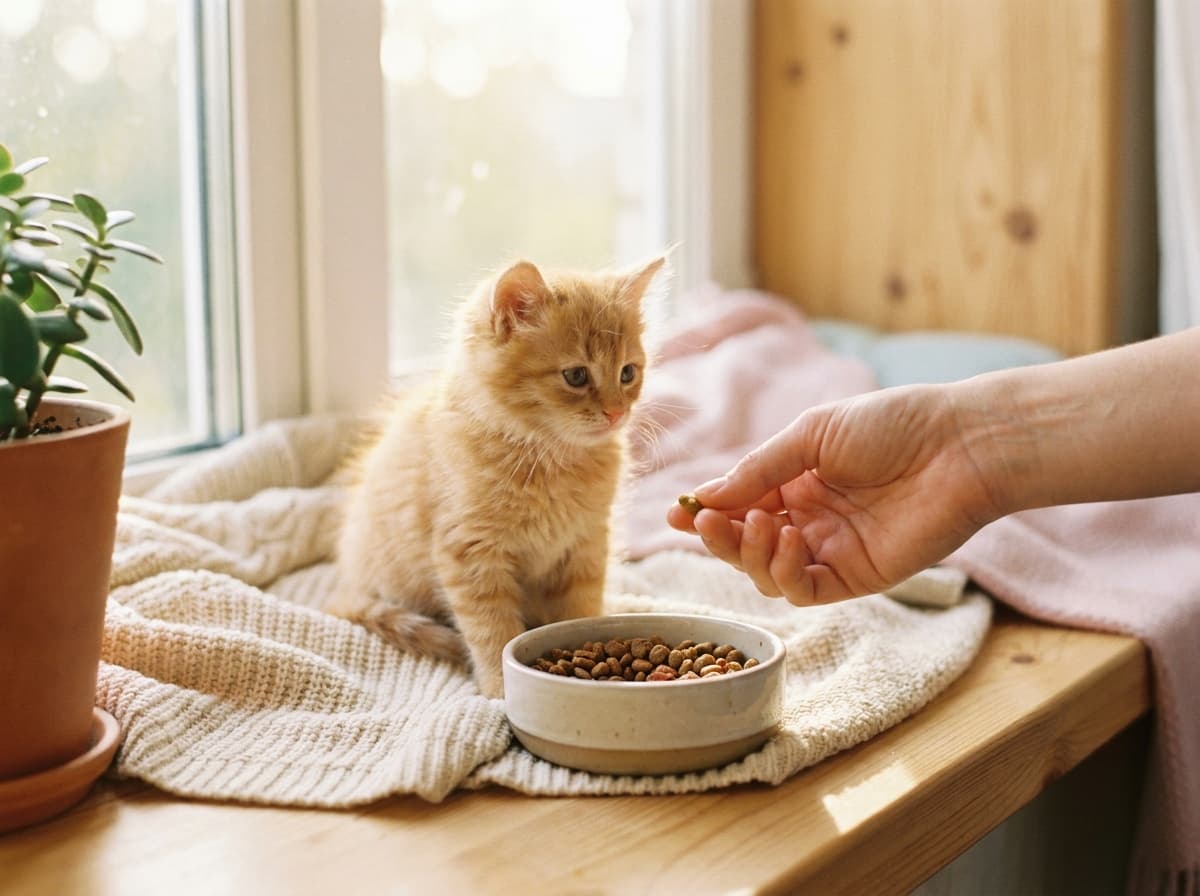
To keep things running smoothly, follow the 'N+1' rule for litter boxes. For two kittens, that means having three boxes. It sounds like a lot, but it prevents territorial stress before it starts. The same logic applies to dinner. Even though they are best friends, feeding them in separate bowls stops them from feeling like they have to race for food. You want them to feel secure rather than competitive over shared resources. This simple step keeps mealtime calm and ensures every kitten gets their fair share of nutrients without the stress of a playground scuffle.
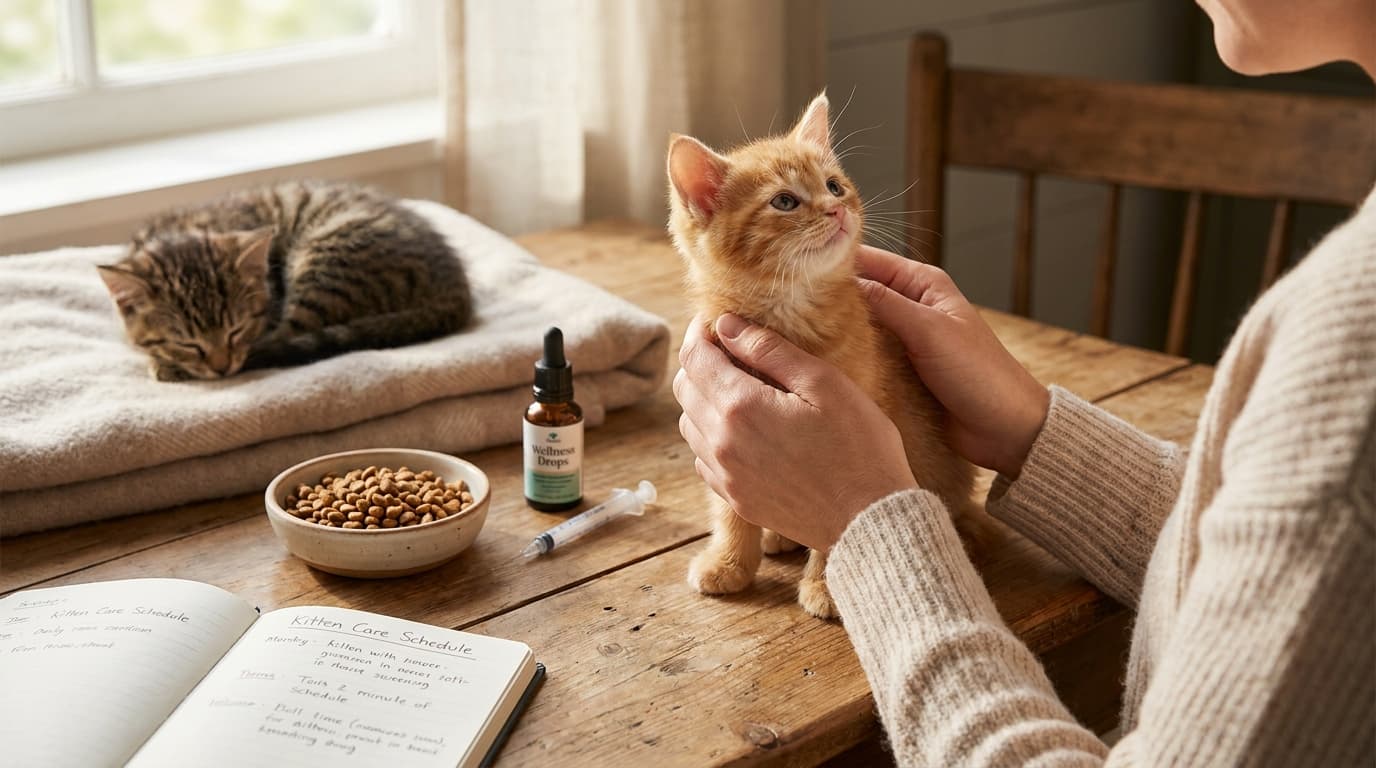
Also, remember they still need you. It is easy to just watch them wrestle, but try to carve out ten minutes of one-on-one time with each kitten daily. This individual 'human time' builds a unique bond with each personality. While they teach each other boundaries during play, like how hard is too hard to bite, you are the one teaching them that humans are for cuddles and trust. It is the secret to a happy, balanced home where everyone feels included and loved. What does this mean for you? A lot less stress and a lot more purring.
Key insights:
- Social learning through observation makes habits like grooming and litter box use much easier to teach.
- The 'N+1' rule for litter boxes is essential to prevent territorial behavior in multi-cat homes.
- Individual bonding time ensures that kittens grow up to be well-socialized with humans, not just each other.
Making the Leap: Is a Pair Right for You?
Is a pair right for you? Think of it this way. One kitten is really just half a kitten, but two make a whole. Adopting sibling kittens or a bonded pair is a total win for everyone. You get twice the love, and they get a constant companion to help them grow up.
Believe it or not, two kittens are often half the work of one. They keep each other busy, which means they are less likely to get bored and start chewing your cords or unrolling the toilet paper. They also learn essential skills like grooming and using the litter box just by watching each other. It is a natural social development process that makes your life much easier.
Next time you visit a shelter, look for those bonded pairs. Investing in two kittens now means a happier and more confident adult cat later. It is the best way to protect your sanity while giving two animals a great life.
Key insights:
- Two kittens provide the constant stimulation a single kitten would otherwise demand from a human owner.
- Peer observation helps kittens learn litter box habits and grooming skills much faster.
- Adopting a pair prevents destructive behaviors like chewing electrical cords or climbing drapes caused by boredom.
Frequently Asked Questions
You might think two kittens means double the price, but it is not that simple. While you will definitely spend more on food and vet bills, having a pair can actually save you money on home repairs. Bored solo kittens often turn to destructive behaviors like chewing on expensive electrical cords or shredding your curtains.
Think of it as an investment in your sanity and your furniture. Because they keep each other busy and entertained, you will not have to deal with the fallout of a lonely, frustrated pet. Experts like the Kitten Lady often say that two kittens are actually half the work of one because they provide the constant stimulation a human just cannot give.
It is a smart move to get a second kitten sooner rather than later. Kittens go through a huge social development phase where they learn how to be a cat from their peers. If your kitten grows up with a buddy, they are much less likely to develop bad habits like play biting or scratching people.
When they play together, they learn exactly how hard is too hard to bite through play wrestling. If you wait until your current kitten is an adult, introducing a new friend can get a bit more complicated. Just make sure to follow a basic introduction protocol, like a short quarantine and supervised play dates, to help them become best friends.
Actually, it is usually the opposite. While they definitely love having a buddy to wrestle with, having a friend makes them more well adjusted overall. Since they can get their zoomies out with each other, they are often calmer and more ready for snuggles when you are around.
You will not be replaced. You will just have two happy cats instead of one lonely and bored one. It is much easier to bond with a kitten that is not constantly trying to hunt your feet for entertainment because they have a peer to play with.
You will know they are bonded when they start acting like a true team. Look for things like grooming each other's heads or always sleeping in a tangled heap even when there is plenty of space to spread out.
If one kitten heads to another room and the other follows just to see what is happening, that is a strong sign. They also tend to copy each other's behaviors through social facilitation. This just means if one figures out how to use a new toy or the litter box, the other will likely jump right in and do the same thing.
It sounds like a trick, but it is true. Two kittens are often considered half the work of a single kitten. When a kitten is alone, they look to you for all of their play and social needs, which can be exhausting.
With a pair, they provide each other with constant stimulation. They will play together at night while you sleep and teach each other that biting too hard actually hurts. This prevents a lot of the destructive behaviors, like chewing cords or climbing curtains, that bored solo kittens often pick up.
Yes, absolutely. Kittens from different litters can become best friends just as easily as siblings. They do not have to be related to form a deep bond.
The key is to follow a safe introduction process. You should start with a short quarantine period to make sure everyone is healthy and then move to a gradual introduction. Because kittens are so social at this age, they usually accept a new friend much faster than an adult cat would.
It helps a lot. Solo kittens often get into trouble because they are bored and looking for a way to use their hunting instincts. This is when you see them unrolling toilet paper or climbing the drapes.
When they have a sibling or a buddy, they direct that energy toward each other. They would much rather pounce on a friend than your expensive electronics. It is a natural way to keep their environment safe while letting them act like the active little predators they are.
Conclusion
So, what is the real takeaway here? Choosing to bring home two kittens instead of one isn't about doubling your workload; it is about giving your new pets the social foundation they need to thrive. When kittens have a playmate to wrestle with and groom, they learn those essential cat rules naturally, which means fewer nibbled ankles and shredded curtains for you. It turns out that a multi-kitten household is often the most peaceful way to live.
The bottom line is that while you might scoop a little more litter, you gain a lot more sanity. Adopting sibling kittens or a bonded pair prevents the boredom that leads to destructive behavior and ensures your cats have a constant companion when you are away at work. It is a long-term investment in their mental health and the safety of your living room furniture.
If you are ready to add some whiskers to your life, your next move is to visit a local shelter and ask about their available pairs. You will be saving two lives and setting yourself up for years of double the purrs and half the stress. After all, life is just better when you have a best friend by your side, especially if that friend has four paws and a tail.
Send it to someone who should read it next.

PurrScript Editorial Team
Editorial Team
PurrScript's in-house editorial team. We research, write, and review every guide using established veterinary and behavioral resources, and update articles as best practices evolve.
View all articles