Why Two Kittens Are Actually Easier Than One (Yes, Really!)
You might think bringing home one tiny kitten is the simplest way to start your journey as a pet parent, but the math of cat ownership works in a funny...

Oliver Chen
Cat Rescue Advocate
Why Two Kittens Are Actually Easier Than One (Yes, Really!)
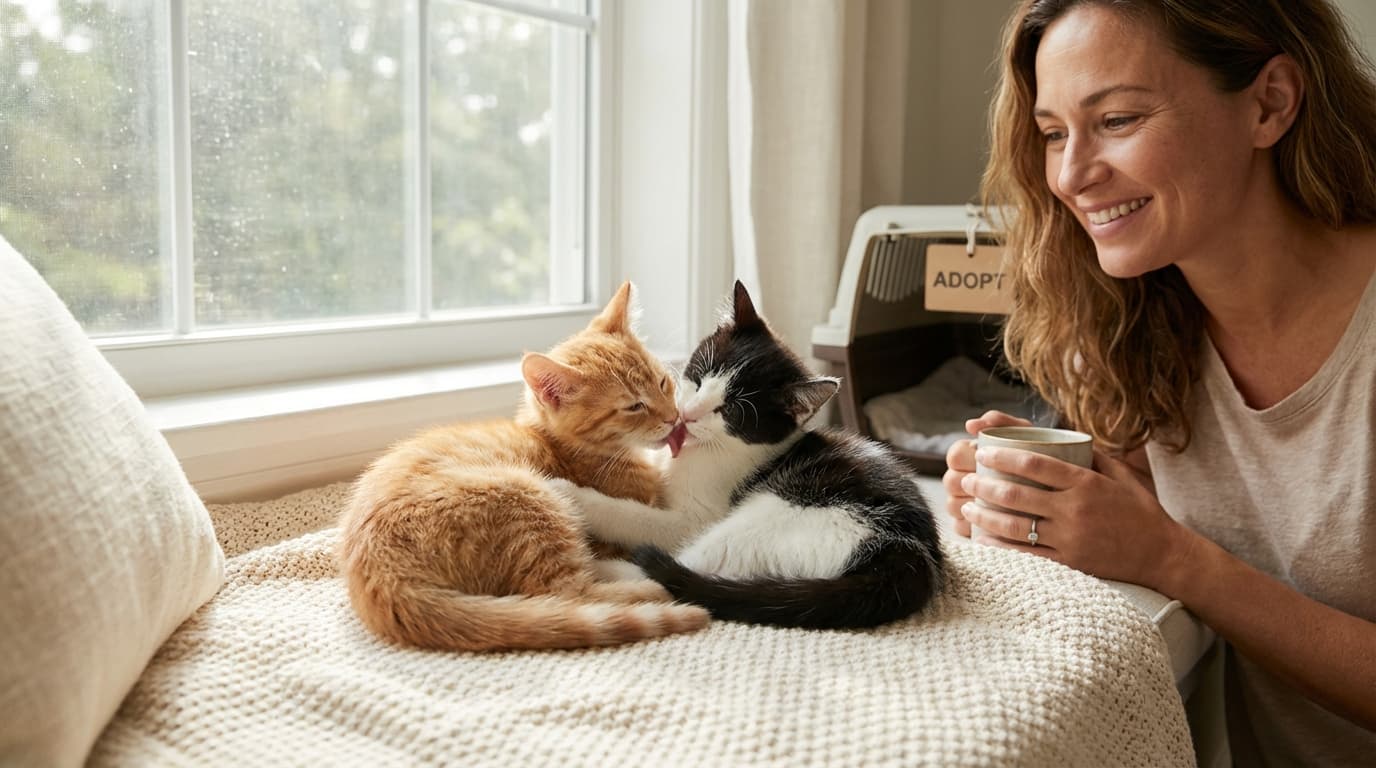
You might think bringing home one tiny kitten is the simplest way to start your journey as a pet parent, but the math of cat ownership works in a funny way. It turns out that adopting two cats at once is actually less work than raising a solo feline. While it sounds like a handful, having a pair means they entertain each other instead of climbing your curtains or waking you up at three in the morning for attention.
This idea comes from the whole kitten philosophy, which recognizes that cats are social creatures with big emotional needs. Without a playmate, a lone kitten can develop single kitten syndrome, leading to nipping and behavioral issues that are hard to fix later. Having a buddy provides constant companionship and peer coaching that a human simply cannot provide, helping them learn boundaries through play.
We are going to explore the benefits of bonded pairs and why keeping littermates together is better for their long-term development. You will also get the facts on costs, shelter discounts, and how to pick the right duo for your home. By the end, you will see why two kittens really are twice the joy and half the hassle.
Ever heard the idea that one kitten is actually just half a kitten? It sounds like strange math, but expert Hannah Shaw insists that two kittens make a whole. While it feels like double the trouble, bringing home a pair is often much easier than managing a solo tiny terror. This matters because kittens are social beings that thrive on constant interaction.
Here is why it works. When kittens have a buddy, they provide each other with vital behavioral support. They teach each other life skills like grooming and litter box habits through simple observation. This peer-to-peer coaching also helps them learn bite inhibition. They wrestle with each other instead of hunting your ankles, which means less aggression directed at you. What does this mean for your home? It means a lot less bored, destructive behavior.
There is a catch to keep in mind. Two cats mean twice the cost for food and vet visits. But the payoff is huge. Bonded pairs usually settle into new homes faster and explore more confidently than solo kittens. Many shelters even offer discounts for adopting pairs to ensure these social needs are met. It is a win for the cats and a win for your sanity.
Key insights:
- Kittens learn essential boundaries like bite inhibition from each other during play.
- Adopting a pair can reduce destructive behavior and household stress.
- Shelters often provide financial incentives for adopting bonded pairs.
The "Whole Kitten" Philosophy: Why One is Only Half
Think of a kitten like a single shoe. It is cute on its own, but it does not really function the way it is supposed to without its pair. Hannah Shaw, famously known as the Kitten Lady, often says that one kitten is just half a kitten, while two make a whole. This is not just a catchy slogan. It represents a major shift in how we understand cat psychology. For years, the myth of the "solitary predator" led people to believe cats preferred being alone, but modern science shows they are actually social colony animals that thrive on feline interaction from birth.
When you bring two kittens home, they provide a level of constant companionship that no human can ever match. You have a job, a social life, and a need for sleep, but a fellow kitten is always there to wrestle, groom, and nap. This 24/7 bond helps them feel secure. In fact, research shows that bonded pairs settle into new environments much faster and start eating sooner because they have a friend to lean on. They also act as tiny life coaches, teaching each other essential skills like grooming and proper litter box etiquette through simple observation.
The most surprising part? Two kittens are actually half the work of one. It sounds like a math error, but it is true. When a kitten is bored and alone, they often turn to your curtains, chargers, or ankles for entertainment. When they have a playmate, they direct that energy toward each other. While you will spend more on food and vaccines, many shelters offer financial discounts for adopting bonded pairs to help offset the initial cost. Plus, you will likely save a fortune on replaced furniture in the long run.
But what happens when a kitten grows up without a buddy? This leads to what experts call Single Kitten Syndrome. It is not just a case of being lonely; it is a lack of social development that creates real behavioral issues. Without a playmate to bite them back and say "ouch," a solo kitten never learns bite inhibition. They do not realize that teeth and claws hurt, which is why human-directed aggression often starts with a lonely kitten who just does not know any better.
These early experiences have a long-term impact on an adult cat's temperament. A cat that grows up solo is often more anxious, reactive, and prone to destructive behavior. Think of it this way: a kitten with a friend is learning how to be a well-adjusted cat every single day through play. By choosing two, you are not just getting double the cuteness; you are ensuring your pets grow up to be confident, gentle, and happy members of your household.
Key insights:
- Kittens learn essential life skills like grooming and litter box usage by observing their peers.
- Peer-to-peer wrestling teaches bite inhibition, which significantly reduces aggression toward humans.
- Bonded pairs experience less stress and settle into new homes faster than solo kittens.
- Adopting two kittens can prevent destructive behaviors like chewing wires or scratching furniture out of boredom.
What is Single Kitten Syndrome?
Have you ever noticed a solo kitten acting more like a tiny, fuzzy land shark than a pet? If your kitten is constantly dive-bombing your ankles or biting your hands, you’re likely seeing the early signs of Single Kitten Syndrome. It isn't a medical condition, but a set of behavioral issues that crop up when a kitten grows up without a feline friend to keep them in check.
Here’s the thing: kittens are social learners. They teach each other bite inhibition through wrestling. When one gets too rough, the other stops playing, which sends a clear message. Without a playmate, that aggression gets directed at you. Hannah Shaw, the Kitten Lady, famously says that one kitten is actually half a kitten, while two make a whole. They provide the social support needed to grow into well-adjusted adults.
Beyond the scratches, solo kittens often struggle with anxiety or overstimulation as they grow. While doubling up does mean twice the food and litter, it often leads to long-term savings because bored, lonely cats are far more likely to destroy your furniture. Adopting a pair ensures they have a constant coach for essential life skills, making your life much easier in the long run.
Key insights:
- Peer-to-peer coaching naturally teaches kittens bite inhibition.
- Solitary kittens are more likely to direct play aggression toward their owners.
- Two kittens often result in fewer behavioral issues and less household destruction.
Peer-to-Peer Coaching: How They Teach Each Other to Behave
Ever wonder why a single kitten seems like a tiny whirlwind of chaos? It is usually because they lack a teacher. When you adopt a pair, they take on the role of coach for one another. This peer-to-peer learning is the secret reason why experts like the Kitten Lady say two kittens are actually half the work of one. They watch each other constantly. If one kitten starts using the litter box or grooming their paws, the other usually follows suit. It is basically a 24/7 class in being a cat, and you do not have to teach a single lesson.
Then there is the bite inhibition factor. Kittens need to learn that teeth hurt, and they learn this best through play. When one kitten bites too hard during a wrestling match, their sibling lets out a sharp squeak and stops playing. This immediate feedback is something humans just cannot replicate as effectively. Without a playmate to set these boundaries, that play aggression often gets directed at your ankles or your favorite chair. Having a partner redirects all that frantic energy away from your skin and toward a willing participant who speaks the same language.
Wrestling might look like a tiny bar brawl, but it is actually a vital life skill. This roughhousing is how kittens test social boundaries and build confidence. You might worry they are actually fighting, but there is a clear difference. Play is usually silent, with lots of bouncing and bunny kicking, while real fighting involves flattened ears and scary hissing. Most of the time, they are just practicing being predators in a safe environment. This helps them settle into your home faster and explore with more courage because they always have a teammate by their side.
Think of it as an investment in your sanity. While the costs for food and vaccines will double, the long-term savings in cat-proofed furniture and fewer band-aids on your fingers are worth it. Bonded pairs tend to be more emotionally stable and less prone to the destructive boredom that often affects solo cats. They keep each other busy so you can actually sit on your couch without being hunted by a tiny tiger.
Key insights:
- Kittens learn essential grooming and litter box habits by mimicking their siblings.
- Bite inhibition is taught through play feedback that humans cannot easily mimic.
- Wrestling helps kittens distinguish between play and actual aggression while building confidence.
- Redirecting energy to a playmate prevents destructive behavior toward owners and furniture.
Wrestling as a Life Skill
Have you ever watched two kittens go at it? It looks like a tiny, furry wrestling match, but it’s actually a vital classroom. This roughhousing is how they learn social boundaries. When one kitten bites too hard, the other gives a sharp yelp or stops playing. That immediate feedback teaches bite inhibition in a way humans just can't. Without a feline partner to set these limits, your hands and ankles usually become the replacement targets.
You might worry they’re actually hurting each other, but there’s a clear difference between play and a real fight. Play is almost always silent, with kittens taking turns being the attacker. If you see hissing, arched backs, or fur flying, that’s a conflict. But most of the time, they’re just practicing life skills. This peer-to-peer coaching is why experts say two kittens are easier; they burn off that chaotic energy together rather than taking it out on your curtains.
Key insights:
- Wrestling teaches kittens bite inhibition, which prevents them from being overly aggressive with their human owners.
- Play aggression is healthy and usually silent, while real fighting involves hissing and defensive body language.
Double the Trouble or Twice the Joy? The Financial Reality
Let's talk about the money. When you bring home two kittens, your daily costs for food and litter do exactly what you'd expect. They double. You will be buying twice as much kibble and cleaning more boxes. Vet bills for those first shots also come in pairs. It sounds like a lot, right? But looking at the daily receipt only tells half the story. Think about the cost of a new armchair. Solo kittens often get bored, leading them to shred curtains or hunt your ankles. A playmate acts like a built-in distraction that keeps your furniture safe.
Experts point out that kittens are social creatures that learn by watching their peers. They figure out how to use the litter box and how hard is too hard when play-biting. Without a buddy, a kitten might never learn these boundaries. This often results in aggressive behavior that is frustrating to fix later. As the Kitten Lady puts it, two kittens are actually half the work because they provide the social support they need to grow up calm. You are trading a bit more spent on cat food for a much more peaceful household.
Many shelters are so committed to keeping bonded pairs together that they offer special financial breaks. Since pairs settle into new homes faster and explore more confidently, shelters prioritize these adoptions to ensure the cats stay in their new homes for good. You might find that the adoption fee for a pair is barely more than it would be for a single cat. It is a smart move by the shelters to promote better behavior, and it puts some extra cash back in your pocket right when you need it for that double supply of toys.
Key insights:
- Expect immediate costs like food and vaccines to double, but long-term costs for furniture repair and behavioral therapy often drop.
- Shelters frequently offer adoption discounts for pairs to encourage better social development and faster integration into new homes.
- Two kittens provide peer-to-peer coaching, teaching each other essential skills like bite inhibition and litter box etiquette.
The Shelter Discount Secret
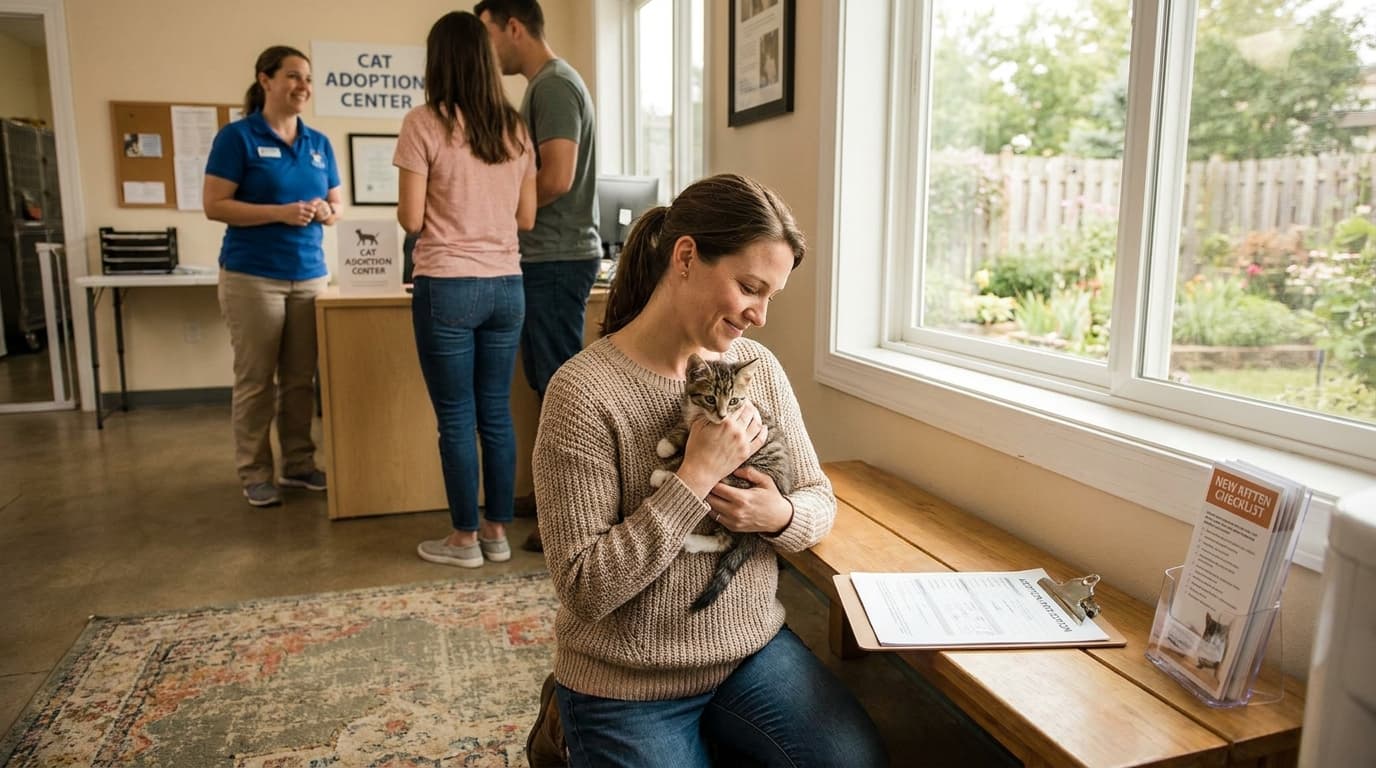
Ever wonder why shelters practically beg you to take two kittens instead of one? It isn't just because they’re crowded. Most rescues now prioritize pair adoptions because kittens learn vital life skills, like how to use a litter box, by watching their siblings. Because this socialization is so important, many shelters offer significant discounts on adoption fees for bonded pairs to keep them together.
While daily costs for food and vaccines will double, think of the long-term savings. Kittens with playmates are much less likely to destroy your furniture out of boredom. As expert Hannah Shaw says, two kittens are actually half the work of one! You get a faster transition and a happier duo, often for a lower upfront price than you would expect. It is a smart move for your wallet and your new pets.
Key insights:
- Many shelters offer a 'two-for-one' or reduced fee for adopting bonded pairs.
- Kittens with companions are less likely to engage in destructive behavior like scratching furniture.
- Siblings provide social support that helps them settle into a new home much faster.
Matching Personalities: How to Pick the Perfect Pair
When you walk into a shelter, it is easy to get distracted by a cute coat pattern or a pair of bright eyes. But here is the thing: looks do not make a friendship; energy levels do. If you pair a high-octane kitten who wants to parkour off your curtains with a mellow soul who just wants to nap, you might end up with one very annoyed cat and one very bored one. Experts suggest matching bold with bold or shy with gentle to avoid power imbalances that could lead to bullying later on.
Think of it like choosing a roommate. You want someone who matches your vibe. This is why many shelters now push for bonded pair adoptions. As Hannah Shaw, the Kitten Lady, famously says, "One kitten is half a kitten. Two kittens are a whole!" This is not just a cute slogan; it is about emotional development. Kittens teach each other essential life skills through observation. They learn how to groom themselves and even how to use the litter box just by watching their buddy. This peer-to-peer coaching actually reduces aggression toward humans because they learn bite inhibition while wrestling with each other.
But what if you fall in love with two kittens from different litters? It is totally doable, but you need a solid introduction strategy. Start with a quarantine period to make sure everyone is healthy, then move to scent swapping. Taking it slow, using methods like those shared by experts like Jackson Galaxy, ensures they build a bond based on trust rather than territory. While a Reddit user on r/CatAdvice might warn you that two cats mean double every expense, the behavioral payoff is huge. You will see them settle into your home faster, start eating sooner, and explore with way more confidence than a solo kitten would.
Now, let us talk about the one thing every cat owner worries about: the bathroom situation. You have probably heard the gold standard is one box per cat plus one extra. In a perfect world with endless square footage, that is great. But if you are living in a small apartment, three litter boxes can feel like they are taking over your life. This is where the bonded pair advantage kicks in again.
While the plus one rule is ideal, many bonded kittens are perfectly happy sharing a single large box, especially if they already do everything else together. The secret to making this work is consistency. You have to be diligent about scooping, think twice a day at minimum. If you keep the bathroom clean, a bonded pair often will not mind the shared space. Just keep an eye out for any signs of stress, but for many owners, a single, well-maintained station works just fine and keeps the apartment manageable.
Key insights:
- Matching kittens by energy levels is more important for long-term harmony than matching by age or appearance.
- Bonded pairs provide peer-to-peer coaching that helps kittens learn grooming and appropriate play behavior.
- In small living spaces, frequent scooping often allows bonded pairs to share a single litter box without stress.
- Introducing kittens from different litters requires a patient quarantine and scent-swapping process to build trust.
The Litter Box Rule of Thumb
You’ve probably heard the standard advice: you need one litter box per cat, plus one extra for good measure. For two kittens, that’s three boxes taking up your precious floor space. If you’re living in a small apartment, that sounds like a total nightmare. But here’s the reality for bonded pairs: they often don’t mind sharing. Because these kittens already do everything together - from napping to grooming - the usual territory disputes rarely happen.
While the 'n+1' rule helps prevent stress in unrelated cats, a pair of siblings or best friends can usually handle a shared setup. The secret? You have to be diligent about scooping. If you stay on top of the cleaning, one large, high-quality box can work perfectly. It saves you space and keeps your home from feeling like a giant feline restroom. Just keep an eye on their behavior; if they’re happy and using the box consistently, your simplified setup is a win for everyone.
Key insights:
- Bonded pairs are significantly less likely to experience territory issues over a shared box.
- Frequent cleaning is the most important factor when allowing two kittens to use one box.
- Small apartment owners can often successfully bypass the standard 'n+1' rule with siblings.
Success Stories: Real Life With a Dynamic Duo
Ever wonder why some kittens walk into a new home like they own the place while others hide under the couch for days? When you adopt a pair, that scary first night usually disappears. Bonded kittens tend to settle into new environments much faster because they have a familiar friend by their side. They start eating sooner and explore more confidently than a solo kitten would. It is like having a built-in support system that tells them everything is going to be okay.
Think about the brave kitten scenario. If you have one bold kitten and one shy one, the braver one acts as a tiny coach. The shy kitten watches their friend interact with you and realizes that you are not a threat. This peer-to-peer coaching is a game changer for socialization. As Hannah Shaw, also known as the Kitten Lady, says, one kitten is really just half a kitten, but two kittens make a whole. They teach each other essential life skills like how to use the litter box or how to groom properly just by watching each other.
Then there is the pure fun of it. Watching two kittens play is better than any TV show. They wrestle, chase, and tumble around, which keeps them from getting bored and destructive. While it is true that two cats mean double the expenses for food and vaccines, you often save money in the long run. Because bored kittens are the ones who shred your curtains or chew your chargers, having a playmate keeps them occupied. When they have each other to play with, your furniture usually stays safe. Some shelters even offer discounts for adopting pairs, so keep an eye out for those deals.
You might worry that two kittens are twice the work, but it is actually the opposite. They entertain each other while you are busy or sleeping. Instead of waking you up at 3 AM for play, they have a wrestling match with their best friend. It is a win for everyone involved.
Key insights:
- Pairs settle into new homes faster and begin eating and exploring sooner than solo kittens.
- A confident kitten can help a shy companion gain courage through observation and social modeling.
- Adopting two kittens reduces destructive behaviors like furniture scratching by providing a constant playmate.
- Many animal shelters provide financial incentives or lower fees for adopting bonded pairs together.
Common Questions About Double Adoptions
A common worry is that two kittens will bond so closely with each other that they won't have room for you. It is a fair question, but the opposite is actually true. When kittens have a playmate to wrestle with, they learn social boundaries from each other rather than using your ankles as target practice. This peer coaching means they are often more relaxed and affectionate when it is time to snuggle with you. They get their wild energy out together so they can be better companions for their humans.
What about space? You might think two cats need a mansion, but they mostly share the same vertical territory. Even in a small apartment, bonded pairs often successfully share a single litter box if you scoop it frequently. While your daily expenses for food and litter will double, you might actually save money over time. Kittens with friends are far less likely to destroy your sofa, scratch up your plants, or chew through expensive electronics out of boredom.
If you are still leaning toward just one, remember that many shelters now offer discounts for bonded pairs because these cats settle in faster and stay healthier. If you truly can only take one, look for an older cat who prefers being the only pet in the house. But for kittens, having a buddy is not just a luxury. As the Kitten Lady says, one kitten is really just half a kitten. Two kittens are a whole because they provide the social support they need to grow up well.
Key insights:
- Peer-to-peer coaching helps kittens learn boundaries, which reduces aggression toward owners.
- Adopting two can lead to long-term savings by preventing destructive boredom-based behavior.
- Many animal shelters offer financial incentives or discounts for adopting bonded pairs.
Final Thoughts: Is Your Heart (and Home) Ready for Two?
So, are you ready to double the love? It is a big decision, but think of it this way: one kitten is really just half a kitten. Bringing home a pair means they have a built-in best friend to teach them how to be a well-behaved cat. They learn essential skills like using the litter box and grooming just by watching each other. While you are doubling your budget for food and vet visits, you are also cutting your daily workload in half because they entertain each other while you sleep or work.
The real reward is a socially adjusted cat that feels confident in its own home. Bonded pairs settle in faster and are much less likely to shred your sofa out of boredom. They direct their zoomies toward each other instead of your ankles. If the extra cost feels like a hurdle, reach out to your local shelter. Many rescues offer financial discounts for adopting pairs because they want to keep these friends together. It is a win for your heart, your home, and especially for the kittens.
Key insights:
- Peer-to-peer coaching reduces human-directed aggression and biting.
- Shelter discounts make double adoption more affordable for new owners.
- Bonded pairs explore new environments more confidently than solo cats.
Frequently Asked Questions
Conclusion
So what does this all mean for your future feline friends? It turns out that adopting two cats at once is not just about doubling the cuteness. It is a practical way to ensure they grow up socially well adjusted while saving your furniture from those lonely and bored claws. By meeting their social needs through a bonded pair, you are setting them up for a lifetime of better behavior and shared happiness.
While the extra food and vet bills are real, the payoff in reduced stress and fewer behavioral issues is even bigger. If you are ready to add a cat to your family, your next move is to visit a local shelter and ask about their pairs. Many rescues even offer discounts to help keep siblings together because they know how much easier it makes the transition for everyone.
Choosing two might feel like a big leap, but watching them nap and play together makes it all worth it. You are not just getting two pets. You are giving them a best friend for life.
Send it to someone who should read it next.
About the author

Oliver Chen
Cat Rescue Advocate
Founder of a no-kill rescue shelter and passionate advocate for feline welfare and responsible cat adoption.
View all articles