Why Your Cat Isn't Limping (But Might Still Be Hurting)
Did you know that a staggering 90% of cats over the age of 12 are living with arthritis? It is a heartbreaking stat, especially since many owners have no idea...

PurrScript Editorial Team
Editorial Team
Why Your Cat Isn't Limping (But Might Still Be Hurting)
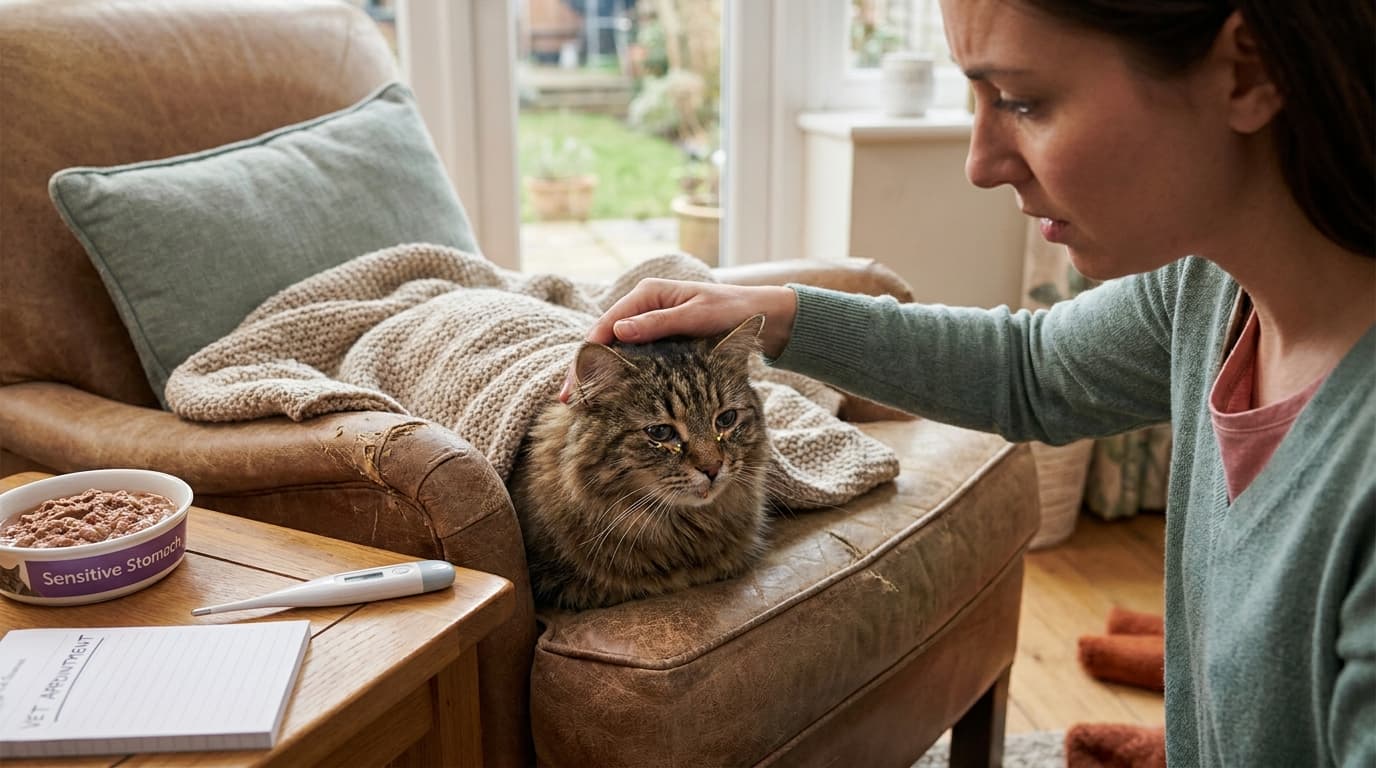
Did you know that a staggering 90% of cats over the age of 12 are living with arthritis? It is a heartbreaking stat, especially since many owners have no idea their furry friends are struggling. Because cats are biological masters at hiding pain in cats, they rarely limp or cry out like dogs do. Instead, they just get a little quieter, which we often mistake for them just slowing down as they get older.
If your senior kitty has stopped jumping on the counter or seems a bit grumpy when you pet them, it might not be a personality shift. It could be signs of cat joint pain. We are here to help you spot those invisible red flags and explore new ways to help them feel like kittens again. We will look at everything from home fixes like cat ramps for beds to the latest medical treatments available at the vet.
We will also look at how Solensia for cats is changing the game and whether glucosamine for felines actually helps. You will even find easy senior cat mobility exercises to keep them moving comfortably. By the end, you will have a clear plan to help your cat enjoy their golden years without the constant ache.
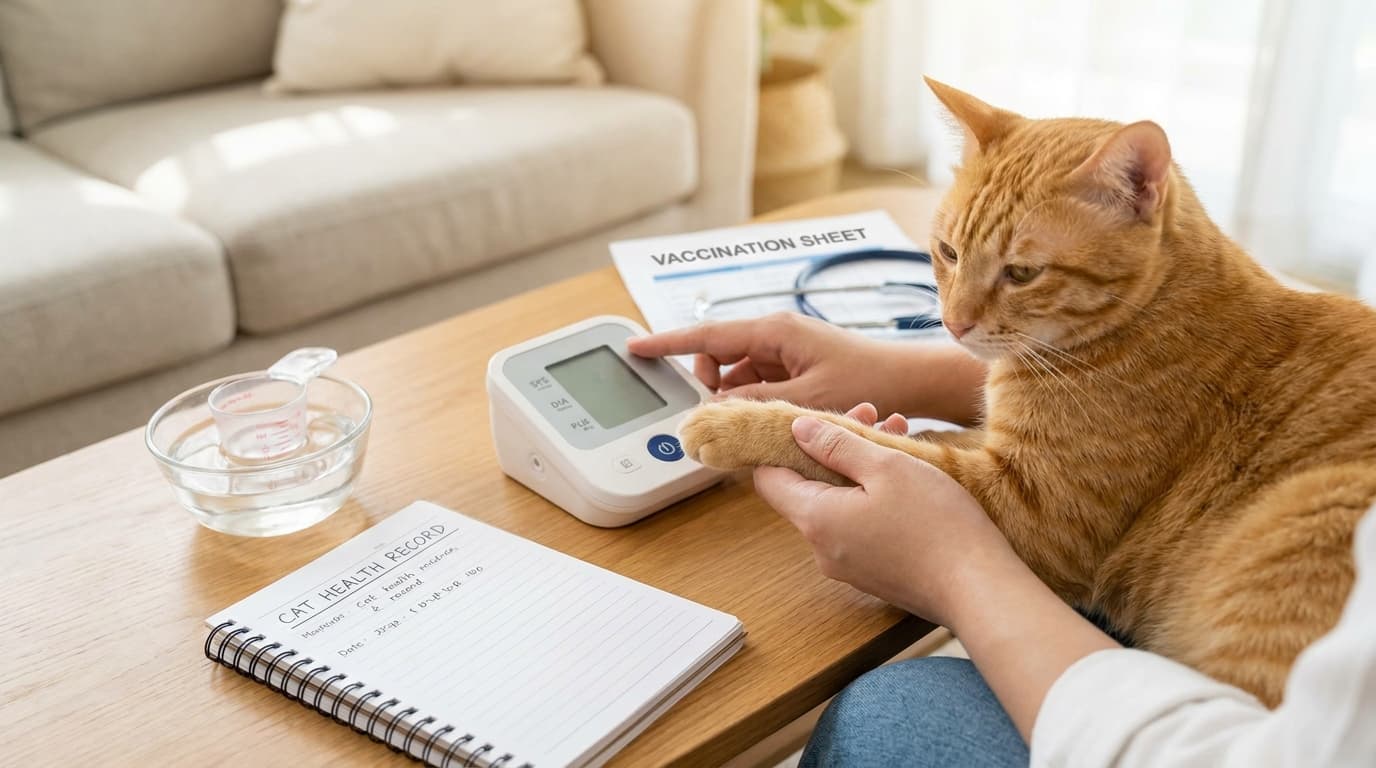
Ever notice your older cat sleeping more and jumping less? You might think they are just becoming a lazy senior, but cats are actually masters at hiding pain. Unlike dogs who limp, cats usually just do less. They might stop leaping onto the high counter or hesitate at the stairs. It is a subtle shift that is incredibly easy to miss because it looks like normal aging.
The data is eye-opening. Recent findings show that over 90% of cats older than 12 have arthritis visible on X-rays, yet less than 10% ever get a formal diagnosis. Most of us just assume our pets are slowing down naturally, but even 60% of cats aged 6 already show signs of joint wear. They are often hurting in silence while we think they are just enjoying a long nap.
The good news is that we are seeing major breakthroughs. Treatments like Solensia are changing lives, with 77% of owners reporting real improvements in how their cats move and play. We are going to show you how to spot these invisible signs of cat joint pain and which new options can help your furry friend feel like a kitten again.
Key insights:
- Cats manifest pain by reducing activity rather than limping or vocalizing.
- Over 90% of cats over 12 have arthritis, but very few are formally diagnosed.
- New monoclonal antibody treatments like Solensia offer a safe way to manage pain even in senior cats.
The Great Pretenders: Why Hiding Pain in Cats is a Survival Skill
Evolution is a tough teacher. In the wild, showing weakness is basically an invitation to be hunted. Even though your cat’s biggest predator is probably just the vacuum cleaner, that deep-seated biological drive to mask discomfort remains. They are programmed to look fine until they absolutely cannot anymore. This is why you will not hear them complain. They have spent thousands of years practicing the art of the poker face.
The data tells a pretty clear story about what is happening under the surface. Recent findings show that over 90% of cats older than 12 years have arthritis visible on X-rays. It is not just a senior problem either. About 60% of cats aged 6 and up already show signs of joint issues. But here is the kicker: less than 10% of these cats ever get diagnosed. That huge gap exists because we are looking for the wrong clues.
We often wait for a limp that never comes. In reality, the primary symptom of feline pain is simply doing less. If your cat used to sprint for breakfast but now takes a slow, measured walk, that is a red flag. If they stop grooming those hard-to-reach spots on their lower back, it is not laziness. It is a physical limitation. They are not just aging. They are dealing with a world that has started to hurt, and they are doing it with a quiet dignity that makes it easy for us to miss the problem entirely.
Think about how a dog handles a sore joint. They will limp, whimper, or look at you with big, sad eyes until you check their paw. Dogs are loud with their pain. Cats, however, are experts at the subtle shift. A dog limps. A cat simply stops jumping on the kitchen counter. While a dog might stay close to you for comfort, a pained cat often withdraws, choosing a hidden spot under the bed over their favorite sunny windowsill.
So, how do you tell the difference between a peaceful nap and a pain-related withdrawal? It is all about the why. A healthy cat naps because they want to, but they will still pop up for a treat or a scratch behind the ears. A cat in pain might stay tucked away because moving requires too much effort. If you notice your cat hesitating before a jump they used to make with ease, or if they have suddenly decided the floor is better than the sofa, they are not just being mellow. They are likely trying to tell you something without saying a word.
Key insights:
- Cats mask pain as a survival instinct to avoid appearing vulnerable to predators.
- The most common sign of feline arthritis is a decrease in activity rather than visible limping.
- Over 90% of senior cats have joint issues, yet the vast majority go undiagnosed due to subtle symptoms.
- Withdrawal and changes in jumping habits are more reliable pain indicators than vocalization.
The Difference Between Dogs and Cats with Joint Pain
When a dog’s joints ache, they usually tell you with a clear limp or a whimper. Cats are much more subtle. They are masters at hiding pain, which explains why less than 10% of arthritic cats ever get a formal diagnosis. They do not usually whine; they just disappear into the background. This makes it incredibly easy to miss the signs until the condition is quite advanced.
Is your cat actually napping more, or are they withdrawing because it hurts to move? While a dog might struggle to walk, a cat often just stops jumping on the sofa or hesitates at the stairs. Recent findings show that 90% of cats over age 12 have arthritis, yet many owners mistake this lack of activity for just getting old. Think of it this way: a dog's pain is loud, but a cat's pain is quiet.
Look for the small shifts in their routine. A cat who stops grooming or suddenly chooses a floor bed over their favorite high perch is sending a signal. Luckily, new treatments like Solensia can help by blocking pain signals directly. This helps these masters of disguise get back to their playful selves without the struggle of daily pills.
Key insights:
- Dogs show pain through active limping, while cats show it by simply doing less.
- Over 90% of cats older than 12 have radiographic signs of arthritis.
- Decreased grooming and avoiding jumps are often mistaken for normal aging rather than pain.
Is Your Cat Hurting? 5 Subtle Signs You Might Be Missing
Imagine your cat sitting at the edge of the sofa, staring at the cushion like they are solving a complex math problem. They used to fly up there without a second thought, but now there is a pause - a mental calculation phase. This isn't just them being thoughtful; it is one of the quietest ways a cat tells you they are hurting. Unlike dogs who tend to limp or whine, cats are biological experts at hiding discomfort. In fact, while over 90% of cats older than 12 have arthritis visible on X-rays, less than 10% ever get a formal diagnosis. They do not want to show weakness, so they simply do less instead of crying out.
You might also notice their coat looking a bit scruffy, especially along their lower back. If your once-pristine groomer is suddenly rocking a messy look, it is often because twisting around to reach those spots actually hurts their spine or hips. Then there is the litter box. If you are finding accidents right next to the tray, or if they seem to avoid the high-sided box they have used for years, it is likely because stepping over that ledge feels like climbing a mountain. Even by age six, about 60% of cats already show early signs of joint wear and tear, so these small shifts in routine are actually big red flags.
Sometimes, the pain does not look like physical stiffness at all - it looks like a bad mood. If your sweet senior suddenly hisses when you pet their back or retreats under the bed for hours, they are not just getting grumpy with age. Hiding is a survival instinct; a cat in pain wants to stay out of sight where they feel safe from perceived threats. When they shy away from being picked up, they are often protecting a sore joint from the pressure of your hands. It is a heartbreaking shift, but recognizing that this irritability is actually a cry for help is the first step toward getting them back to their old selves.
The good news is that we have moved past just dealing with it. Newer treatments like Solensia are changing the game. This is not a traditional chemical drug that puts stress on the liver or kidneys - which is great since many older cats already have kidney issues. It is a monoclonal antibody that works by neutralizing Nerve Growth Factor, basically stopping the pain signals before they reach the brain. About 77% of owners see a real difference within a few months. Monthly injections usually cost between $50 and $100, and for many, it is the key to giving a cat their personality back so they can stop hiding and start living again.
Key insights:
- Cats manifest pain by doing less rather than limping or vocalizing.
- A messy coat on the lower back often indicates spinal or hip pain that prevents normal grooming.
- Arthritis affects 90% of senior cats but is rarely diagnosed because signs are so subtle.
- Solensia provides a kidney-safe alternative to traditional pain medications for aging felines.
The Grumpy Senior: When Personality Changes Mean Pain
Ever notice your once-cuddly senior cat suddenly hiss when you go for a chin scratch? It is easy to label them a grumpy old man, but there is usually a physical reason for that attitude shift. When a cat starts hiding under the bed or reacting poorly to being petted, they are not just wanting peace. They are likely hurting.
Here is a staggering reality: over 90% of cats older than 12 have arthritis visible on X-rays. Yet, less than 10% ever get a formal diagnosis. Why? Because cats are absolute masters at hiding discomfort. They do not usually limp or cry out like dogs do. Instead, they just do less. They stop jumping on the counter or spend more time tucked away in a quiet corner where nobody will bump into their sore joints.
Think of it this way: if every step felt stiff and sore, you would be irritable too. That personality change is a silent SOS. Recognizing these subtle shifts is the first step toward getting them the relief they deserve.
Key insights:
- Sudden irritability is often a physical symptom of pain rather than a personality trait.
- Cats manifest pain by withdrawing and doing less rather than active limping.
- Hiding under furniture is a common way for senior cats to protect themselves when they feel vulnerable due to joint discomfort.
The Solensia Breakthrough: A Game-Changer for Feline Mobility
Imagine your older cat. They aren't exactly limping, but maybe they stopped jumping onto the kitchen counter to steal your snacks. You might think they are just slowing down because they are getting older. But here is the thing: over 90 percent of cats older than 12 have arthritis that shows up on X-rays. Because cats are total experts at hiding their discomfort, less than 10 percent of them ever get a formal diagnosis. They don't usually limp or cry out. They just quietly decide to do less.
That is why Solensia is such a big deal. It is the first and only FDA-approved monoclonal antibody treatment built specifically for cat joint pain. It is not just another pill you have to hide in a treat. It actually changes the way your cat's body processes pain at a biological level. Instead of just masking the problem, it addresses the source of the discomfort in a way we haven't been able to do before.
Most older meds try to fight inflammation, but Solensia takes a different path. It targets something called Nerve Growth Factor, or NGF. Think of this as the messenger that carries pain signals to the brain. Solensia uses a protein called frunevetmab to grab those messengers and stop them in their tracks. It is like putting a 'do not disturb' sign on your cat's nervous system so they can finally relax and move freely again.
The results are pretty exciting. In a three-month study, 77 percent of cat owners saw a real improvement in their pet's signs of pain. We aren't just talking about numbers on a page. This looks like a cat who suddenly decides to climb the stairs again or starts playing with that feather wand they ignored for two years. It gives them their personality back and helps them rejoin the family activities they were missing out on.
If you have a senior cat, you probably worry about their kidneys. Many traditional pain meds like Meloxicam or Gabapentin can be hard on a cat's system or make them act a bit woozy. But Solensia is a protein, not a chemical. Their body breaks it down just like it would any other natural antibody. This makes it a much safer choice for older cats who might already have some kidney issues or other health hurdles. It gives you peace of mind while they get their bounce back.
Getting the treatment is also a breeze compared to the daily struggle of pilling a cat. It is just one injection at the vet's office every month. No more wrestling with your cat or trying to hide bitter medicine in their food. You can usually expect to pay between 50 and 100 dollars for the shot. When you consider the safety and the fact that it actually works, it is a huge relief for many families who just want their cat to feel comfortable in their own skin again.
Key insights:
- Cats show pain by doing less rather than limping or vocalizing.
- Solensia is kidney-safe because it is a protein processed like a natural antibody.
- The treatment requires only one monthly injection instead of daily oral medication.
- 77 percent of owners report seeing a visible difference in their cat's mobility within months.
Is It Safe? Why It's a Win for Kidney-Sensitive Seniors
If you have a senior cat, you probably worry about their kidneys. It is a common stress for owners because many pain meds, like traditional NSAIDs, can be tough on a cat's internal organs. This is where Solensia changes the game. Instead of being a chemical that the liver or kidneys have to break down, it is a monoclonal antibody. Think of it like a targeted protein that mimics the body's natural defenses to block pain signals. Because it is processed like a normal protein, it is much easier on those sensitive senior systems.
The routine is pretty simple, too. Instead of fighting your cat to swallow a pill every morning, they just get one injection at the vet once a month. It costs somewhere between $50 and $100 per dose, which is a solid investment when you consider the results. In clinical studies, 77% of owners saw a real difference in how their cats moved and acted. It is not just about adding years to their life, but making sure those years actually feel good. What does this mean for your favorite feline? It means more jumping and less hiding without the usual side-effect worries.
Key insights:
- Solensia mimics natural antibodies, making it safer for cats with kidney issues compared to traditional chemicals.
- A single monthly injection replaces the daily struggle of pilling, costing between $50 and $100.
- Over three-quarters of owners reported visible improvements in their cat's mobility and comfort.
Beyond the Vet: Home Hacks for a Stiff Senior Cat
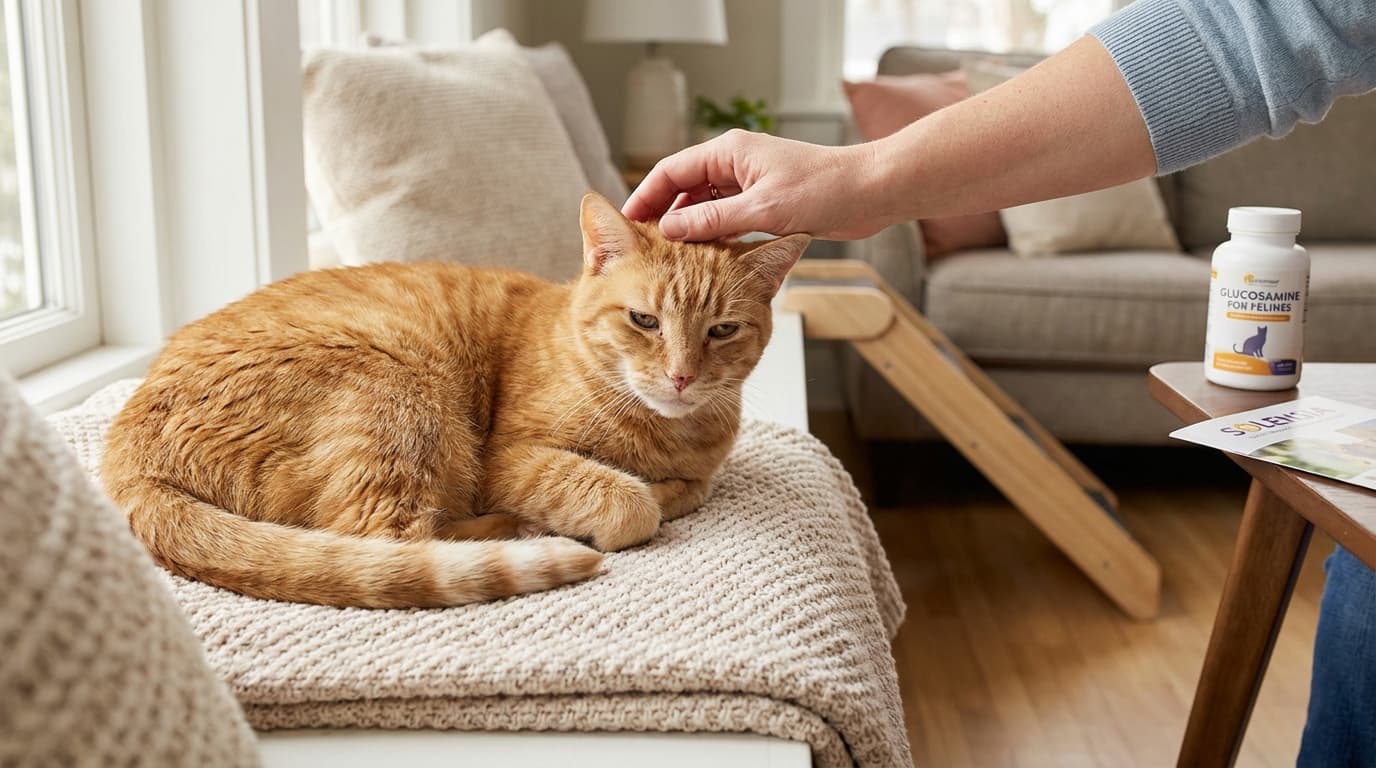
Have you noticed your cat spending more time on the floor lately? It is easy to assume they are just slowing down with age, but the reality is often more physical. Since over 90% of cats older than 12 have arthritis visible on X-rays, that favorite spot on the bed might suddenly feel miles away. While breakthroughs like Solensia help manage the internal pain, our job at home is to bridge the gap between where they are and where they want to be.
Think of your home through their eyes. A jump that used to be effortless now feels like a jarring shock to the system. That is where cat ramps for beds and sofas become essential tools. By removing the need for high-impact leaps, you are protecting those aging joints from further wear. If a full ramp feels too bulky, try creating 'stepping stones' using low stools or sturdy ottomans to help them reach sunny windowsills in easy stages.
We also need to talk about the litter box. If your cat is starting to have accidents right next to the tray, they might not be acting out; they might just be struggling with the high sides. Switching to a low-entry box or a DIY plastic bin with a low cut-out makes a world of difference. It is all part of a multimodal approach where we combine medicine with a senior-friendly environment to keep them comfortable.
Movement is still vital for a stiff cat, but we have to change the rules of engagement. Instead of high-speed chases that end in a hard skid, try low-impact play. Use a feather wand to encourage gentle, slow stretching rather than vertical leaps. It keeps the joints moving and the muscles engaged without the risk of a painful landing or a sudden twist.
Food puzzles are another fantastic way to keep a senior cat mobile. Instead of letting them graze at a stationary bowl, a puzzle feeder encourages them to take a few extra steps and use their paws to hunt for their kibble. It is a simple hack that keeps their brain sharp and their body active, ensuring that doing less does not become their new normal just because their joints are a bit rusty.
Key insights:
- Environmental changes like ramps are considered medical equipment for senior cats.
- Low-impact play prevents the muscle wasting that often follows an arthritis diagnosis.
- Small home tweaks can significantly reduce the daily pain signals reaching a cat's brain.
Senior Cat Mobility Exercises You Can Do at Home
It is a bit heart-breaking to realize that over 90% of cats older than 12 have arthritis visible on X-rays. Because they are so good at hiding pain, you might just think your buddy is getting lazy or just slowing down. But movement is actually part of the cure. Think of low-impact play as physical therapy that feels like a game. Using a feather wand to encourage gentle stretching instead of frantic leaping helps keep those joints lubricated without causing a flare-up.
You can also swap the traditional food bowl for food puzzles. This forces them to take small, deliberate steps and use their paws. It keeps their bodies moving without the jarring impact of jumping onto high counters. Even if your vet suggests a treatment like Solensia to block pain signals, these home exercises are essential. They help your cat regain the confidence to move again. Play looks a little different now, but it is just as important as ever.
Key insights:
- Gentle stretching with feather wands keeps joints lubricated without high-impact stress.
- Food puzzles encourage natural walking and paw use to maintain muscle mass.
- Physical activity at home complements medical treatments like Solensia for better results.
Supplements and Diet: Does Glucosamine for Felines Actually Work?
Did you know that over 90% of cats older than 12 years show signs of arthritis on X-rays? It’s a staggering number, especially since most of these cats never actually limp. Instead, they just stop jumping on the counter or nap more. When we see these shifts, we often reach for the supplement bottle. Glucosamine and chondroitin are the household names here, acting like building blocks to help repair cartilage and keep joints moving. They aren't instant cures, but they provide a solid foundation for long-term feline comfort.
If glucosamine is the foundation, Omega-3 fatty acids are the senior cat's best friend. Think of high-quality fish oil as a natural way to dial down the inflammation in your cat's joints. It’s a simple addition to the food bowl that makes a noticeable difference in how easily your cat moves from the rug to the sofa. Plus, it keeps that aging coat looking shiny, which is a nice bonus for a cat that might be struggling to reach those itchy spots on their back.
The most important factor doesn't come in a bottle: weight management. For a cat with sore hips, even one extra pound is like carrying a heavy backpack. Keeping your cat lean is the simplest way to reduce daily joint stress. When you combine a healthy weight with the right supplements, you’re helping them reclaim their favorite sunny spots without the struggle. It makes every single step a little bit lighter.
Key insights:
- Over 90% of senior cats have radiographic signs of arthritis even if they don't limp.
- Omega-3 fatty acids act as a natural anti-inflammatory for both joint health and coat quality.
- Maintaining a lean body weight is the most effective way to reduce mechanical stress on sore joints.
Common Questions About Cat Arthritis
If you have ever watched your senior cat and thought they were just slowing down because of age, you are not alone. Most owners expect to see a limp or hear a cry when a pet is in pain, but cats are different. They are masters at hiding discomfort. Research shows that over 90% of cats older than 12 years have arthritis visible on X-rays, yet less than 10% of them ever get a formal diagnosis. This happens because cats do not usually limp. Instead, they simply do less. They might stop jumping on the high counter or take a bit longer to get settled in their favorite bed. It is not just about getting old, it is about how they manage their pain.
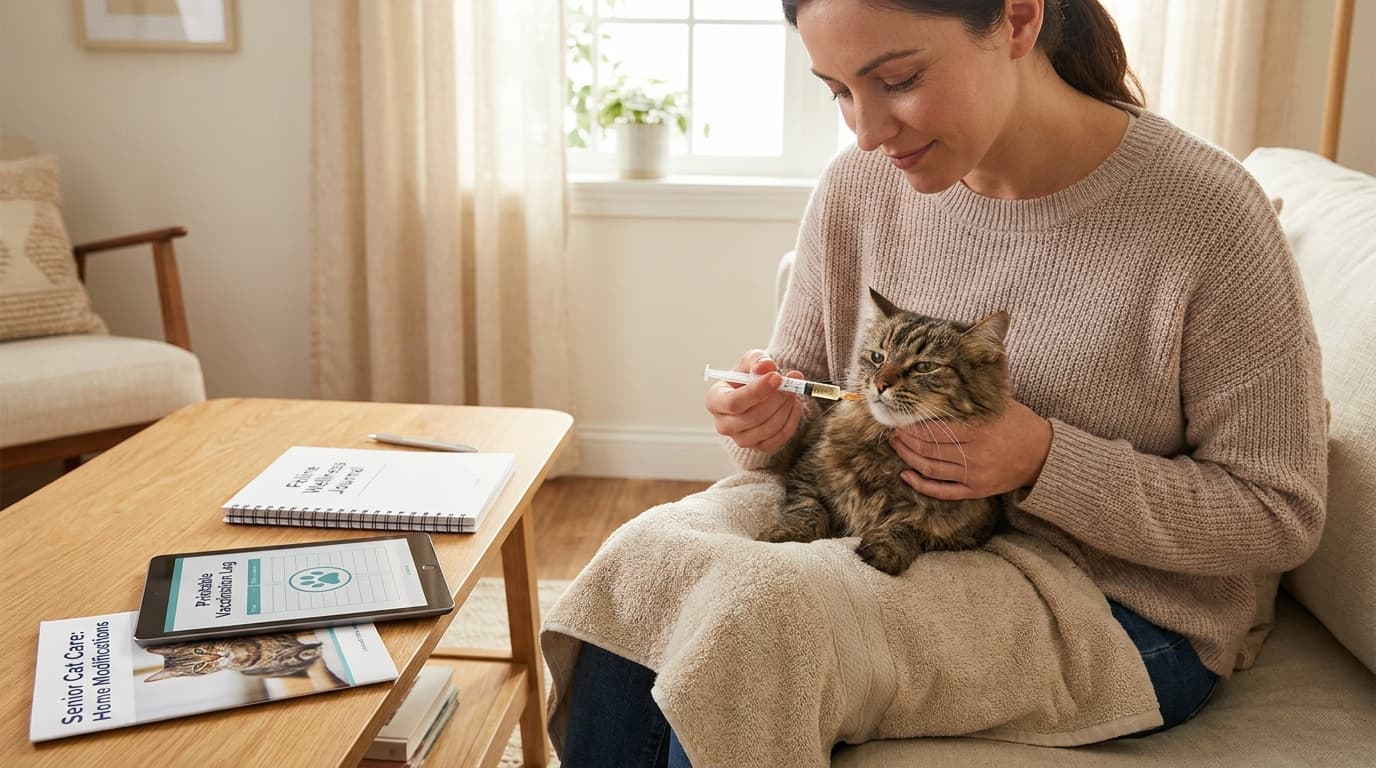
One question owners ask constantly is whether there is a safe way to help, especially for older cats with sensitive kidneys. This is where the landscape has changed. A treatment called Solensia has become a real breakthrough. It is the first FDA-approved monoclonal antibody made specifically for feline joint pain. Unlike older medications that can be tough on the liver or kidneys, this one works like your cat's own natural antibodies to block pain signals before they reach the brain. In a three-month study, 77% of owners saw a big difference in how their cats moved and acted. It usually costs between $50 and $100 for a monthly shot, which is a relief for anyone who has ever struggled to give their cat a daily pill.
You might wonder if a shot is enough on its own. While medicine does the heavy lifting for the pain, the best results come from a multimodal approach. This just means combining the vet's help with small changes at home. Think about your cat's daily routine. Are the sides of the litter box too high to step over easily? Could they use a small set of stairs to reach your bed? These simple stepping stones make a huge difference. When you combine a treatment like Solensia with a more accessible home, you are not just managing a condition, you are giving your cat their confidence back.
It is also worth noting that this is not just a problem for the very old. Even in cats as young as six, about 60% already show signs of joint wear and tear on radiographs. If you notice your cat hesitating before a jump or changing their grooming habits, do not just write it off as them getting grumpy or lazy. It is worth a conversation with your vet. Catching it early means more years of play and less time spent hiding away.
Key insights:
- Cats show pain by doing less rather than limping, which is why so many go undiagnosed.
- Solensia is a kidney-safe alternative to traditional NSAIDs for senior cats.
- Combining medication with home changes like ramps and low-entry litter boxes is the gold standard for care.
- Arthritis starts earlier than most realize, with 60% of cats showing signs by age six.
Frequently Asked Questions
Cats are total masters at hiding when they hurt. While a dog might limp or whine, a cat usually just starts doing less. You might notice they aren't jumping onto the high counter anymore or they hesitate before hopping onto the bed. It is easy to mistake this for just getting old, but it is often actually joint pain.
Here is the thing to watch for: look at their daily habits. Are they grooming less? Are they suddenly grumpy when you pet their back? Since less than 10 percent of cats with arthritis actually get a formal diagnosis, keeping an eye on these tiny behavior shifts is really important. If they seem to be slowing down, it is worth a chat with your vet.
It is a bit of an investment since it usually runs between 50 and 100 dollars every month, but for many owners, it is a big win. Since it is the first treatment of its kind, it works differently than old school pain meds. Instead of a daily pill that can be tough on the kidneys, it is a simple monthly shot that targets pain signals directly.
The results speak for themselves for a lot of people. In studies, about 77 percent of owners saw their cats moving better and acting more like themselves again within three months. If your cat has kidney issues and cannot take regular anti inflammatories, this is often the safest and most effective way to get them back on their feet.
It really depends on the type of medication your vet prescribes, but the biggest concern with traditional anti-inflammatory drugs like NSAIDs is how they affect a cat's kidneys and liver over time. Because many senior cats already have some stage of kidney disease, using these drugs for a long time usually means you will need to do regular blood work to stay safe.
Here is the thing that most owners find helpful: newer options like Solensia are changing the game. This treatment is a monoclonal antibody that mimics natural proteins, so it is not processed by the liver or kidneys like traditional chemicals. It is generally considered much safer for older cats who might have other health issues going on. Always watch for subtle changes in your cat, but these modern treatments have fewer of the scary long-term risks we used to worry about.
You should definitely stick to supplements made specifically for felines instead of sharing yours. While the main ingredient might be the same, human pills often contain additives, sweeteners like xylitol, or flavorings that are actually toxic to cats. Plus, the dose in a human capsule is way too high for a small animal, making it almost impossible to measure out correctly at home.
It is also worth noting that cat-specific versions usually come in liquids or chews that taste like fish or chicken, which makes it much easier to give to them. Since cats are so good at hiding pain, you want to make sure they are getting the right dose of a safe product. If you are looking to help their mobility, pairing a feline supplement with home changes like ramps or low-sided litter boxes is usually the best way to go.
Conclusion
So what does all this mean for your favorite feline? It means that just because your cat isn't limping, it doesn't mean they are comfortable. We often mistake the signs of cat joint pain for simple aging or laziness, but usually, our cats are just trying to stay tough. Once you start looking for those tiny changes, like a messy coat or a hesitation before jumping, the invisible pain becomes much easier to see.
The good news is that we have better tools than ever to help them feel like kittens again. Between new medical options like Solensia for cats and simple home changes like adding cat ramps for beds, you can make a huge difference in their daily life. Your next move is probably a quick chat with your vet to see if your senior cat is a candidate for a mobility plan.
Taking these steps is about more than just medicine. It is about making sure your cat can still reach that favorite sunny spot on the windowsill without a second thought. A little extra help goes a long way in giving them back their comfort and their personality. After all, every cat deserves to spend their golden years feeling as limber and happy as possible.
Send it to someone who should read it next.

PurrScript Editorial Team
Editorial Team
PurrScript's in-house editorial team. We research, write, and review every guide using established veterinary and behavioral resources, and update articles as best practices evolve.
View all articles