Why Your Cat Makes Biscuits: The Science and Sweetness of Kneading
Have you ever settled onto the couch only to have your cat start rhythmically pawing at your lap? This adorable habit, often called making biscuits, is one of the most...

PurrScript Editorial Team
Editorial Team
Why Your Cat Makes Biscuits: The Science and Sweetness of Kneading
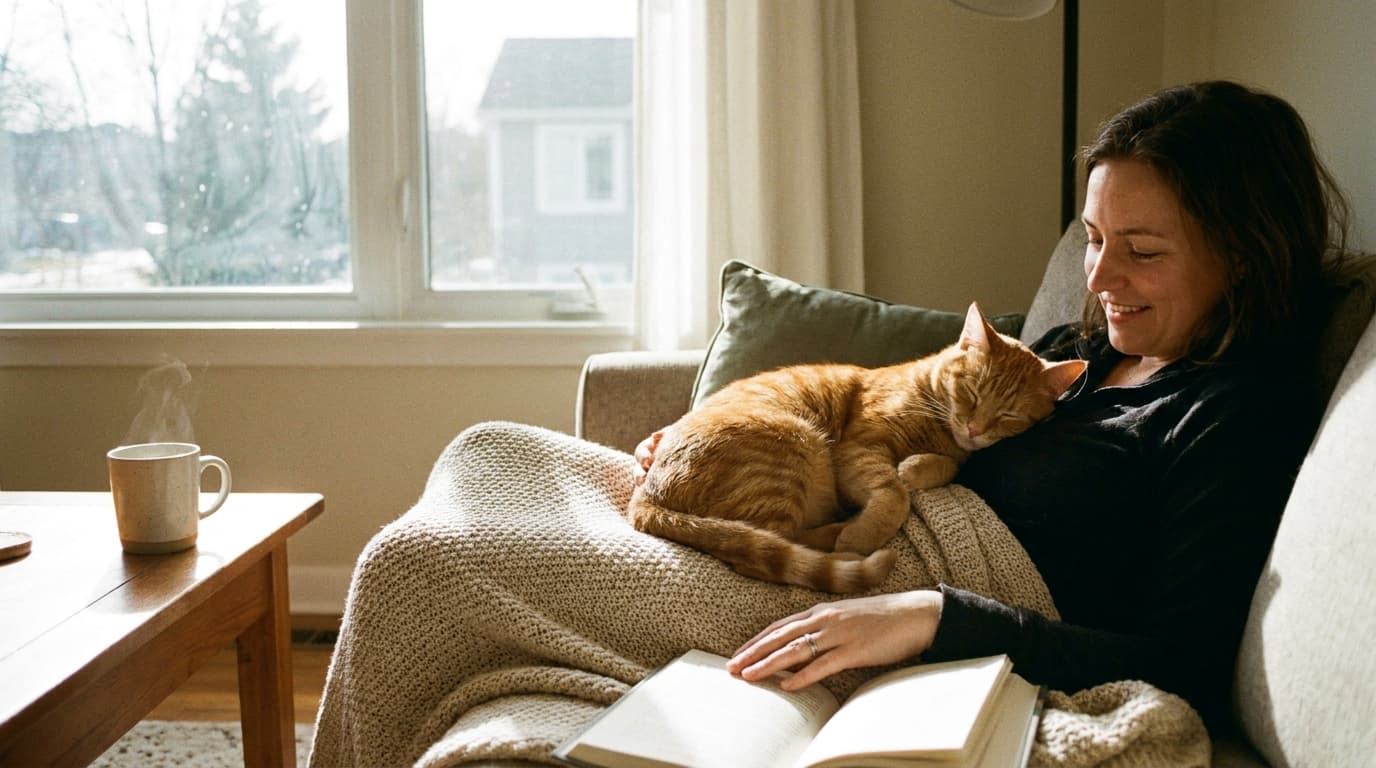
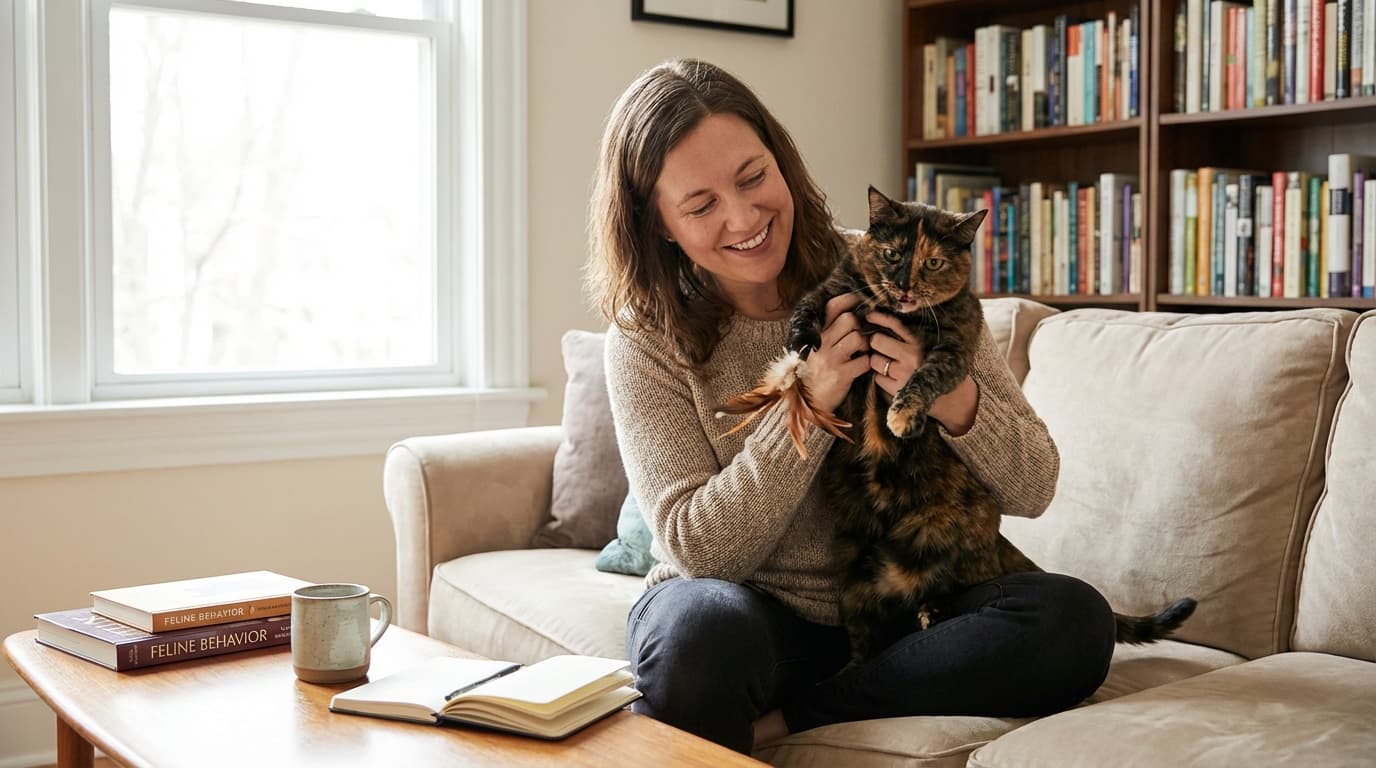
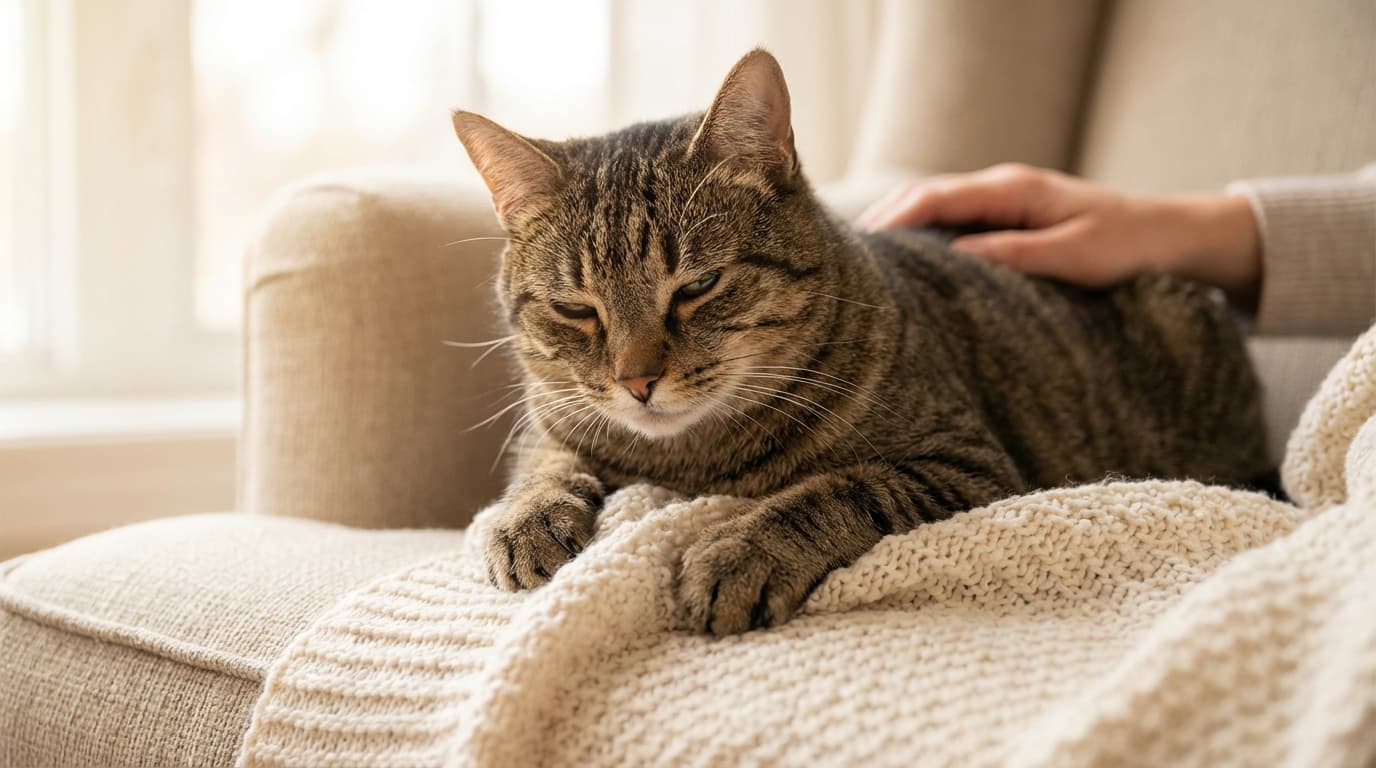
Have you ever settled onto the couch only to have your cat start rhythmically pawing at your lap? This adorable habit, often called making biscuits, is one of the most endearing things a pet can do. When your cat is kneading blankets or your favorite sweater, they are tapping into a deep instinct that goes all the way back to their first days as a kitten.
While it looks like a simple massage, there is real science behind those rhythmic paws. This is a major part of nursing behavior in adult cats and serves as one of their key feline comfort mechanisms. It is also a way for them to claim you as their own using special scent glands in their paws. Understanding why do cats purr and knead helps you see just how much your furry friend trusts you.
We will look at the biological reasons for those love pinches and why some cats get so relaxed they even start to drool. You will also learn how to protect your skin from sharp claws while keeping your cat happy. Let's explore the sweet science behind your cat's favorite way to show affection.
Ever caught your cat rhythmically kneading your favorite blanket like they are preparing a batch of sourdough? We call it making biscuits, but for your cat, it is a deep instinct that goes back to their very first days. Kittens knead their mothers to get milk flowing, and as adults, they recreate this motion to find that same sense of total calm and security.
It is more than just a sweet habit. When those paws start moving, their brains release feel-good hormones like dopamine and oxytocin. They are also marking their territory in a loving way. Cats have tiny scent glands between their toes that leave behind special pheromones, claiming you as their safe space.
If they are purring or even drooling while they work, take it as the highest compliment. You have officially become their favorite person and their most trusted spot to land.
Key insights:
- Kneading triggers the release of oxytocin and dopamine, creating a state of bliss for the cat.
- Scent glands in the paw pads allow cats to mark their favorite people and blankets as safe territory.
- This behavior is a comfort mechanism carried over from kittenhood nursing habits.
The 'Leftover' Habit: Why Kittens Never Truly Grow Up
Have you ever watched your cat go into a trance-like state while rhythmically pawing at your favorite sweater? It is one of the most endearing things they do, often called "making biscuits." But there is a deep-rooted reason your grown-up cat still acts like a tiny kitten. This behavior starts the moment they are born. Kittens use this kneading motion against their mother to stimulate milk flow. It is a survival instinct, but it quickly becomes their first experience of pure safety and full bellies. Even as they grow into independent hunters, cats never really lose that association. When they find a soft surface, their brain flips a switch back to those early days of total security.
It is not just a physical habit; it is a chemical one. Research shows that the rhythmic motion triggers a release of feel-good hormones like oxytocin and dopamine. It is basically a natural high that tells them they are safe. If your cat starts drooling or purring loudly while doing this, they are in a state of total bliss. Think of it as a form of feline yoga, too. The motion stretches the muscles in their shoulders and paws, helping them feel limber after a long nap. The reality is that your cat is not just being cute; they are actively managing their own emotional and physical well-being through this leftover childhood routine.
But why do certain blankets trigger this more than others? Think about the texture of a mother cat’s fur. Soft, plush materials like fleece or wool feel remarkably similar to a kitten's first bed. When your cat sinks their claws into a fuzzy throw, they are recreating that 'Mom' connection to access those calming pheromones from their kittenhood. This is a powerful self-soothing tool that helps them wind down. Beyond the comfort, there is a bit of biology at play in their paws. Cats have scent glands between their toes, and by kneading you or your bedding, they are marking you with their unique scent. It is their way of saying, 'This is my safe place.' By choosing your lap for their biscuit-making session, they are officially labeling you as their favorite person.
Key insights:
- Kneading is a 'comfort mechanism' that persists from kittenhood as a primary self-soothing tool.
- Physical signs like drooling and loud purring indicate a state of extreme relaxation known as 'feline bliss.'
- Soft textures like fleece act as a sensory trigger, reminding adult cats of the safety and warmth of nursing.
- The motion serves a functional purpose by stretching muscles and marking territory with interdigital scent glands.
Recreating the 'Mom' Connection as Adults
Ever wonder why your cat suddenly turns into a tiny baker on your favorite fuzzy blanket? It’s more than just a cute habit. This behavior is a direct callback to their earliest days. Kittens knead their mothers to stimulate milk flow, creating a permanent link between that rhythmic motion and a sense of total security. For an adult cat, recreating this movement is like flipping a switch that returns them to a state of pure, kitten-like contentment.
When your cat finds a soft fleece throw or a chunky knit sweater, the texture acts as a sensory trigger. It takes them right back to the warmth of the litter. This action actually releases a cocktail of feel-good hormones like dopamine and oxytocin. It is a powerful self-soothing tool that helps them relax, which is why you might see your cat looking completely blissed-out or even drooling while they work.
There is a hidden layer to these snuggle sessions, too. While they are rhythmically pushing their paws, they are using scent glands located between their toes to mark their territory. By kneading your lap, your cat is effectively claiming you as their favorite, safest person. It is a beautiful mix of biological instinct and genuine affection that simply says, "I am home."
Key insights:
- Kneading is a biological 'comfort mechanism' that helps adult cats manage stress by mimicking nursing.
- Soft fabrics like fleece are popular targets because they closely mimic the tactile feel of a mother cat's fur.
- The behavior is physically beneficial, acting as a form of feline yoga to stretch paws and shoulder muscles.
More Than Just a Massage: The Secret Science in Their Paws
Have you ever watched your cat go to town on a soft blanket and wondered what is actually going on in that fuzzy head? It looks like a simple rhythmic dance, but there is a lot of history packed into those paws. Long before they had cozy living rooms, wild cats kneaded tall grasses and leaves to create a soft, safe nest for the night. It is an ancient survival skill that has stuck around, turning your sofa or your lap into a hand-crafted bed for a well-deserved nap.
When your cat starts making biscuits on your legs, they are not just getting comfortable; they are actually claiming you. Tucked between those tiny toes are interdigital scent glands that release unique pheromones every time they press down. It is an invisible property tag that tells the world you belong to them. As the team at SHEBA US puts it, by kneading on you, your cat is marking you as their favorite person and a safe place to land. It is a high-level compliment that shows they trust you completely.
This behavior goes deeper than just surface-level marking. The motion triggers a rush of feel-good chemicals like dopamine and oxytocin in their brain. If you notice your cat starting to drool or purr loudly while they work, do not worry - that is just a sign of a blissed-out feline. They have reached a state of total relaxation that takes them right back to the safety they felt as kittens nursing with their mothers. It is a built-in comfort mechanism they carry into adulthood to stay calm and happy.
Think of kneading as the feline version of a morning yoga flow. After a long nap - which is most of their day - cats need to wake up their muscles. This rhythmic pushing stretches out their shoulders and front legs, keeping them limber and ready for action. Even though the most action your cat might see is chasing a feather toy, that predator instinct keeps them focused on staying physically sharp. It is their way of staying flexible and refreshed after a deep sleep.
So, the next time those claws start digging in, remember it is a mix of physical maintenance and deep affection. They are stretching their bodies, marking their territory, and self-soothing all at once. It is a multi-tasking win that leaves them feeling alert and secure. It might be a little prickly for you, but for them, it is the most natural way to say they are home and they are happy.
Key insights:
- Kneading is a functional yoga that keeps a cat's shoulders and front legs limber.
- The behavior releases oxytocin and dopamine, creating a state of extreme relaxation often accompanied by drooling.
- Interdigital scent glands allow cats to mark their favorite humans as safe territory.
- The habit is an evolutionary leftover from wild ancestors who kneaded grass to build sleeping nests.
Scent Glands and Marking Their 'Favorite' Person
Ever wonder why your cat picks your favorite sweater or your bare lap to start making biscuits? It is not just about finding a soft spot. When those paws go pitter-patter, they are actually doing some biological tagging. Cats have tiny scent glands tucked right between their toes. Every time they press down, they release unique pheromones that tell the rest of the world one thing: this human is mine. It is a silent, invisible message of ownership and affection.
Think of it as a fuzzy, rhythmic stamp of approval. This anatomical scent marking happens because the pressure of the kneading motion activates the glands in their paw pads. While it might feel like a simple massage to you, your cat is busy depositing pheromones and marking you as a safe zone. It is a territorial move, but the best kind. They are not just claiming a piece of furniture; they are claiming a person they trust completely.
This behavior is a massive compliment. By turning you into a safe place to land, your cat is signaling total contentment and deep bonding. The motion also triggers a rush of feel-good hormones like oxytocin and dopamine in their system, making the experience just as rewarding for them as it is for you. So, the next time those claws snag your jeans, just remember that you have officially been branded as the favorite.
Key insights:
- Interdigital scent glands between the toes release pheromones during the kneading motion.
- Marking a human with these scents is a biological signal of trust and safety.
- The rhythmic pressure of 'making biscuits' acts as a functional way for cats to claim their territory.
Feline Yoga: Stretching for Physical Readiness
Ever notice how your cat looks like they are in a deep yoga flow while they are working a blanket? It is not just about comfort. When a cat pushes those paws out, they are actually performing a full-body stretch that targets the shoulders and front legs. For a predator - even one that mostly hunts kibble these days - staying limber is a deep-seated survival instinct.
This rhythmic motion does more than just work the muscles. As they press down, cats activate tiny scent glands tucked between their toe pads. This releases unique pheromones that mark their territory, making them feel safe and secure in their space. It is a physical and emotional reset that leaves them feeling incredibly refreshed and alert.
Think of it as a biscuit break that doubles as a warmup. After a good session, you will see them perk up, suddenly ready for their next big adventure. Whether they are preparing for a zoomie session or just another long nap, this feline yoga keeps their body primed and their favorite spot claimed.
Key insights:
- Kneading acts as a functional stretch for a cat's shoulders and paws.
- Scent glands between the toes allow cats to mark their territory during the process.
- The behavior helps domestic cats maintain the physical readiness of their wild ancestors.
The 'Bliss Factor': Why Your Cat Is Purring and Drooling
Ever looked down to find your cat "making biscuits" on your lap, only to realize they’ve left a tiny damp spot of drool on your jeans? It might feel a bit messy, but it’s actually a huge compliment. This term has become a standard way to describe the rhythmic pawing, but the science behind it is even more fascinating. When cats get into that groove, their brains are basically swimming in a cocktail of feel-good chemicals like dopamine and oxytocin. It’s a neurochemical rush that takes them right back to the safety of being a kitten, triggering a state of mind where they feel completely protected and cared for by their favorite human.
This "bliss factor" happens because kneading is a deeply ingrained comfort tool that persists long after they have grown up. While kittens do it to stimulate milk, adult cats use it to recreate that same sense of total security. Sometimes they get so relaxed that their physical reflexes just take a break. That is where the drooling comes in. If your cat is leaking a little spit while they work their paws, it means they’ve reached a level of relaxation so deep that they’ve actually forgotten to swallow. They aren't just happy. They are in a full-blown feline trance.
To tell if your cat has hit peak contentment, look for the "triple threat" of feline joy: rhythmic kneading, a motor-like purr, and those heavy, slow-blinking eyes. This combination shows they feel completely safe in your presence. It’s a behavior that goes way back. Even wild cats knead soft grass or leaves to prepare a spot for a long rest. In your home, they are doing more than just getting comfy. They are using the scent glands located between their toes to mark you as their territory. They aren't just stretching their muscles like a session of feline yoga. They are claiming you as their favorite person and a safe place to land.
When your cat enters this trance-like state, the best thing you can do is stay still and enjoy the moment. It’s a vulnerable time for them, and interrupting it can be a bit of a shock to their system. Think of it as their version of a deep meditation. By letting them finish their biscuit making session, you are reinforcing that bond and letting them know your lap is the safest spot in the world. It is a quiet, slightly drooly sign of trust that proves you have truly made it into their inner circle.
Key insights:
- Drooling during kneading is a physical sign that a cat has reached a state of extreme relaxation or bliss.
- The rhythmic motion of making biscuits releases oxytocin and dopamine, mimicking the comfort of nursing.
- Cats use the scent glands in their paw pads to mark their favorite people as safe territory during these sessions.
- A combination of kneading, purring, and slow blinking indicates a cat feels completely secure in their environment.
How to Tell if Your Cat Is Truly Content
Have you ever seen your cat drift into a rhythmic trance, eyes half-closed and paws working a soft blanket? This isn't just a habit; it's a sign of absolute emotional security. When your cat combines steady kneading with loud purring and those heavy, slow blinks, they are experiencing a rush of feel-good hormones like dopamine and oxytocin. It’s their version of a deep meditation.
Sometimes, you might even notice a bit of drool. While it looks a little silly, it is actually the gold standard for a relaxed feline. They are so comfortable that their muscles - including the ones in their jaw - completely let go. This cat yoga also helps them stretch out their shoulders and legs after a long nap, keeping them limber and ready for action.
If your cat enters this state on your lap, take it as the highest compliment. They are using scent glands in their paws to mark you as their favorite safe place. The best thing you can do? Just stay still, enjoy the heavy purring, and let them finish their session. They will wake up feeling refreshed and deeply bonded to you.
Key insights:
- Drooling during kneading is a sign of extreme physical and emotional relaxation.
- The combination of slow blinking and purring signals a state of total trust.
- Kneading acts as a functional stretch for a cat's shoulder and leg muscles.
Ouch! How to Handle Sharp Claws During Cuddle Time
We have all been there. You are relaxing on the couch when your cat decides your lap is the perfect place to start a rhythmic, needle-sharp massage. While it feels like a tiny acupuncture session gone wrong, this behavior is actually a massive compliment. When cats knead, their brains release oxytocin and dopamine, the same feel-good hormones humans feel when we bond with loved ones. They are essentially telling you that you are their safe space, even if your jeans aren't quite thick enough to handle the enthusiasm.
The physical discomfort comes from a very functional place. Cats have scent glands tucked between their toe pads that release pheromones as they push and pull. By kneading you, they are marking you as their favorite person and claiming you as part of their territory. It is a leftover nursing behavior from kittenhood, and for many adult cats, it leads to a state of total bliss. If you see your cat drooling or purring loudly while they work those paws, they are in a deep state of relaxation that is hard to interrupt without hurting their feelings.
To manage the 'love pinches' without discouraging the bonding, the 'thick blanket' strategy is your best friend. Keep a heavy fleece or sherpa throw nearby to layer over your lap before the biscuit-making begins. This provides a protective barrier for your skin while allowing your cat to fully engage in their natural instincts. It is much better than pushing them away, which can cause confusion and stress. Think of it as setting a soft boundary that lets you both enjoy the moment without the sting.
When choosing the perfect 'biscuit blanket,' texture is everything. Most cats prefer materials like wool or high-pile fleece because these textures mimic the warmth and softness of their mother's belly. Providing a dedicated blanket does more than just save your lap; it offers essential environmental enrichment. When a cat has a specific spot or fabric for kneading, they are less likely to snag your expensive sweaters or the upholstery on your favorite chair.
This behavior also serves as a form of feline yoga, helping cats stretch their shoulder and leg muscles after a long nap. By giving them a designated space for this, you are supporting their physical health and emotional well-to-do. It is a simple way to reduce stress-related behaviors and ensure your cat feels empowered to express their instincts. Whether they are preparing a spot for a nap or just showing you some love, having the right gear makes the experience better for everyone involved.
Key insights:
- Kneading triggers a neurochemical reward system in cats, releasing bonding hormones like oxytocin.
- Scent glands in the paw pads allow cats to mark their owners as safe territory during the process.
- Using dedicated textiles like sherpa or wool protects furniture and provides necessary environmental enrichment.
- Physical signs like drooling and rhythmic purring indicate a cat is in a state of 'extreme bliss' or deep relaxation.
Picking the Right 'Biscuit Blanket'
Why does your cat ignore their fancy bed but obsess over that one fuzzy throw? It usually comes down to texture. Cats love soft fabrics like sherpa or wool because they mimic the warmth and feel of their mother. This isn't just a cute habit; it's a deep-seated comfort mechanism. When they knead these 'biscuit blankets,' their brains release feel-good hormones like oxytocin and dopamine. It is a moment of pure bliss.
Giving your cat a dedicated blanket also saves your furniture. Since cats have scent glands in their paws, they use kneading to mark territory with pheromones. If they have a specific spot to claim, they are much less likely to snag your sofa or your jeans. Think of it as environmental enrichment that doubles as feline yoga, helping them stretch their muscles while staying calm, happy, and relaxed.
Key insights:
- Soft textures like sherpa mimic the nursing experience, triggering a hormonal reward.
- Providing a 'biscuit-only' blanket protects furniture while allowing cats to mark territory via paw scent glands.
- Kneading acts as a physical stretch and a stress-reduction tool for indoor cats.
When 'Making Biscuits' Changes: What Owners Should Notice
Most of the time, watching your cat 'make biscuits' is the highlight of a lazy afternoon. It is that rhythmic, happy motion that tells you they are totally at peace. But what if the rhythm changes? If your female cat suddenly starts kneading more often or with a strange intensity, she might be in heat. This shift in behavior is pretty common as her body reacts to hormonal changes, turning a standard comfort move into something much more frantic and persistent.
You should also keep an eye out for kneading that feels obsessive rather than relaxing. While it is usually just a yoga session to stretch muscles or a way to mark you with their paw scent glands, excessive kneading can sometimes signal stress. If they are digging in with a desperate energy or if the behavior is paired with loud, constant crying, they might be trying to self-soothe through a tough time. It is like they are over-relying on those feel-good hormones, like dopamine and oxytocin, to handle hidden anxiety.
So, when is it time to call the vet? If the kneading is accompanied by hiding, a loss of appetite, or if they seem unable to settle down no matter how many blankets they paw, a professional check-up is a smart move. While making biscuits is almost always a sign of a blissed-out feline, any sudden, drastic change in their favorite habit is worth a closer look. After all, you know your cat's normal better than anyone else, and trusting your gut is part of being a great pet parent.
Key insights:
- Sudden intensity in female cats often signals a heat cycle.
- Frantic kneading can be a self-soothing response to high stress or anxiety.
- Consult a vet if behavioral shifts are paired with hiding or a lack of appetite.
Frequently Asked Questions
You'll often find that your cat is very picky about where they choose to 'make biscuits' because the texture matters a lot to them. Most cats prefer soft, plush, or fleecy blankets because these materials mimic the feel of their mother's belly. It's a leftover habit from when they were tiny kittens nursing, and picking that specific blanket helps them recreate that sense of total security.
There is also a hidden technical reason for this behavior. Cats have small scent glands tucked between their toes that release pheromones when they press down. By kneading a specific blanket, they are actually marking it as their own safe territory. It's their way of saying this spot is officially home.
It might be a little messy, but drooling during a kneading session is actually a sign of a very happy cat. When cats get into that rhythmic 'biscuit-making' groove, they often enter a state of pure bliss and extreme relaxation. They get so relaxed that their mouth muscles loosen up, and they simply forget to swallow.
Think of it as a physical manifestation of their comfort. This often happens alongside loud purring and slow blinking, which are all signs of a 'blissed-out' feline. So, while you might need a towel nearby, take it as a huge compliment that your cat feels safe enough to completely let go around you.
It is mostly because of a habit they picked up as tiny kittens. When they were nursing, they would knead their mother to help the milk flow. Even though they do not need the milk anymore, the motion stays with them as a way to show they feel safe and totally relaxed.
Think of it as a built-in stress reliever. Doing this biscuit-making motion releases happy hormones like oxytocin and dopamine in their brains. So, when your cat starts pawing at your favorite sweater, they are basically telling you they feel as comfortable as they did when they were nursing.
The best way to handle those sharp claws is to keep a thick, dedicated blanket nearby. When your cat starts looking for a spot to settle in, just tuck the blanket over your lap first. This lets them follow their instincts without leaving you with scratches.
You can also keep their nails trimmed to dull the tips, but try not to discourage the kneading itself. Since cats have scent glands in their paws, they are actually marking you as their favorite person. If it gets too painful, you can gently move them to a soft cat bed or a pillow where they can stretch their muscles and mark their territory in peace.
Conclusion
So, what is the bottom line on all those rhythmic paws? Kneading is a beautiful blend of biology and affection, moving from the nursing behavior in adult cats to the scent glands in cat paws that mark you as their own. It is much more than just a quirky habit. It is a sign of total security and happiness that shows your pet feels safe enough to let their guard down completely.
Knowing why cats purr and knead helps us see these moments for what they really are: a deep emotional bond rooted in their earliest memories. It is a unique way for them to stay limber while telling the world that you belong to them. When your cat enters that trance-like state, they are experiencing pure feline bliss and sharing their highest level of trust with you.
If your cat gets a bit too enthusiastic with their claws, try keeping a thick fleece throw nearby to make the experience comfortable for both of you. Cherish these little biscuit sessions whenever they happen. There is really no better compliment than a happy cat choosing your lap for the most relaxing part of their day.
Send it to someone who should read it next.

PurrScript Editorial Team
Editorial Team
PurrScript's in-house editorial team. We research, write, and review every guide using established veterinary and behavioral resources, and update articles as best practices evolve.
View all articles