Why Your Kitten Hates Their Litter Box (And How to Fix It Fast)
Did you know that litter box trouble is the top reason cats end up in shelters? It's a tough reality when your new fluffball treats your laundry like a bathroom....

PurrScript Editorial Team
Editorial Team
Why Your Kitten Hates Their Litter Box (And How to Fix It Fast)
Did you know that litter box trouble is the top reason cats end up in shelters? It's a tough reality when your new fluffball treats your laundry like a bathroom. If you're cleaning up kitten litter box accidents, you aren't alone. Your kitten isn't being difficult on purpose. They're likely just struggling with a box that's too high or a texture that hurts their paws.
Picking the best litter for kittens is the first step toward a happy home. This guide covers how to choose a kitten-safe clumping litter and why low-entry litter boxes are a total game changer. We'll also talk about using attractant litter for kittens to spark their natural instincts and keep them in the right spot.
You'll get a simple plan on how to potty train a kitten without the stress. We're looking at paw sensitivity, setup hacks, and maintenance rules that keep the box inviting. By the end, you'll have the tools to stop the accidents and build a routine that lasts.
The High Stakes of the Little Green Box
Imagine a tiny, fluffy kitten losing its home just because it won't use a plastic box. It sounds harsh, but it's a heartbreaking reality. Non-use of the litter box is actually the top behavioral reason cats are abandoned or sent to shelters. This isn't just a minor mess or a nuisance; for many cats, it's the difference between a cozy couch and a cold cage. This matters because most of these issues are entirely preventable with the right approach.
The stakes are highest during that critical window between 8 weeks and 1 year. This is when your kitten is learning what feels right under their paws. If the texture is too rough or the box is hard to find, they'll look for a softer spot - like your laundry pile or a rug. It's a developmental phase that requires a bit of strategy and the right materials to ensure they feel safe and comfortable.
We have waded through over 1,100 hours of research to figure out what actually works for these tiny explorers. The goal is simple: making the litter box the most inviting place in the house. We'll show you how to choose the right litter, set up their space like a pro, and stop accidents before they even start. Let's make sure your kitten stays right where they belong.
Why 'Baby' Paws Need Special Treatment
Imagine walking barefoot across a floor covered in sharp plastic blocks every time you had to use the bathroom. That is essentially what a kitten feels when they are forced to use a litter with rough, oversized granules. Their tiny paw pads are incredibly tender and have not developed the callouses of an adult cat. This sensitivity is why texture is usually the make or break factor for litter box compliance. Recent findings from Dr. Elsey’s show a sobering reality: litter box aversion is the primary reason cats are abandoned or placed in shelters. It is a high stakes game that starts the moment you bring them home. After looking at 1175 hours of research on various brands, it is clear that the best cat litter for kittens must prioritize a soft feel. For kittens between 8 weeks and 1 year old, the physical sensation under their toes determines whether they feel safe or stressed.
The Pine Pellet Problem: Why Your Kitten Might Be Avoiding Them Many owners choose pine pellets because they are natural and smell like a forest, but they can be a nightmare for a small kitten. Consider the experience of foster kitten owners who report their cats suddenly avoiding the box. In one case, a five week old kitten stopped using the box entirely because the hard pellets were too painful for her paws. Instead of digging in the litter, she started looking for soft blankets and cozy rugs to do her business. This is not a behavior problem because it is actually a comfort problem. When we compare granule sizes, the rough texture of wood pellets often leads to foster kitten aversion. If you see your kitten perched on the edge of the box or avoiding it for softer surfaces, the texture is likely the culprit and they are trying to tell you the floor hurts.
Soft Granules vs. Rough Textures To encourage natural digging behavior, the litter needs to mimic the soft, sandy soil a cat would use in the wild. Brands like SmartCat use grass based formulas to create a soft texture, while others like Dr. Elsey’s Kitten Attract use specifically ground clay granules. This paw friendly approach ensures the kitten feels secure enough to dig and bury their waste properly. Beyond the texture, the process matters too. You should maintain a depth of 3 to 4 inches so the kitten can fully engage their instincts without hitting the hard plastic bottom. Adding a natural herbal attractant can also pique their curiosity, turning the box from a scary place into an inviting one. By focusing on these soft textures, you are setting the foundation for a lifetime of good habits.
Key insights:
- Kitten paw pads are far more sensitive than adult pads, making texture the top priority for box training success.
- Hard materials like pine pellets can cause physical pain, driving kittens to seek out softer surfaces like blankets.
- A depth of 3 to 4 inches of fine-grain litter is necessary to satisfy a kitten's natural instinct to bury waste.
- Using litters with natural herbal attractants can significantly reduce accidents during the first year of life.
The Pine Pellet Problem: Why Your Kitten Might Be Avoiding Them
Ever wonder why your kitten treats your favorite fleece blanket like a bathroom but acts like their pine pellets are made of hot coals? It comes down to those tiny, tender paw pads. For a kitten under a year old, walking on large, hard pellets is like us walking barefoot on a gravel driveway. It hurts. When the box feels painful, they naturally seek out the softest spot in the house - usually your rug or a cozy cat cave.
This is a serious hurdle. Since litter box aversion is the top reason cats end up in shelters, getting the texture right is vital. Foster parents often report kittens striking against hard pellets, preferring to hide in crevices instead of stepping on the rough wood. To fix this, look for a kitten-safe clumping litter with a fine, sandy texture. Options like grass formulas or specifically ground clays are much easier on sensitive feet than chunky wood.
If you are dealing with kitten litter box accidents, try switching to these smaller granules and keeping the depth at 3 to 4 inches. Adding an attractant litter for kittens with natural herbs can also help guide them back. The goal is simple: make the box the softest, most inviting place in the room. A little comfort goes a long way in successful potty training.
Key insights:
- Kittens often avoid pine pellets because the large, rough texture is painful for their sensitive developing paw pads.
- Litter box non-use is the leading behavioral reason cats are abandoned, making proper texture selection a safety priority.
- Switching to fine-grain or grass-based litters mimics the soft surfaces kittens naturally prefer, like blankets and rugs.
Soft Granules vs. Rough Textures
Imagine walking across a jagged gravel path without shoes. That is exactly how rough litter feels to a tiny kitten with brand-new paw pads. While we might like the smell of pine pellets, many kittens find those large chunks painful to stand on. If it hurts to dig, they will quickly look for a softer spot, like your favorite rug or a pile of clean towels.
This discomfort is a big deal. Data shows that litter box aversion is the main reason cats are abandoned or sent to shelters, so getting the texture right early is a literal lifesaver. Experts note that the best kitten litters are always gentle on sensitive paws to prevent accidents before they start.
To encourage natural digging, stick to fine, soft granules. Some brands use grass to keep things light, while others are ground specifically for paw-friendly comfort. Keeping the box filled with 3 to 4 inches of soft material allows them to follow their instincts. When the texture feels right, the training usually follows.
Key insights:
- Rough textures like pine pellets can cause kittens to seek out softer surfaces like blankets for pottying.
- Litter box non-use is the leading behavioral reason cats are surrendered to shelters.
- A litter depth of 3 to 4 inches is ideal for encouraging natural digging behavior in kittens.
Picking the Right Stuff: What Makes a Litter 'Kitten-Safe'?
Think of your kitten as a tiny, furry explorer who uses their mouth to understand the world. During this stage, traditional clay clumping litter can actually be dangerous. If a curious kitten swallows those little granules, they can swell up inside their stomach and cause major health issues. This is why many experts suggest waiting until your kitten is at least eight weeks old before switching to standard clumping clay. Recent research from Cats.com, which involved over 1100 hours of testing, emphasizes that the best litter is non-toxic and low in dust. For kittens between eight weeks and one year old, you need something specifically formulated for their size and habits. It is also about how the litter feels. Kittens have incredibly tender paws. If the texture is too rough or sharp, they might start looking for softer places to go, like your favorite rug or a pile of laundry. Keeping the litter at a depth of 3 to 4 inches helps them feel secure while they dig.
The trend for 2025 is clearly moving toward sustainable, plant-based materials like corn, wood, and grass. These are not just better for the planet, but they are often much safer if your kitten decides to take a taste test. For instance, SmartCat is made entirely from grass and provides a soft, sandy texture that kittens usually love. One of the biggest mistakes people make is trying to hide smells with heavy perfumes or synthetic fragrances. Kittens have sensitive noses, and a strong floral scent can actually drive them away from the box. Instead, look for brands that use activated charcoal to trap odors naturally. You might also consider litters with natural herbal attractants. These herbs act like a little signal that piques a kitten's curiosity and helps them learn where to go. Remember, the stakes are high. Statistics show that litter box issues are the main reason cats are abandoned or sent to shelters. Choosing a natural, paw-friendly material and keeping the box clean is the simplest way to make sure your kitten stays happy and stays home.
Key insights:
- Kittens between 8 weeks and 1 year benefit most from specialized attractant litters.
- Texture is a deal-breaker for kittens with sensitive paws, often leading to box aversion.
- Plant-based litters like grass or corn offer a safer, non-toxic alternative to clay.
- Avoid synthetic perfumes and use activated charcoal for more effective, cat-friendly odor control.
The Truth About Clumping Litter and Tiny Tummies
Ever watch a kitten explore? They do not just use their paws; they use their mouths. This taste-test phase is exactly why traditional clumping clay litter is a big no-go for very young kittens. If a tiny cat swallows clay that expands, it can cause dangerous internal blockages. Most experts suggest waiting until your kitten is at least eight weeks old before even thinking about clumping formulas. Before that, stick to non-clumping options to keep those tiny tummies safe while they learn the ropes.
Once they hit that two-month mark, you are not stuck with dusty clay. Modern options like SmartCat, which is made entirely from grass, offer a clumping effect without the same ingestion risks as heavy minerals. Look for labels that mention kitten-safe or natural materials like corn or wood. These plant-based litters are often softer on sensitive paws, too. Remember, if the texture feels like walking on sharp rocks, your kitten might decide your laundry pile is a better place to go.
It is also about the attraction factor. Since litter box issues are a leading reason cats end up in shelters, getting it right early is vital. Products like Dr. Elsey’s Kitten Attract use herbal scents to draw them in. Just make sure you are maintaining a depth of 3 to 4 inches. This gives them enough room to dig and bury, satisfying their natural instincts without the mess or the danger. What does this mean for you? A safer kitten and a much cleaner floor.
Key insights:
- Wait until at least 8 weeks of age before introducing clumping clay litters.
- Natural grass or corn-based litters provide a safer clumping alternative for curious kittens.
- Maintaining a litter depth of 3 to 4 inches encourages natural digging and reduces accidents.
Grass, Corn, and Wood: Natural Alternatives That Actually Work
Ever wonder why grass-based litters like SmartCat are suddenly everywhere? It isn’t just a trend for eco-conscious owners. These plant-based options are a game-changer because they are soft on tiny, sensitive paws and safer if a curious kitten takes a nibble. Since modern formulas use everything from sustainable wood fibers to whole kernel corn, you don’t have to settle for dusty clay. It is about finding a texture that feels natural to them while keeping your cleanup easy.
But let’s talk about the smell. Many of us reach for heavy perfumes to mask odors, but those synthetic scents can actually drive a kitten away from the box. Brands like Tuft & Paw are swapping out flowery sprays for activated charcoal. It traps the stink instead of just covering it up. This is a much smarter approach because it keeps your home fresh without overwhelming your kitten’s delicate nose or causing them to look for a different place to go.
This matters more than you might think. We know that litter box trouble is the primary behavioral reason cats are abandoned or placed in shelters. Choosing a natural material your kitten actually likes is one of the best ways to ensure they stay part of the family for the long haul. When the litter feels right and doesn’t smell like a chemical factory, everyone wins.
Key insights:
- Plant-based materials like grass and corn are often preferred by kittens because the texture is gentler on their tender paw pads than traditional clay.
- Activated charcoal is a more effective odor neutralizer than synthetic fragrances, which can often cause litter box aversion in sensitive cats.
- Switching to natural alternatives can reduce the risk of respiratory issues caused by the heavy dust found in many conventional clay litters.
The Secret Weapon: How Herbal Attractants Work
Did you know the biggest reason cats lose their homes isn't because they're mean or loud? It's actually because they stop using their litter box. That is a heartbreaking reality, but it highlights why getting those early training days right is so vital. When your kitten is between 8 weeks and a year old, they are basically tiny explorers trying to figure out the rules of your house. This is where attractant litter becomes your secret weapon. It is not some high-tech chemical; it is usually a blend of natural herbs that speak a kitten's language.
Think of these herbal attractants as a 'this way to the restroom' sign for your cat's nose. Kittens have an incredible sense of smell and a natural curiosity about earthy, plant-like scents. While we might just smell a faint, pleasant aroma, your kitten smells a familiar, safe spot that triggers their instinct to dig. Brands like Dr. Elsey’s Kitten Attract use these specific scents to pique that curiosity, making the box the most interesting place in the room for a kitten to do their business.
To make this work, you also need to get the feel right. Experts at Cats.com spent over a thousand hours researching litters to find that texture matters just as much as smell. For the best results, keep that herbal-scented litter about 3 to 4 inches deep. This gives your kitten plenty of room to paw around without hitting the bottom of the tray. By combining the right scent with a soft, deep texture, you are not just training them; you are making the litter box the most natural choice they have. It turns a potential struggle into a simple, instinctual habit.
Key insights:
- Herbal attractants use a kitten's natural curiosity to reinforce where the bathroom is located.
- Maintaining a litter depth of 3 to 4 inches is a critical part of the training process.
- Kitten-specific litters are designed for the crucial developmental window of 8 weeks to 1 year.
Setting Up the 'Perfect' Bathroom
Think about where you would want to go if you were a tiny, vulnerable kitten. Probably not right next to a clanging washing machine or in a high-traffic hallway where people are constantly tripping over you. Finding the right spot is the first step in avoiding those frustrating kitten litter box accidents. You want a place that is private enough for them to feel safe but accessible enough that they do not have to go on a quest to find it. If it is too far away, they might just decide the rug is a better option.
Once you have picked the spot, how you fill the box is just as important as where it sits. There is a specific sweet spot for depth. Aim for about 3 to 4 inches of litter. This gives those happy diggers enough room to bury their business without feeling like they are sinking into quicksand. Keep in mind that kittens have incredibly tender paws, so the texture of the litter matters more than you might think. Many owners find success with something like Kitten Attract, which is made specifically for kittens between 8 weeks and a year old and uses natural herbal scents to draw them in. Also, do not forget the golden rule of maintenance: scoop at least twice a day. A dirty box is the fastest way to turn a well-trained kitten into a box-shunner.
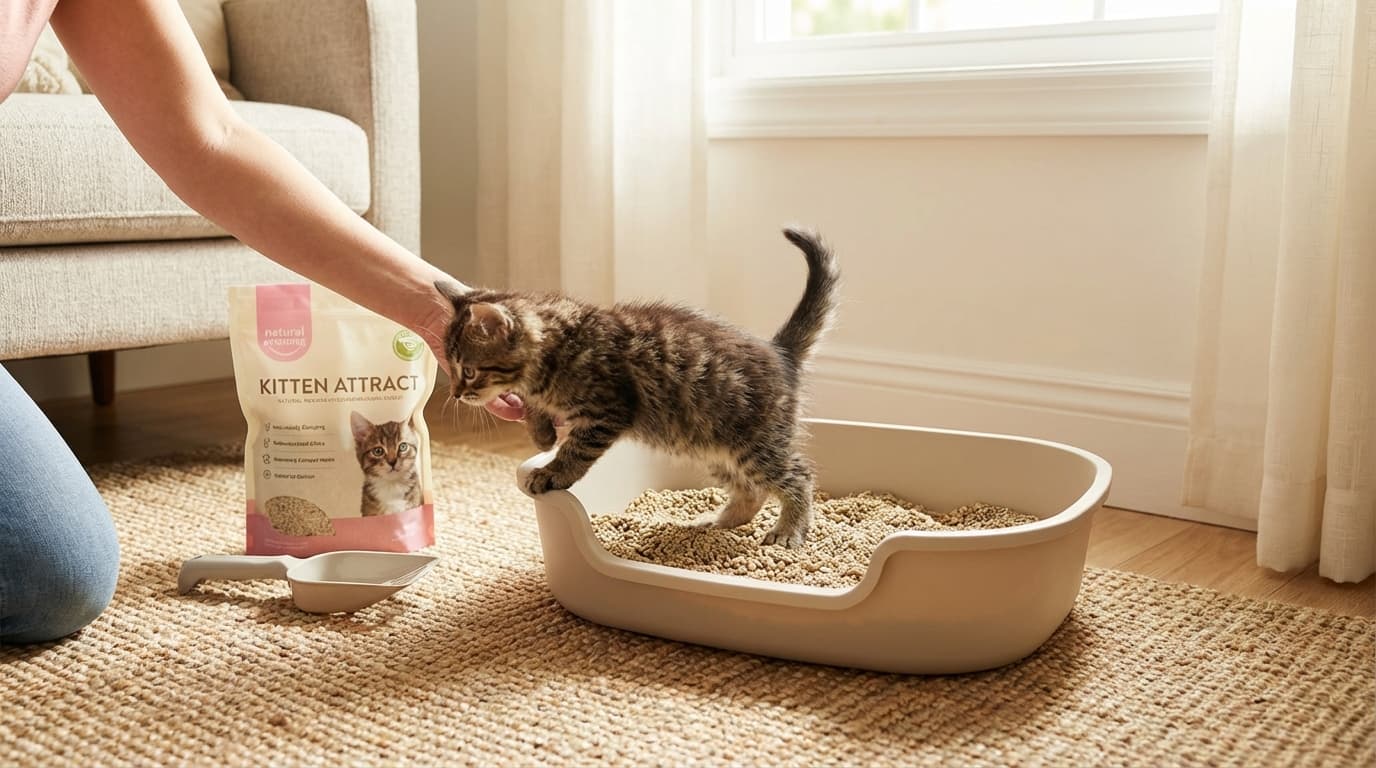
Now, let us talk about the box itself. If you are using a standard high-sided box, your kitten might literally be struggling to climb inside. Imagine trying to scale a waist-high wall every time you needed the restroom. It is exhausting! This is why a low-entry litter box is a total game changer for kittens with short legs. It removes the physical barrier to entry, making it easy for them to hop in and out. If you are not ready to buy a new one yet, you can try some simple DIY hacks, like cutting a 'U' shape into the side of a plastic storage bin. Just make sure the edges are smoothed down so they do not catch on fur or skin.
As your kitten grows, you will eventually need to upgrade to a full-sized adult box, but do not rush it. The goal right now is building a positive habit. The stakes are actually quite high here because research shows that litter box issues are the primary behavioral reason cats end up in shelters or abandoned. It is a heartbreaking statistic, but it is also preventable. By focusing on soft textures like grass-based or finely ground clay litters and keeping the box inviting, you are setting your cat up for a lifetime of good habits. What does this mean for you? A cleaner house and a much happier bond with your new tiny roommate.
Key insights:
- Kittens have very sensitive paws, so look for soft, paw-friendly textures like grass or fine clay to avoid box aversion.
- Maintaining a consistent 3 to 4 inch depth allows kittens to perform their natural digging and burying behaviors comfortably.
- Herbal attractants can be a secret weapon for training, especially during the critical window between 8 weeks and one year.
Why a Low-Entry Box is a Game Changer
Imagine being only five inches tall and facing a plastic wall at chest height every time you need the bathroom. For a kitten with tiny legs, a standard high-sided litter box is an obstacle course rather than a bathroom. If the climb feels too steep, they’ll simply find a flatter, easier spot - like your rug. Since litter box non-use is a primary reason cats are sadly abandoned or placed in shelters, making the entrance accessible is a huge win for their long-term happiness.
You don’t need a fancy setup to fix this right away. A great DIY hack is cutting a wide 'U' shape out of the side of a plastic storage bin or even using a sturdy, high-rimmed tray for the first few weeks. Just make sure the entry is low but the other sides can still hold 3 to 4 inches of litter. This depth is the magic number for kittens to dig and bury naturally without making a mess on your floors.
So, when do you ditch the starter box? Keep the low-entry setup until your kitten is closer to their first birthday. Once they have the height and coordination of an adult, they can graduate to a full-sized box without the risk of accidents.
Key insights:
- Low-entry boxes prevent kittens from seeking easier, flatter surfaces like rugs.
- A 3-4 inch litter depth is essential even in shallow or DIY modified boxes.
- Wait until the one-year mark before transitioning to a standard adult-sized litter box.
Dealing with Accidents Without Losing Your Mind
Finding a wet spot on your favorite rug is enough to make anyone frustrated. But before you assume your kitten is being spiteful, take a breath. Kittens do not use the bathroom outside their box to get back at you. Most of the time, they are trying to tell you something is wrong with their setup. It might be that the litter feels like walking on sharp rocks or the box just is not clean enough. This changes everything when you realize they are just uncomfortable.
Cleanliness is a huge deal for these tiny creatures. If the box is not scooped at least twice a day, your kitten might look for a cleaner spot, like your laundry pile. Also, pay attention to the depth. You should keep about 3 to 4 inches of litter in the box so they can dig and cover properly. If you use a litter that is too rough, like some pine pellets, your kitten might prefer the soft feel of a rug instead. Their paws are incredibly tender, so texture is everything.
When accidents happen, act fast to break the cycle. If a kitten can still smell their previous mistake, they will keep going back to that spot. Use a cleaner that actually breaks down odors to remove the scent trail. This is more than just a chore. Since litter box issues are the main reason cats end up in shelters, getting this right early on is vital. You might even try a litter with herbal attractants to help them stay on track.
Key insights:
- Kittens avoid the box because of physical discomfort or dirtiness, not bad behavior.
- Maintaining a depth of 3 to 4 inches of soft litter prevents kittens from seeking out blankets or rugs.
- Removing the scent trail with specific cleaners is essential to stop repeat accidents in the same spot.
5 Steps to Painless Potty Training
Did you know that skipping the litter box is the number one behavioral reason cats end up in shelters? It sounds heavy, but getting the potty talk right early on is a literal lifesaver. To keep things painless, start by watching the clock. Kittens usually need to go about 15 minutes after eating. If you make it a habit to gently place them in their box right after every meal, you are setting them up for a win before they even realize they have to go.
You also need to act like a detective. If you see your kitten sniffing the floor, circling a rug, or scratching at a corner, they are giving you a red alert that they need to go right now. Pick them up calmly and lead them to their spot. Once they finish, give them plenty of praise. Never resort to punishment for kitten litter box accidents. Scolding only teaches them to hide their business under the bed next time, which is a much harder problem to fix.
Finally, check your setup. Expert Kate Barrington points out that the best litter for kittens is non-toxic and gentle on sensitive paws. Their paw pads are brand new, so if the texture is too rough, they will avoid the box entirely. Fill a low-entry box with 3 to 4 inches of litter. Using an attractant litter for kittens with natural herbs can help pique their curiosity and guide them home. When the box feels good and smells right, how to potty train a kitten becomes a much shorter conversation.
Key insights:
- Kittens need a soft, fine-grain texture because their paw pads are extremely sensitive to rough materials like pellets.
- Maintaining a consistent 3 to 4 inch depth helps kittens feel secure and allows for natural burying behavior.
- Positive reinforcement builds trust, while punishment often leads to litter box aversion and hidden accidents.
Final Thoughts: A Little Patience Goes a Long Way
Setting up a litter box might feel like just another chore, but it is actually one of the most important things you will do for your new friend. It is a sad reality that litter box issues are the main reason cats are often abandoned or sent to shelters. This really shows why getting the texture and setup right from the start matters so much for their safety and your sanity.
Think about those tiny, sensitive paws. They need something soft, like grass-based litters or the specially ground grains found in training formulas. Make sure to keep the box filled with three to four inches of litter so they can dig and hide their business comfortably. If they have an accident, do not get discouraged. Most kittens just need a little guidance and a surface that does not hurt their feet.
With a bit of patience, those early messes will soon be a distant memory. You are building a bond that lasts. A well-trained cat is a happy cat, and your hard work now ensures a clean home for years to come.
Frequently Asked Questions
You should generally wait until your kitten is at least 3 or 4 months old before you make the switch. Before this age, kittens are basically tiny toddlers who explore everything with their mouths. If they swallow clumping clay litter, it can expand in their stomach and cause a really scary blockage.
Once they get past that phase where they try to eat everything in sight, you can start introducing clumping options. Some people like to use specialized training litters, like Dr. Elsey's, which are made for kittens between 8 weeks and 1 year old. Just keep a close eye on them during the first few days of the transition to make sure they aren't treating the new litter like a snack.
It's mostly just curiosity. Kittens use their mouths to learn about the world, and sometimes that includes tasting their bathroom. But yes, it can be dangerous, especially with clay-based clumping litters. These are designed to swell up when they get wet, which is great for cleaning but bad for a kitten's digestive tract.
If you have a kitten that won't stop nibbling, you might want to look into natural alternatives made from grass, corn, or wood. These are often safer if a tiny bit gets swallowed. Also, make sure you're keeping the box clean with about 3 to 4 inches of litter so they stay focused on using it correctly rather than playing with it. If they keep eating it despite your best efforts, it's worth asking your vet if they might be missing some nutrients in their diet.
You really need two boxes for a single kitten. The standard rule is one box per cat plus an extra one for good measure. This might feel like a lot for one tiny pet, but it helps avoid accidents. Since not using the box is the top reason cats end up with behavioral problems or in shelters, giving them a backup choice is a smart move.
Most kittens like to separate their business, using one box for peeing and the other for pooping. Having two spots also means if one gets a little dirty before you can scoop it, your kitten still has a clean place to go.
It is usually better to stay away from scented litters for kittens. Their noses are way more sensitive than ours, so those heavy perfumes can be really overwhelming for them. If a box smells too much like artificial flowers, your kitten might decide to find a different, less smelly spot to go, like your rug or a pile of laundry.
Focus on finding something low in dust and soft on their paws instead. If you are worried about smells, look for litters that use things like activated charcoal to soak up odors naturally. This keeps the air fresh without bothering your kitten's nose.
Conclusion
So, what is the secret to a happy, house-trained kitten? It usually comes down to looking at the world from their tiny perspective. When you combine low-entry litter boxes with the best litter for kittens - something soft on their paws and safe if they take a curious nibble - you are removing the biggest hurdles to their success. It is not just about the gear; it is about making the bathroom a place they actually want to be.
Using tools like attractant litter for kittens can turn a confusing training phase into a natural habit. Those early weeks are a big learning curve for both of you, but the effort pays off. Dealing with kitten litter box accidents with patience rather than frustration keeps your bond strong while they figure out the rules of the house.
Your next move is simple: check their setup today. If the sides of the box are too high or the litter feels like gravel, a quick swap could be all it takes to stop the accidents for good. With a little bit of prep and the right kitten-safe clumping litter, you are well on your way to a lifetime of easy cleanup and a very happy cat. You have totally got this.
Send it to someone who should read it next.

PurrScript Editorial Team
Editorial Team
PurrScript's in-house editorial team. We research, write, and review every guide using established veterinary and behavioral resources, and update articles as best practices evolve.
View all articles