What Age to Separate Kittens, Common Health Problems, and Essential Care Tips
You likely have questions like Kittens: what age can kittens be separated from mother, what are common kitten health problems to watch for, when do kittens start using the litter...

James Miller
Certified Cat Behaviorist
What Age to Separate Kittens, Common Health Problems, and Essential Care Tips
You likely have questions like Kittens: what age can kittens be separated from mother, what are common kitten health problems to watch for, when do kittens start using the litter box, how often do young kittens need to eat, how to care for a newborn kitten without a mother. Ideally, keep kittens with their mom for eight to twelve weeks.
These early weeks are a critical window where immune systems and social habits form. Getting these basics right helps ensure your new pet grows up healthy and well-adjusted.
This guide walks you through every milestone, from bottle-feeding schedules to spotting sickness, so your little furball thrives.
Table of Contents
- What Age Can Kittens Be Separated From Their Mother?
- How to Care for a Newborn Kitten Without a Mother
- How Often Do Young Kittens Need to Eat?
- When Do Kittens Start Using the Litter Box?
- What Are Common Kitten Health Problems to Watch For?
- Final Steps for Growing Kittens
- Frequently Asked Questions
- Conclusion
What Age Can Kittens Be Separated From Their Mother?
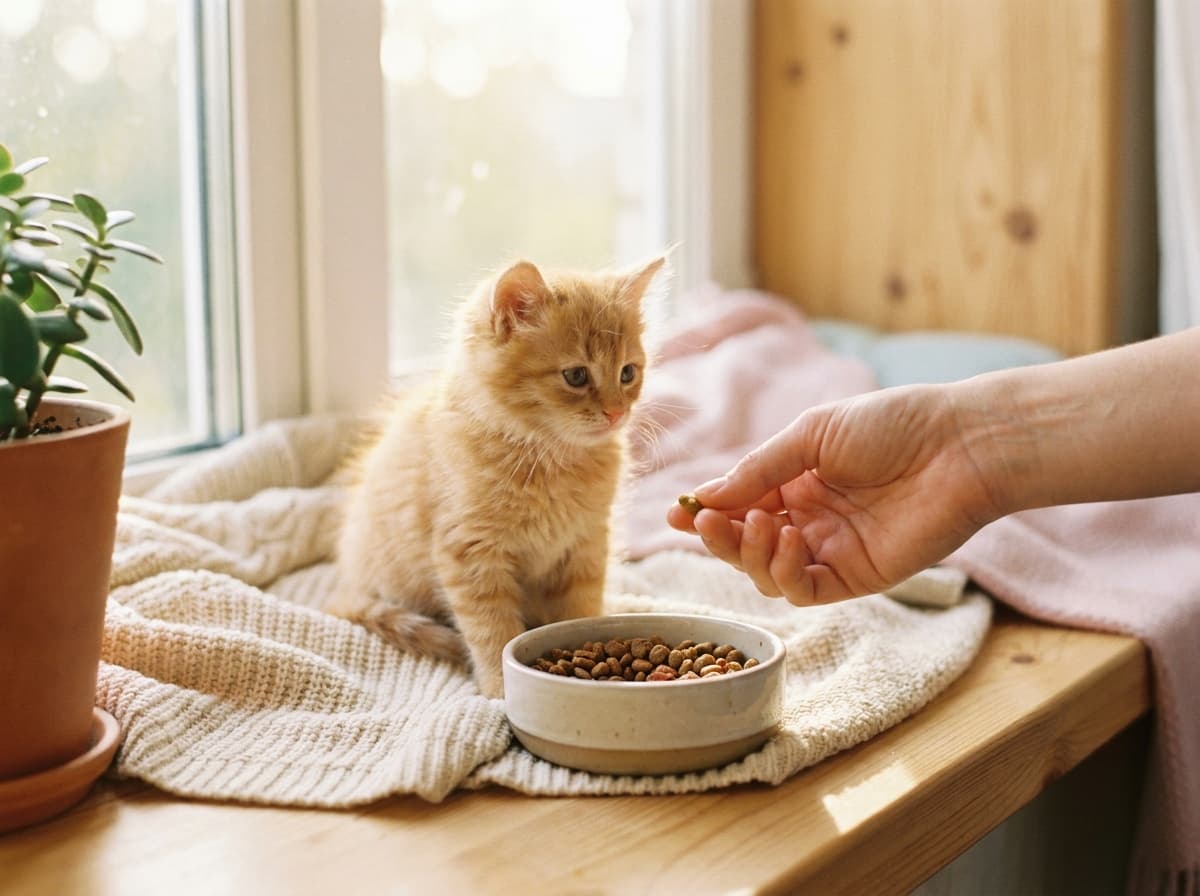
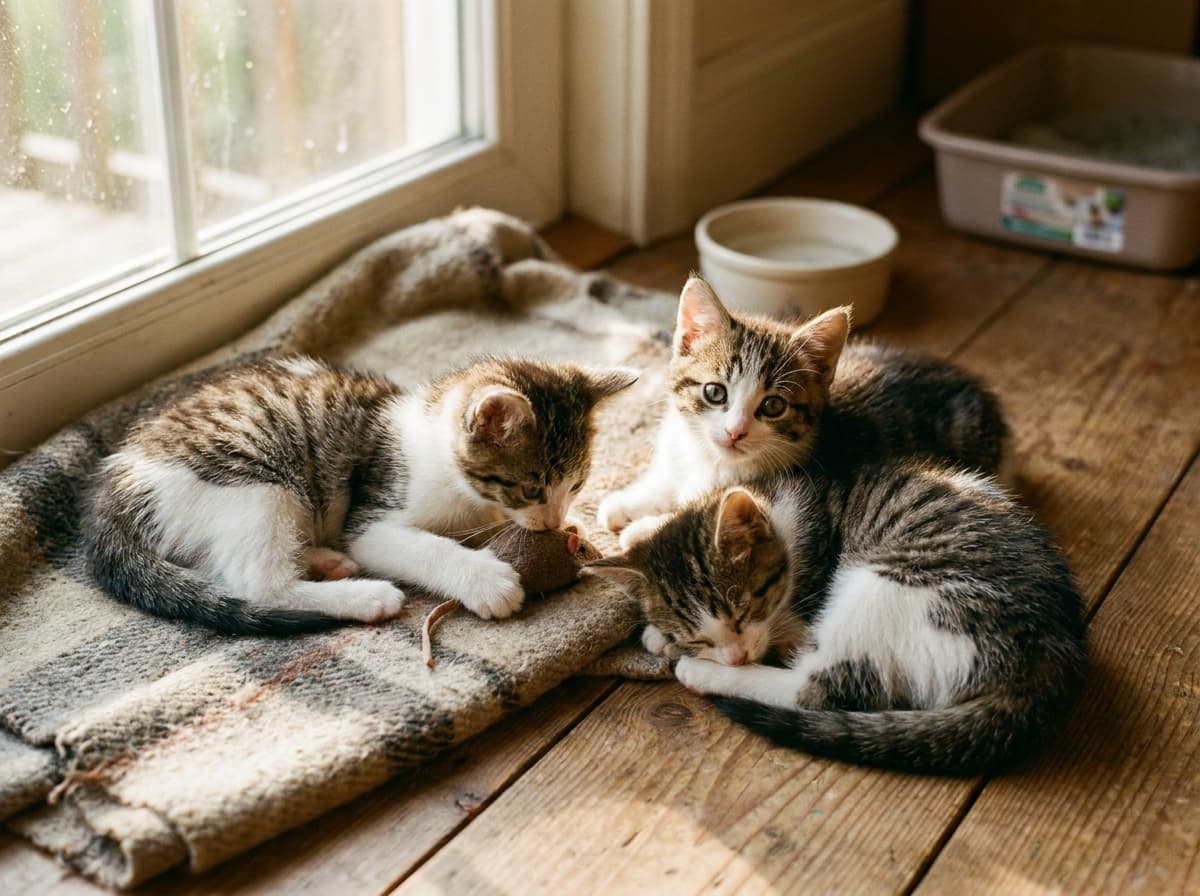
Kittens should stay with their mother until they are between eight and twelve weeks old. Even though they start nibbling on wet food at four weeks, they still need their mom for more than just a meal. This time is a critical window for building a strong immune system and learning how to interact with other cats. It is essentially cat school where they learn the basics of being a well-behaved pet.
The weaning process usually starts around week four, which is when kittens begin to explore solid food. However, they are still getting vital antibodies from their mother's milk that help them fight off common illnesses. Moving them too early is like sending a toddler to college. They might be able to eat on their own, but they aren't emotionally or physically ready for the world yet.
Imagine a first-time rescuer who finds three kittens under a porch. They look big enough to run around, so the rescuer assumes they are ready for adoption. But without those extra weeks of social time with their mother, these kittens might grow up to be biters or struggle with litter box habits. It is also a good idea to learn when do kittens eyes change color to help you estimate their exact age before making a move.
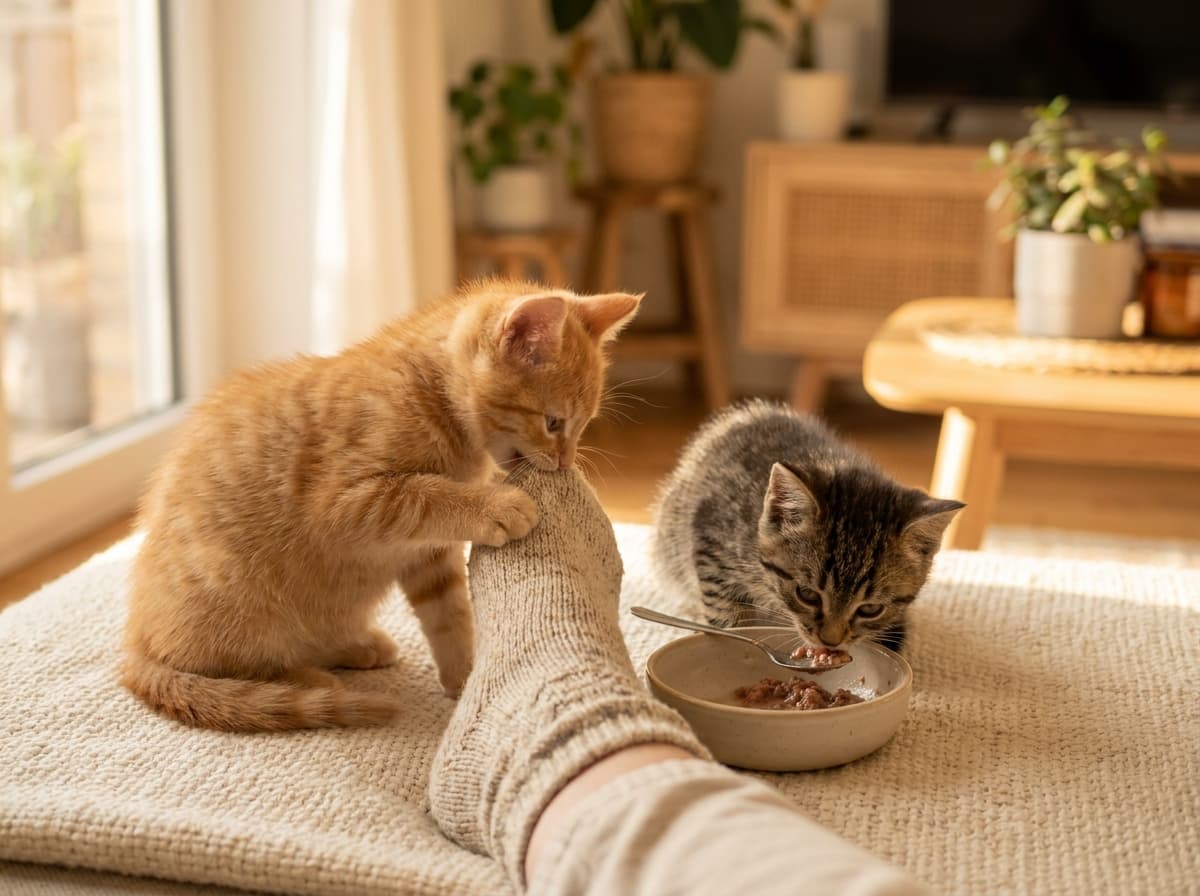
Mom cats are the absolute best caretakers for their babies. Experts at Alley Cat Allies suggest a leave them be approach for outdoor litters unless the kittens are in immediate danger or the mother is clearly gone. If you do end up bringing a pair home later, you might find that two kittens are actually easier than one because they keep each other busy and help each other adjust.
Key insights:
- Wait until the eight to twelve week mark to ensure the kitten is socially well-adjusted.
- Check for the presence of premolars to confirm the kitten is at least five weeks old.
- Never give cow or goat milk to young kittens because it causes severe diarrhea.
- Leave outdoor kittens with their mother if she is still providing care to maximize their health.
- Keep siblings together during the transition to help them feel more secure in a new home.
How to Care for a Newborn Kitten Without a Mother
Knowing how to care for a newborn kitten without a mother starts with understanding their biological limits. Since kittens under four weeks old cannot regulate their own body temperature, they rely entirely on you for heat. If a kitten feels cold to the touch, you must warm them up slowly before even thinking about a bottle.
Heat is actually more critical than food in those first few hours. A chilled kitten cannot digest milk, and feeding one in that state can be fatal. If you notice the kitten is still lethargic after warming up, you might worry why is my new kitten not eating, which is a major red flag for neonatal health.
Imagine you find a tiny, shivering 10-day-old kitten alone in a garage. Your first instinct is to grab a bowl of milk, but according to research from Alley Cat Allies, cow's milk causes dangerous diarrhea. Instead, you wrap the kitten in a warm towel and tuck a heating pad underneath, checking frequently to ensure they do not overheat. Only once the kitten is warm and wiggly do you prepare the specific kitten formula they need to survive.
Once the kitten is warm and fed, you still have one more job. In the wild, a mother cat licks her babies to trigger them to pee and poop. During your new kitten's first week, you must use a warm, moist cotton ball to mimic this grooming. This manual stimulation is a vital health requirement until they reach about four weeks of age.
Key insights:
- Warm the kitten first using a heating pad wrapped in towels.
- Use a kitten-specific milk replacer and avoid cow's milk entirely.
- Stimulate the kitten to eliminate before and after every single feeding.
- Feed every two hours around the clock if the kitten is under 10 days old.
- Check for stable body temperature before offering any food.
Keeping Them Warm: Temperature Regulation
Newborn kittens are tiny heaters that do not work yet. Experts at Alley Cat Allies note that kittens under four weeks cannot regulate their own body temperature. This makes warmth even more critical than food. If a kitten is chilled, their stomach shuts down, so feeding them can be fatal.
Imagine finding a shivering kitten in a drafty shed. The first move is not a bottle but a warm nest. Wrap a heating pad in thick towels to create a safe, steady heat source. Only once the kitten feels warm to the touch and starts acting alert is it safe to offer a meal.
Key insights:
- Warm the kitten slowly using a towel-wrapped heating pad.
- Avoid feeding a chilled kitten; they must be warm to digest food.
- Monitor for red flags like why is my new kitten not eating after they are warmed up.
Helping Them Go: Manual Stimulation
Newborn kittens cannot pee or poop on their own. They lack the reflex to eliminate and rely on their mother to trigger the process. As a surrogate parent, you must mimic her grooming to keep their systems moving. According to Alley Cat Allies, this is a vital survival task for any kitten under four weeks old.
For example, after a late-night bottle session, you take a cotton ball dipped in warm water. You gently rub the kitten’s lower belly and bottom in a circular motion. This simple act mimics a mother’s tongue and prevents toxic waste from building up. Getting this right during your new kitten's first week is essential for their comfort and growth.
Key insights:
- Stimulate the kitten before and after every single feeding.
- Use a warm, moist cotton ball or soft cloth to mimic a mother's tongue.
- Maintain this routine until the kitten reaches four weeks of age.
- Watch for health red flags like bloating or diarrhea.
How Often Do Young Kittens Need to Eat?
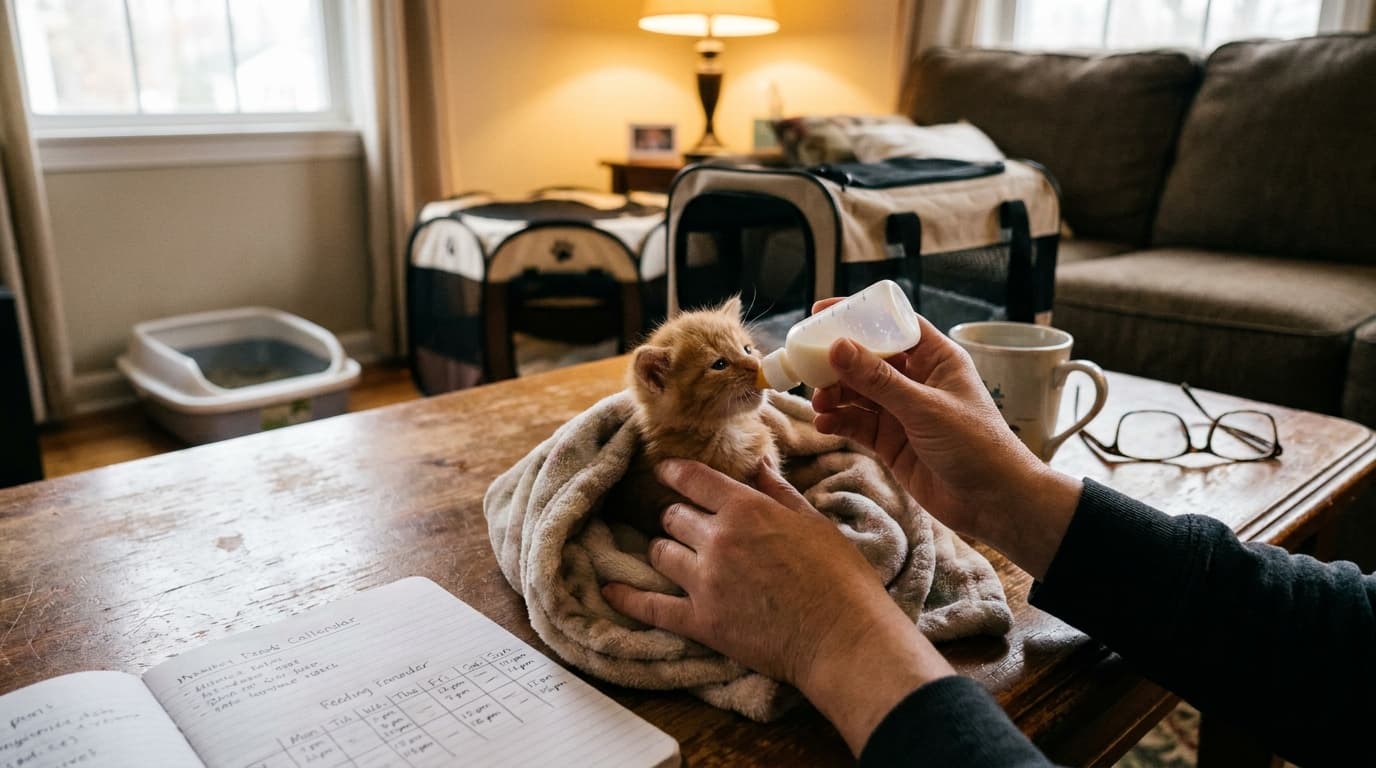
Young kittens are basically tiny growth machines that need constant fuel to survive and thrive. Because their stomachs are only about the size of a marble, they cannot hold much food at once, which means they need to eat very frequently. For the first 10 days of life, you will need to feed them every two hours, day and night, to keep their blood sugar stable and their bodies growing.
As they get a bit older and stronger, you can slowly stretch the time between meals to every three or four hours. By the time they reach four weeks, their teeth start coming in and they can finally begin the weaning process. You can start offering some best wet food for young kittens mixed with warm formula to help them transition to independent eating.
Imagine a first-time rescuer named Sarah who just found a week-old orphan. She has her phone alarm set for 1 AM, 3 AM, and 5 AM, knowing that missing even one bottle could be dangerous for such a small creature. This round-the-clock commitment during your new kitten's first week is exactly what a mother cat would provide to keep her litter healthy.
Now consider the actual mechanics of the bottle, because how you hold them is a matter of safety. It is tempting to cradle a kitten on its back like a human baby, but this is a big mistake. Care instructions from Alley Cat Allies emphasize that kittens must be fed on their stomachs to prevent milk from entering their lungs and causing pneumonia.
Think about how a kitten nurses from its mother in the wild; it stays flat on its belly with its head tilted up. When you bottle-feed, you want to recreate this natural posture as closely as possible. If you see milk bubbles coming out of the nose or hear the kitten coughing, stop the feeding immediately because they might be inhaling the liquid.
Key insights:
- Feed every 2 hours for the first 10 days, then gradually increase the time between meals as they grow.
- Keep the kitten on its stomach at all times during feeding to avoid life-threatening aspiration.
- Avoid using cow's or goat's milk because these can cause severe diarrhea and dehydration.
- Warm the kitten thoroughly before offering a bottle, as a chilled kitten cannot digest food properly.
- Watch for red flags like not eating or extreme lethargy, which require a vet visit.
The Proper Bottle-Feeding Posture
Feeding a kitten isn't like feeding a human baby. If you hold them on their backs, milk can slide into their windpipe instead of their stomach. According to Alley Cat Allies, this causes aspiration pneumonia, which is often fatal for tiny rescues.
Keep them in a natural nursing position. This means all four paws stay down on a flat surface while they tilt their heads up toward the nipple.
Imagine a rescuer named Mike who just found an orphan. He wants to cradle the kitten, but he sets it on its tummy on a warm towel instead. This lets the kitten knead the fabric, making the meal feel safe and familiar.
Key insights:
- Keep the kitten on its belly at all times during a feeding session.
- Tilt the bottle at a 45-degree angle to prevent the kitten from swallowing too much air.
- Watch for red flags like not eating or milk coming out of the nose.
When Do Kittens Start Using the Litter Box?
Kittens usually develop the instinct to use a litter box right around 4 weeks of age. This timing is not a coincidence. It is exactly when they begin weaning and their bodies become capable of eliminating on their own. Before this stage, they require manual stimulation with a warm cloth to stay healthy and clean.
Watching for those first digging motions is exciting. You will see them start to paw at the ground or sniff around the edges of their play area. If you are also tracking when your kitten's eyes change color, you will notice these developmental leaps often happen in the same busy window of growth.
Imagine a foster volunteer named Jamie who is caring for a wobbly 4-week-old. Jamie sets down a shallow tray filled with non-clumping pellets right after the kitten finishes a bottle. The kitten walks in, looks a bit confused for a second, and then starts scratching at the pellets. Within moments, the instinct to bury kicks in, and the training is practically done before it even started. This transition marks a huge step toward independence for any young rescue.
Key insights:
- Start training at 4 weeks old when their natural bathroom instincts emerge.
- Provide a shallow tray with low sides so tiny kittens do not have to climb over a high wall to get inside.
- Use non-clumping litter only, as curious kittens often try to eat the litter and clumping clay is a dangerous health risk if swallowed.
- Keep the box in a consistent, easy-to-reach spot near their bed during your new kitten's first week.
- Avoid using towels or rugs in the training area to prevent the kitten from getting confused about which soft surfaces are for potty breaks.
What Are Common Kitten Health Problems to Watch For?
Young kittens have tiny immune systems, so small symptoms can become big problems fast. The most frequent issues you will see are Upper Respiratory Infections (URIs) and flea infestations. If you notice sneezing, runny noses, or goopy eyes, your kitten likely has a cold that needs a vet's help. Also, keep a close watch on their energy levels. A healthy kitten is a whirlwind of activity, so if they seem unusually sleepy or limp, it is a major red flag.
Digestive health is another area where things go wrong quickly. While it is tempting to offer a saucer of milk, cow's milk and goat's milk cause severe diarrhea in kittens. This leads to dehydration, which is dangerous for a small animal. If your kitten is struggling to keep food down or seems disinterested in mealtime, you should investigate why is my new kitten not eating and other red flags to watch for before their condition worsens. This matters because their tiny bodies have no reserves to fall back on.
Imagine you are fostering a 5-week-old kitten named Pip. One morning, Pip does not run to his bowl. His eyes are slightly crusty, and he feels a bit cool to the touch. Instead of reaching for a bottle, you first wrap him in a warm towel because a chilled kitten cannot digest food properly. You realize those sleepy eyes are actually a URI starting to take hold. By catching the lethargy and discharge early, you get Pip the care he needs before he loses too much weight or becomes too weak to recover.
Handling fleas on a tiny kitten requires a gentle touch rather than chemicals. Since their organs are still developing, flea shampoos can be toxic to kittens under 6 weeks old. You have to be the one to physically remove the pests to keep the kitten safe and comfortable.
Key insights:
- Use a fine-toothed flea comb to remove pests manually if the kitten is under 6 weeks old.
- Avoid all chemical flea treatments and shampoos until they hit the 6-week milestone to prevent toxicity.
- Warm up a chilled kitten using body heat or a low-intensity heating pad before attempting to feed them.
- Check the eyes daily for any cloudiness or yellow discharge that suggests an infection.
- Follow a professional schedule for Kittens How Often Should Kittens Get Dewormed And Other Care Tips to prevent parasite-related weight loss.
Final Steps for Growing Kittens
Watching a kitten grow from a helpless ball of fur into a pouncing explorer is rewarding but intense. By six to eight weeks, they are usually eating solid food and using the box like pros. This is the perfect window to transition from neonatal care to a standard routine that includes their first big vet visit and safe flea prevention.
Take a foster parent named Sarah and her kitten, Oliver. He is finally off the bottle and zooming around the house. Instead of letting him roam everywhere, Sarah sets up a 'kitten-safe' zone to manage your new kittens first week out of the nesting box. At eight weeks, she schedules his first vaccinations, marking his graduation into independent kittenhood.
Key insights:
- Schedule the first veterinary exam and vaccination series between 6 and 8 weeks of age.
- Set up a 'kitten-safe' room by removing small swallowable objects and securing loose wires.
- Introduce new people and sounds slowly to help them build confidence during this social window.
- Transition them fully onto best wet food for young kittens once weaning is complete at 4 to 5 weeks.
Frequently Asked Questions
Conclusion
Raising a tiny kitten is a big job, but it all comes down to timing and patience. Whether you are helping a newborn regulate their temperature or waiting for that eight-week milestone to find them a new home, you are building the foundation for a healthy life. It is not just about the milk or the litter box; it is about giving them the safety they need to grow into confident, happy cats.
As they get bigger and start exploring, your role shifts from an around-the-clock caregiver to a watchful protector. Keeping an eye out for common kitten health problems like sniffles or fleas becomes just as important as the feeding schedule. This early stage goes by fast, but the care you put in now prevents a lot of trouble later on.
Your next move should be getting a vet visit on the calendar for those first shots around six to eight weeks. It is the best way to make sure your little fuzzball is on the right track. You have the tools to handle the messy and hungry days of kittenhood. Now, go enjoy those tiny purrs and head bumps because they really do grow up in a blink.
Send it to someone who should read it next.
About the author

James Miller
Certified Cat Behaviorist
Feline behavior consultant helping cat owners understand and strengthen their bond with their cats.
View all articles