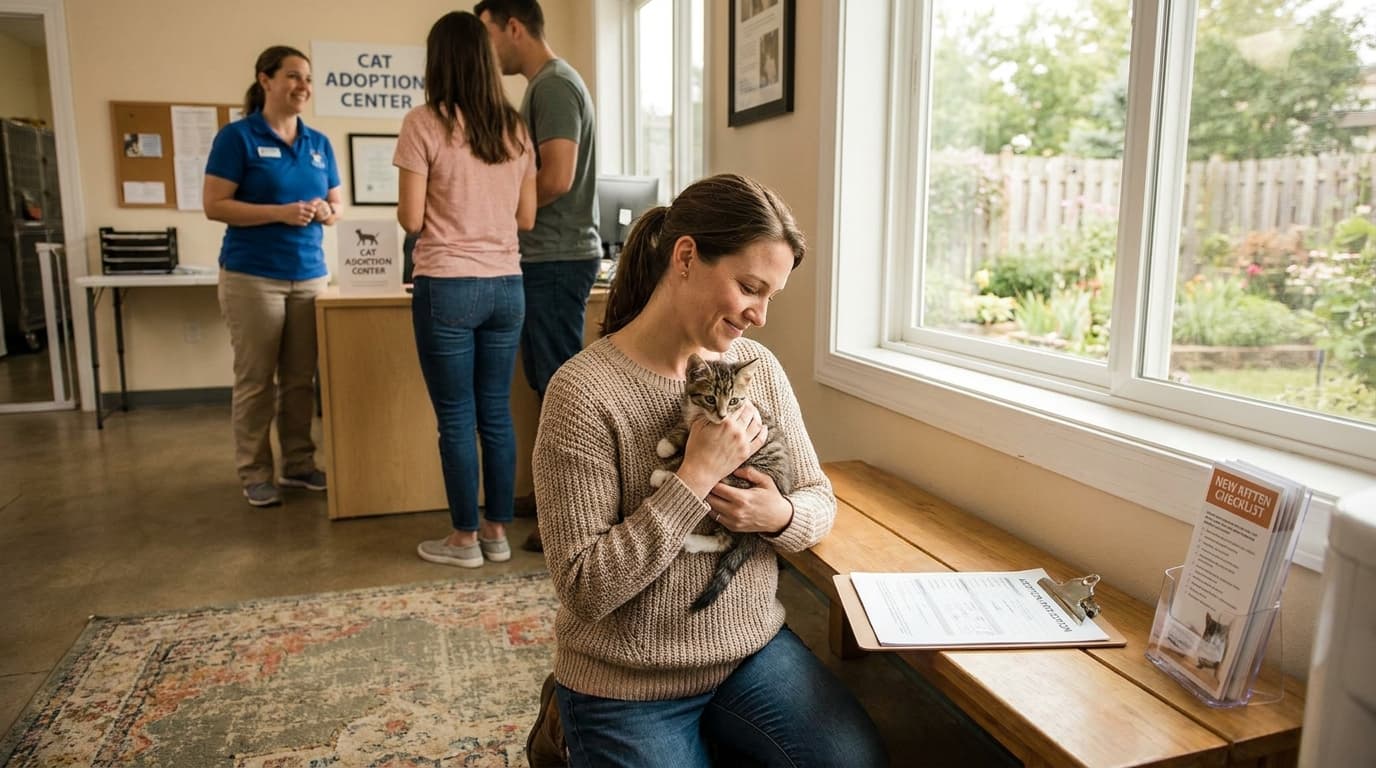
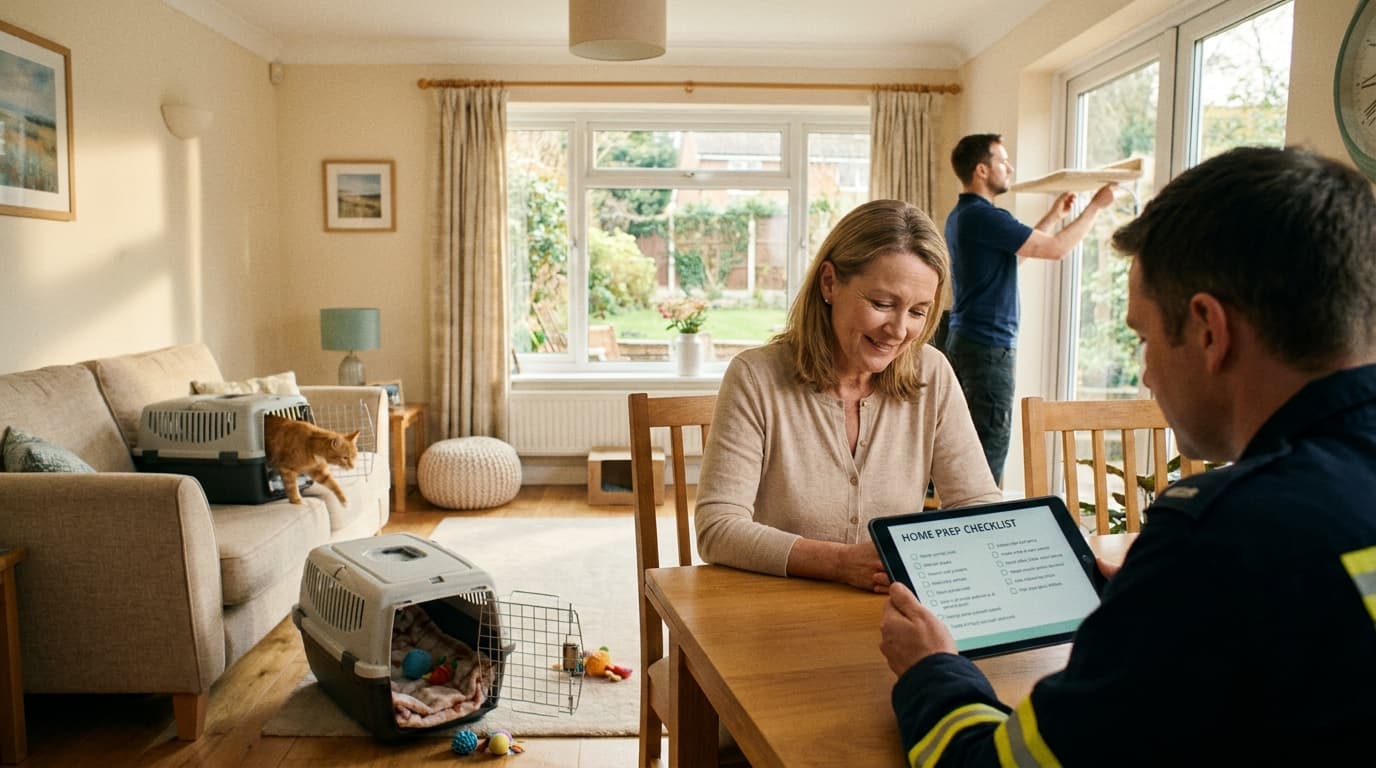
How to Help Your Newly Adopted Cat Feel Safe and Happy at Home
Knowing how to help newly adopted cat feel safe starts with a dedicated safe room and the 3-3-3 rule for decompression. This simple approach gives your new friend the space...

Dr. Emily Hart
Veterinarian, DVM
How to Help Your Newly Adopted Cat Feel Safe and Happy at Home
Knowing how to help newly adopted cat feel safe starts with a dedicated safe room and the 3-3-3 rule for decompression. This simple approach gives your new friend the space they need to stop hiding and start trusting you.
Bringing a rescue home is a big transition, and it's normal to worry if they won't eat or seem scared of other pets. Understanding their timeline helps you stay patient while they adjust.
You'll learn how to handle mealtime strikes, introduce animals safely, and recognize the signs your cat finally feels at home.
Table of Contents
- How Long Does It Take for an Adopted Cat to Adjust?
- Why Is My Adopted Cat Not Eating?
- How to Introduce Your Adopted Cat to Other Pets
- Signs an Adopted Cat Is Comfortable and Happy
- Frequently Asked Questions
- Conclusion
How Long Does It Take for an Adopted Cat to Adjust?
Most shelter cats follow a predictable timeline known as the 3-3-3 Rule. It takes about three days to stop feeling overwhelmed, three weeks to learn your daily routine, and three months to realize they are finally home for good. While some outgoing cats might strut around on day one, many need this full window to let their true personality shine through. This framework is a helpful reminder that patience is the most important tool you have during the transition.
Imagine bringing home a shy rescue named Barnaby. Instead of exploring his new cat tree, he bolts under the guest bed and refuses to budge for 72 hours, only creeping out at night to eat. This isn't a sign that he dislikes you; he is simply decompressing from the loud, stressful environment of the shelter. According to the Humane Society of Sonoma County, this initial phase is just the first step in a much longer journey toward feeling secure.
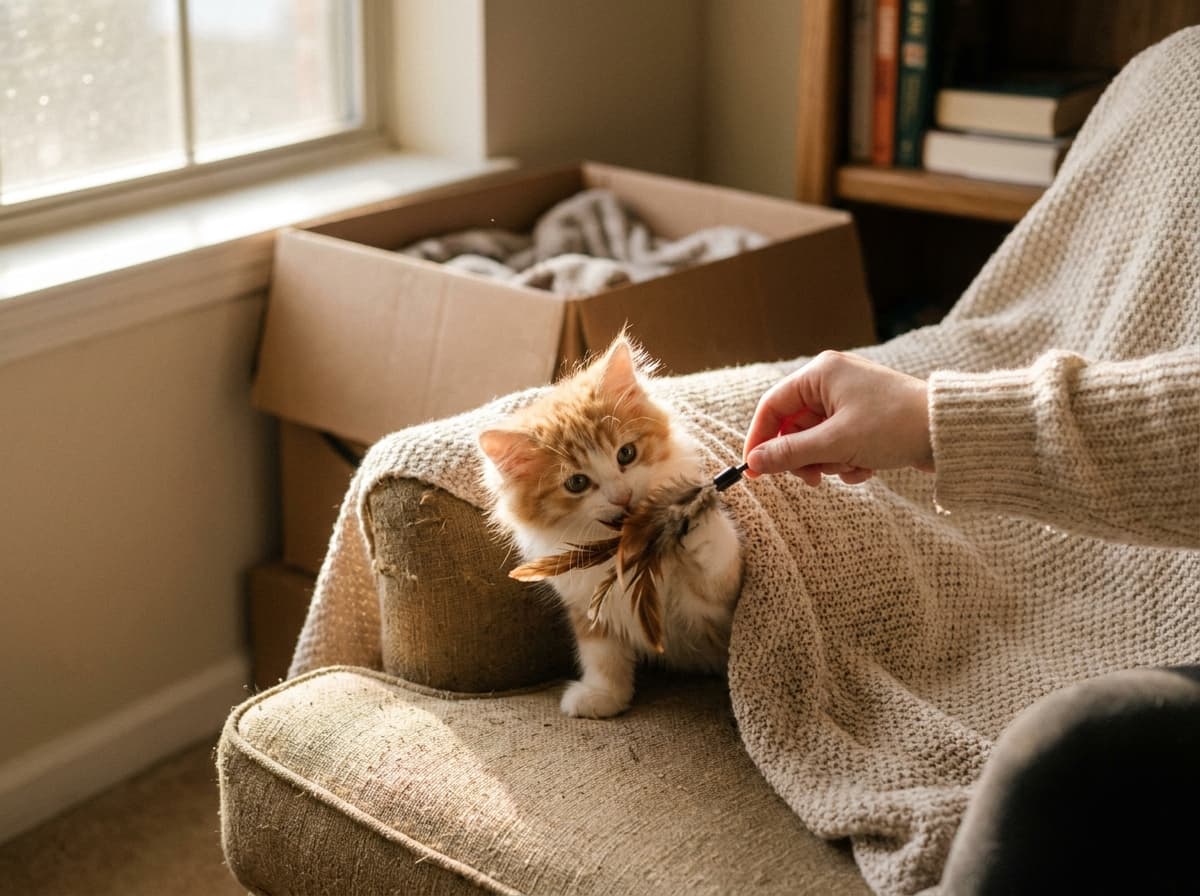
During the first 72 hours, your goal is to provide a low-stress environment with minimal physical contact. It is tempting to pull a hiding cat out for a snuggle to comfort them, but this often backfires and increases their anxiety. Instead, leave the carrier door open in a quiet room and let them explore on their own terms. Providing both high and low hiding spots, like a cardboard box or a tall shelf, gives them a sense of control over their environment.
As the weeks pass, you will notice subtle shifts in their body language as they move from survival mode to curiosity. A cat that once stayed hidden might start walking through the living room with a vertical tail or offering a slow blink from across the room. If you are also managing a multi-pet household, you can find more tips on how to introduce a new kitten to a resident cat without the drama to keep the peace while everyone adjusts.
Key insights:
- Provide 'high and low' hiding spots so the cat feels they have a safe escape route.
- Wait for the cat to initiate physical contact rather than forcing interactions during the first few days.
- Maintain a consistent feeding and play schedule to help them learn your routine quickly.
- Use scent-based communication, like rubbing a towel on their cheeks, to help them claim the new space.
- Watch for stress signs like a lack of appetite or grooming, which are common in the first 72 hours.
The First 72 Hours: The Decompression Phase
The first three days are a total sensory overload for a new pet. Your cat is moving from a loud shelter into a home full of strange smells and sounds. During this phase, your new friend is just trying to figure out if they are safe or in danger.
Imagine a first-time owner who expects their cat to cuddle on the sofa the very first night. Instead, the cat stays tucked behind the washing machine for two days. By letting them stay hidden, you are actually teaching them that your home is a place that respects their boundaries and personal space.
It is normal to see signs of stress like a decreased appetite or hiding. If they have not eaten for 48 hours, try mixing in some onion-free baby food to encourage them. Also, keep an eye out for signs they are sick if they seem unusually lethargic beyond just being shy.
Key insights:
- Leave the carrier door open in a quiet room so the cat has a familiar home base to retreat to.
- Avoid direct eye contact or looming over the cat, as these can be interpreted as aggressive gestures.
- Provide vertical space like a cat tree or a cleared shelf so they can observe the room from a safe height.
- Wait for the cat to initiate physical contact rather than forcing interactions during these first few days.
Why Is My Adopted Cat Not Eating?
It is very common for a new cat to snub their food bowl during the first few days. Moving from a shelter to a home is a massive shock to their system and the first 72 hours are strictly for decompression. During this time, your cat is in survival mode. Research shows that stress signs in new cats often include a lack of grooming and a decreased appetite. If they feel unsafe, their biological drive to hide will almost always override their hunger.
Imagine you just brought home a beautiful rescue cat named Luna. You bought the expensive, high-quality kibble recommended by the vet, but she won't even look at it. The problem might not be the flavor but the environment. If her bowl is in the middle of a bright kitchen, Luna might feel too exposed to eat. Cats are vulnerable when they are eating, so a nervous cat will often choose a hiding spot over a full stomach.
Another factor is the physical stress of a diet change. If you suddenly switch from the shelter food to a new brand, it can cause an upset stomach that makes your cat even more reluctant to eat. To avoid this, follow a 7-day schedule. Start by mixing 25% of the new food with 75% of the old food for the first two days. Gradually increase the ratio until you reach 100% of the new food by the end of the first week. This slow transition helps their digestive system adjust while they are already dealing with environmental stress.
If your cat goes more than 48 hours without a single bite, it becomes a medical concern. You might need to jumpstart their appetite with something stinky and high-value, like tuna or onion-free baby food. If they still refuse to eat or seem unusually lethargic, you should check for signs they are sick to ensure there is not an underlying health issue. Providing a quiet space and tempting food is the best way to help them settle in.
Key insights:
- Offer stinky high-value foods like tuna or onion-free baby food to encourage a stressed cat to eat.
- Move the food bowl to a quiet and low-traffic corner where the cat feels protected while they eat.
- Follow a 7-day transition by mixing 25% new food with 75% old food for the first two days to prevent stomach upset.
- Contact a veterinarian if your cat refuses all food for more than 48 hours to avoid liver complications.
- Use shallow plates instead of deep bowls to prevent whisker fatigue and make the food more accessible.
Managing the 7-Day Food Transition
Switching your cat's food too fast is a recipe for a grumpy kitty and a messy litter box. When you bring a new cat home, they are already overwhelmed by the massive change in scenery. Adding a sudden diet swap on top of that can cause painful stomach upset, making it even harder for them to feel safe. Take it slow.
Imagine you just brought home a young male cat who is full of energy but refuses to touch his new bowl of expensive kibble. He might be missing the familiar smell of the shelter food or acting like a wild hunter who is wary of new resources. Instead of forcing the change, you can use a slow transition to help him adjust. Research from Best Friends Animal Society shows that a proper food transition should take exactly one week to complete safely.
If you notice your cat hiding or refusing to eat even during a slow transition, keep an eye out for other signs they are sick like lethargy. These behaviors are often just stress, but it is better to be safe while they settle in. Watching for regular eating habits is one of the first steps to seeing your cat relax.
Key insights:
- Mix 25% new food with 75% old food for the first two days.
- Increase to a 50/50 split on days three and four.
- Move to 75% new food on days five and six.
- Serve 100% new food by day seven if their digestion looks normal.
- Use shallow plates to help nervous cats eat without their whiskers touching the sides.
How to Introduce Your Adopted Cat to Other Pets
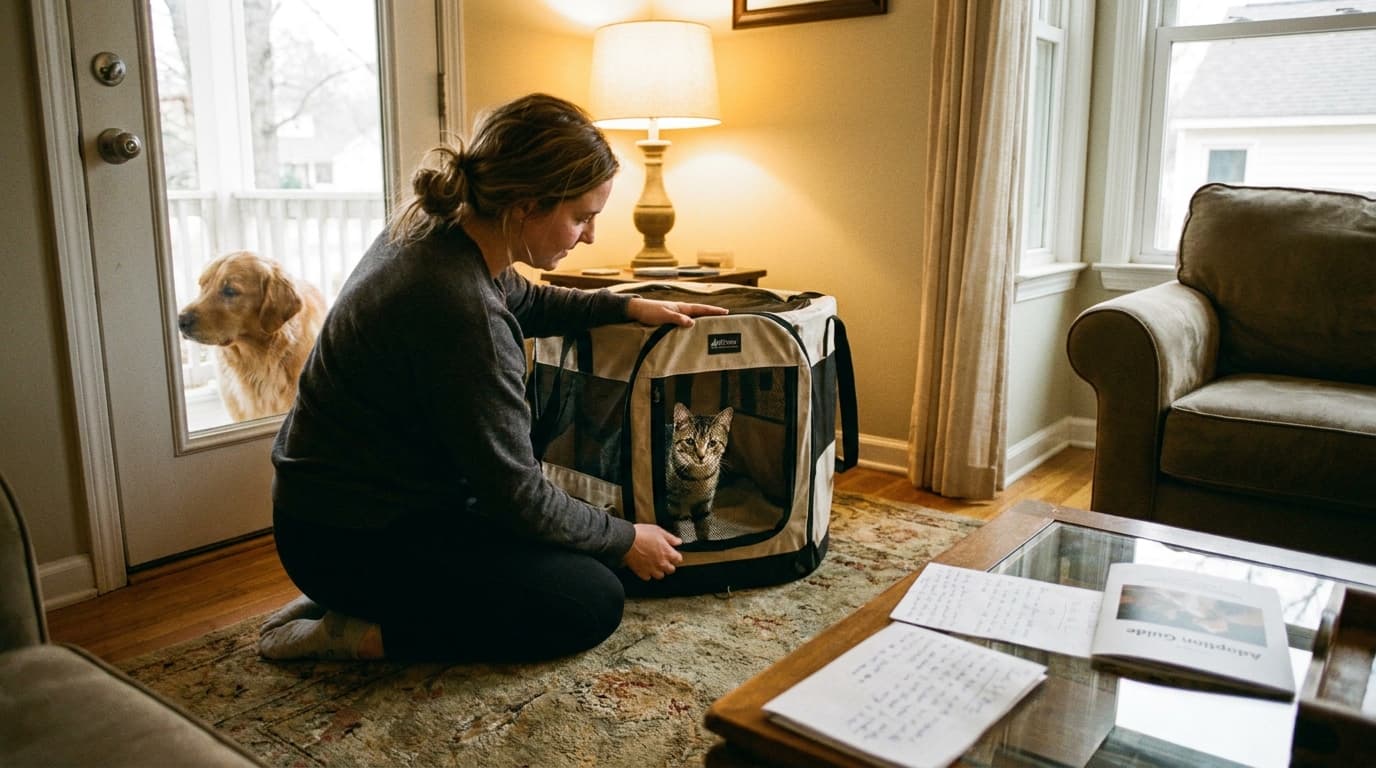
Bringing a new cat into a home with existing pets is a delicate dance that requires patience. Most owners want their animals to be best friends immediately, but rushing the process usually leads to hissing or worse. The secret is to let their noses do the work before their eyes ever meet. Since scent is a cat's primary way of gathering information, swapping smells helps everyone feel like they already know each other.
Imagine you just brought home a shy rescue named Luna. Instead of carrying her into the living room where your resident dog is waiting, you keep her in a separate safe room for a few days. You take a soft towel, gently rub it against Luna’s cheeks to collect her pheromones, and then place that towel right next to your dog’s bed. This simple move allows your dog to get used to her presence without any high-stakes confrontation.
When dealing with dogs, you have to account for their natural prey drive, which can be terrifying for a new cat. Even a friendly dog might try to chase a running cat, causing a massive setback in trust. A safe protocol involves using physical barriers like baby gates and keeping your dog on a short leash during the first few face-to-face meetings. This setup ensures the cat has the freedom to observe from a distance without feeling cornered.
For example, picture your dog sitting calmly on a leash while your new cat watches him from the safety of a high bookshelf. By keeping the dog grounded and rewarding him with treats for ignoring the cat, you prevent those intense staring matches that often lead to trouble. This teaches the dog that the cat is a permanent, calm part of the family rather than something to be chased.
Keep in mind that young male cats, especially those between 3 and 24 months old, often have a strong biological desire for a feline buddy. If you are bringing a younger cat into the mix, they might be more eager to play, but you still need to follow the slow introduction steps. If you are struggling with the transition, you might find extra help in our guide on how to introduce a new kitten to a resident cat without the drama.
Key insights:
- Prioritize scent-based communication by swapping bedding or towels between pets before they ever see each other.
- Use baby gates to create a safe visual barrier that allows the cat to investigate the house without being chased.
- Keep dogs on a short leash and collar during initial meetings to maintain total control over their movements.
- Reward calm behavior in both animals with high-value treats to create positive associations with the other pet's presence.
- Provide high and low hiding spots so the cat can choose their level of exposure and escape to a shelf if they feel overwhelmed.
Safe Dog-to-Cat Protocol
Dogs often view a fast-moving feline as something to hunt, which can instantly shatter a new cat's confidence. This high prey drive is why controlled, tethered meetings are essential during the first few weeks. You want to teach your dog that the cat is a boring member of the pack rather than a toy to be chased.
Imagine a high-energy dog desperate to investigate the new arrival. By keeping the dog on a short leash while the cat watches from a high shelf, you create a safe observation deck for the cat to judge the situation. If the dog sits quietly without fixating on the feline, reward them with a high-value treat to reinforce that calm behavior is the goal.
Sometimes the transition is rocky because your indoor cat still thinks its a wild hunter and reacts defensively to the dog's presence. Watch for stress signs in new cats like hiding or a lack of grooming, as these suggest the introductions are moving too fast for their comfort.
Key insights:
- Reward your dog for looking at you instead of staring at the cat to break their focus and build positive associations.
- Interrupt staring matches immediately by blocking the dog's line of sight or using a gentle redirection.
- Keep the dog on a short leash and collar during every interaction until they can completely ignore the cat's movements.
- Provide plenty of vertical space like cat trees or shelves so the cat can observe the dog from a safe distance.
Signs an Adopted Cat Is Comfortable and Happy
You will know your cat is settling in when their world stops being the underside of the sofa and starts being the whole house. While the 3-3-3 Rule suggests it takes about three months to feel truly at home, every cat moves at their own pace. A happy cat is one that stops reacting to every floorboard creak. They begin to claim their territory by rubbing their cheeks on your furniture to spread their scent.
Imagine a rescue cat named Oliver who spent his first week huddled behind a washing machine. One morning, you see him trot into the kitchen with his tail held high, the tip slightly curved like a question mark. He does not bolt when you drop a spoon. Instead, he stops to give his shoulder a quick lick. This shift from survival mode to casual curiosity is the clearest sign that he finally trusts his environment and feels safe enough to be himself.
It is easy to worry about health during this transition, so knowing how to tell if your cat has a fever or is just showing signs of stress can save you a lot of anxiety. When a cat feels safe, they stop hiding and start engaging in vulnerable behaviors, like deep sleeping in the middle of the rug. If they are still acting a bit wild, you might want to explore why your indoor cat acts like a zoo animal to see if they just need more enrichment now that they are comfortable.
Key insights:
- Watch for the question mark tail, which signals a friendly and approachable mood.
- Look for slow blinking, which is essentially a cat kiss showing they do not view you as a threat.
- Check for normal grooming habits, as stressed cats often neglect their fur.
- Notice if they sleep in open areas or belly up, showing they feel secure enough to expose their most vulnerable parts.
Frequently Asked Questions
Conclusion
Helping a newly adopted cat feel safe is less about grand gestures and more about giving them the time and space they need to breathe. Whether you are following the 3-3-3 rule to help an adopted cat adjust or using scent swapping to introduce them to other pets, the goal is always trust. It is a slow process of quiet observation that eventually leads to those first happy tail wiggles.
You will know the hard work is paying off when you see those small signs an adopted cat is comfortable, like a slow blink from across the room or a nap right in the middle of the rug. Every cat is an individual, so do not worry if your new friend takes a bit longer than three months to fully blossom.
Your next move is simply to stay consistent with their feeding schedule and keep the home environment calm. Before you know it, that shy hider will be the one confidently running the household and waking you up for breakfast.

Send it to someone who should read it next.
About the author

Dr. Emily Hart
Veterinarian, DVM
Small animal veterinarian with 12 years of clinical experience specializing in feline health and preventive care.
View all articles